
Ola Electric Enters Home To Grid Energy Storage Market
India’s largest electric vehicle maker has unveiled a sweeping new energy storage lineup spanning homes, businesses and utility scale grids, betting that its battery technology can matter far beyond the two wheelers that built the company.
Highlights:
- Ola Electric unveiled its expanded Shakti energy storage lineup on India’s Independence Day
- Shakti Gen2 residential systems start at Rs 99,999 for the 4.6 kWh model
- The larger 9.2 kWh residential model is priced at Rs 1,74,999
- Shakti Rack extends the platform into commercial and infrastructure applications
- Mahashakti targets industrial and utility scale storage at up to 6.26 MWh per container
- Deliveries for residential units are scheduled to begin in November 2026
Ola Electric has spent the better part of a decade building its identity around electric two-wheelers, so its latest announcement marks a genuinely significant widening of ambition. On India’s 80th Independence Day, the company unveiled a sweeping expansion of its energy storage portfolio, branded Ola Shakti, designed to move the company’s core battery technology well beyond the scooters and motorcycles that made it a household name, into homes, businesses and eventually national-scale electricity grids.
The announcement builds on ground the company first broke in October 2025, when it launched the original Ola Shakti as India’s first residential battery energy storage system, a product that immediately signalled the company’s intent to position its battery expertise as a standalone business rather than simply a component supporting its vehicle lineup. What arrived this week is a considerably more ambitious version of that same idea, a single, vertically integrated architecture stretched deliberately across three distinct markets: home energy through Shakti Gen2, commercial and infrastructure energy through Shakti Rack, and industrial and utility-scale energy through a new top-tier product called Mahashakti.
Speaking on the launch, Bhavish Aggarwal, Chairman and Managing Director of Ola Electric, framed the announcement as a natural extension of capability the company had already built rather than an entirely new venture. He noted that the use cases of the company’s battery and cell technology will manifest beyond electric mobility, adding that Ola Shakti extends that innovation across every scale, from the home to the grid, helping India store and use clean energy more intelligently. That framing matters strategically, because it positions the company’s underlying cell manufacturing capability, built originally to serve its vehicle business, as a genuinely reusable platform asset rather than a sunk cost tied to a single product category.
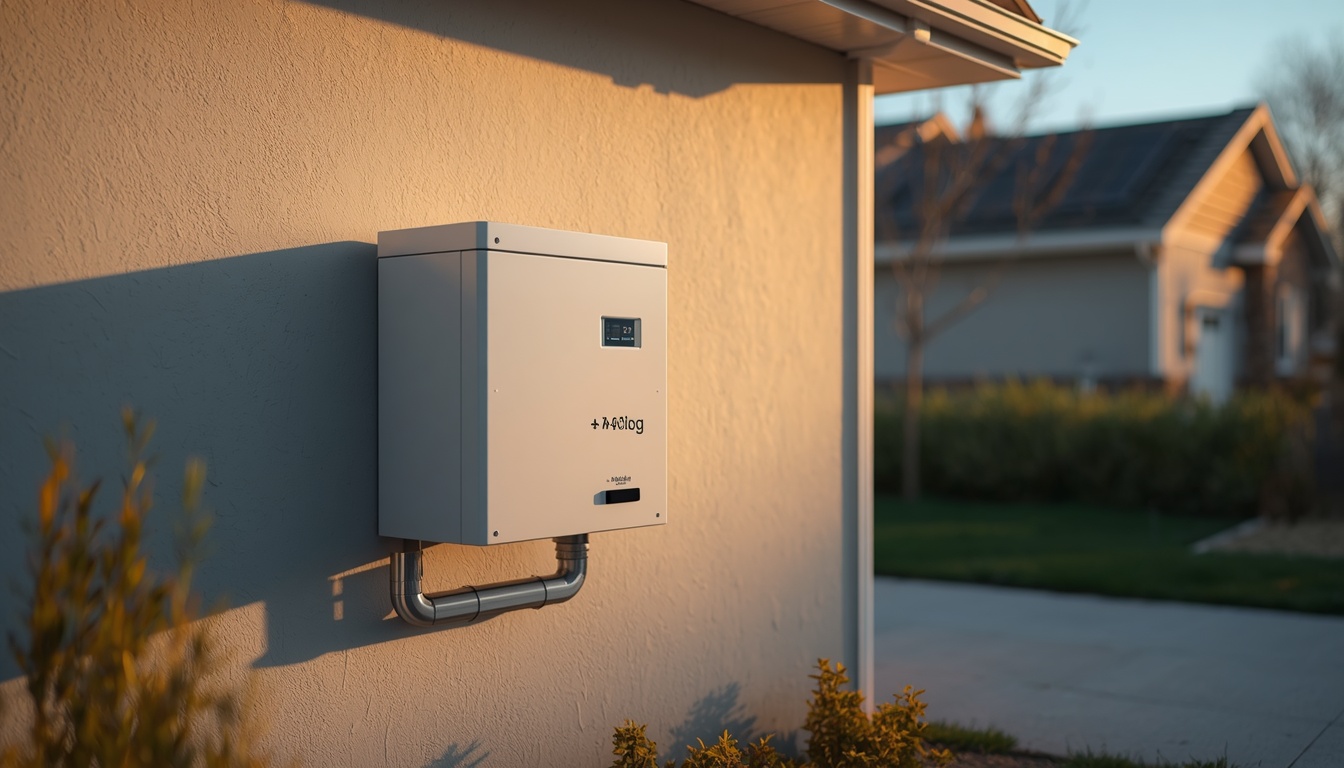
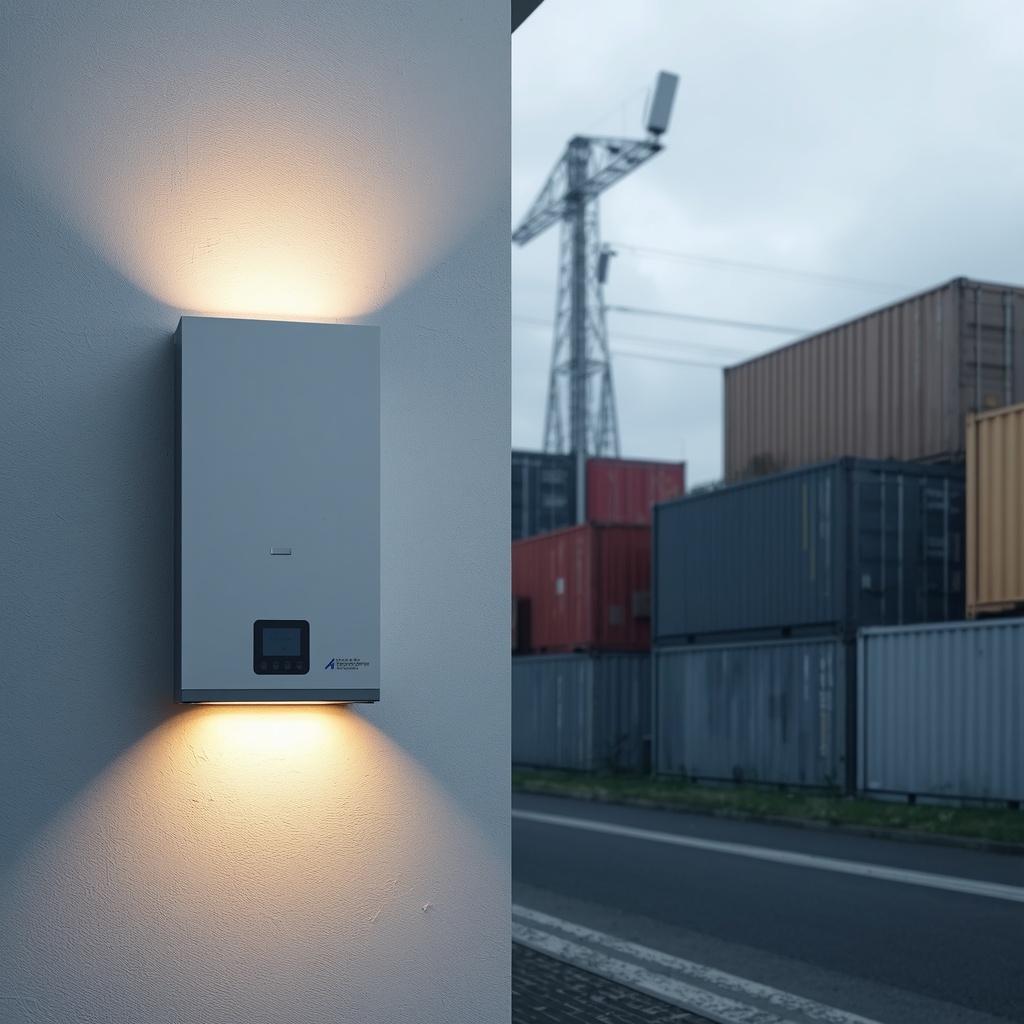
At the residential end of the new lineup sits Shakti Gen2, positioned as an evolution of the original product, combining battery backup, intelligent energy management and solar storage integration into a single unit. The system comes in two configurations: a 4.6 kWh model carrying an introductory price of Rs 99,999, and a larger 9.2 kWh model priced at Rs 1,74,999, with both currently available for a refundable reservation of Rs 999 ahead of deliveries, which the company says will begin in November 2026. The underlying original Ola Shakti product, still relevant context for understanding the technology base here, was built on the company’s 4680 Bharat Cell platform and manufactured at the Ola Gigafactory, offering what the company describes as automotive-grade safety, up to 98 percent efficiency, an effectively instantaneous changeover time during power outages, and IP67-rated weatherproofing designed to withstand monsoon conditions—a meaningfully different value proposition from the lead-acid inverters and diesel generators that remain the default backup power solution in much of the country.
Moving up the scale, Shakti AC Rack and Shakti DC Rack extend the same underlying storage architecture into commercial and business applications. The AC Rack integrates battery storage and inverter functionality into a single system designed for straightforward commercial deployment, while the DC Rack is built to interface directly with compatible DC infrastructure, a configuration typically preferred by facilities and infrastructure operators who already run DC-coupled systems and want to avoid unnecessary conversion losses. At the top of the new lineup, Mahashakti represents the company’s most ambitious push yet, targeting industrial and utility-scale storage needs that stretch far beyond anything the company has previously attempted. The Mahashakti Rack module carries a battery capacity of 257 kWh with power output of up to 125 kW and operates at a DC bus voltage of 1331.2 volts, and four of these racks combined with a power conversion system form a single Mahashakti container, delivering a claimed 6.26 MWh of battery capacity and 2.5 MW of power. According to the company, this architecture is designed to scale from a single standalone container all the way up to gigawatt-hour scale energy storage plants, positioning Mahashakti for applications including assembly lines, grid infrastructure and, notably, data centres—a category of customer whose power demands have grown enormously alongside the broader AI infrastructure buildout.
“The use cases of our world-class battery and cell technology will manifest beyond electric mobility. Ola Shakti extends that innovation across every scale, from the home to the grid, helping India store and use clean energy more intelligently while establishing a unified, vertically integrated energy platform for the nation.”
All three product tiers share a common underlying foundation: indigenous lithium iron phosphate, or LFP, battery chemistry, manufactured through what the company describes as its vertically integrated cell-to-system capabilities, meaning Ola Electric controls the process from raw battery cell production through to the finished, deployable energy storage unit, rather than assembling systems around cells sourced from external suppliers. That vertical integration has been a consistent strategic thread running through the company’s broader technology roadmap, including its earlier development of an in-house 46100 cylindrical LFP battery cell format and a ferrite-based motor designed specifically to avoid dependence on rare-earth magnets, materials whose supply chains have become an increasingly sensitive geopolitical concern for manufacturers worldwide.
It is worth being direct about what remains genuinely unclear at this stage, rather than treating the announcement as a fully realised product line ready for immediate evaluation. The company has confirmed detailed technical specifications and reservation pricing only for the residential Shakti Gen2 line, while pricing, detailed performance data, formal warranty terms and partnership arrangements for the commercial Shakti Rack and industrial Mahashakti products remain unannounced, with the company stating these details will follow in due course. That gap matters for how seriously the commercial and utility-scale ambitions should be weighed right now; a residential product with confirmed pricing and a November delivery date is a genuinely concrete commitment, while a gigawatt-hour scale industrial storage platform without published pricing or a confirmed first customer remains, for the moment, closer to a strategic announcement of intent than a fully launched product.
Viewed in the context of Ola Electric’s broader business, this expansion arrives at a moment when the company’s core electric vehicle business has faced its own share of scrutiny, from production ramp challenges to intensifying competition in the two-wheeler segment, making the strategic logic behind diversifying its battery technology into an entirely separate revenue stream reasonably easy to understand. Energy storage, particularly at grid and industrial scale, represents a genuinely large and growing market in India, driven by the same renewable energy expansion and electricity demand growth that has already pulled other Indian industrial companies deeper into battery and grid infrastructure investment this year. Whether Ola Electric can translate its automotive battery expertise into a credible, standalone energy storage business will depend far less on this week’s unveiling and considerably more on execution over the next several quarters—delivering the residential units on schedule come November, and converting the still unpriced commercial and industrial tiers from announced ambition into signed customers and shipped hardware.