
Inside Magic Bus India Foundation’s Rural Livelihood Programme Turning Village Women Into Entrepreneurs
Magic Bus India Foundation is teaching rural women across seven states to turn spoiled farm produce and spare tailoring skills into real businesses, seed funding and bookkeeping lessons at a time, proving dignity can be built one small enterprise at a time.
Highlights:
- Magic Bus India Foundation’s Rural Livelihood Programme now operates across seven states, reaching nearly 90 percent women
- The programme targets women aged 25 to 45 from BPL families surviving on roughly Rs 5000 a month
- About 85 percent of businesses launched through the programme survive their first year of operation
- Only 20 percent of those businesses go on to show real growth beyond a basic fractional income
- The organisation aims to scale from 2000 women a year to as many as 30000 within three years
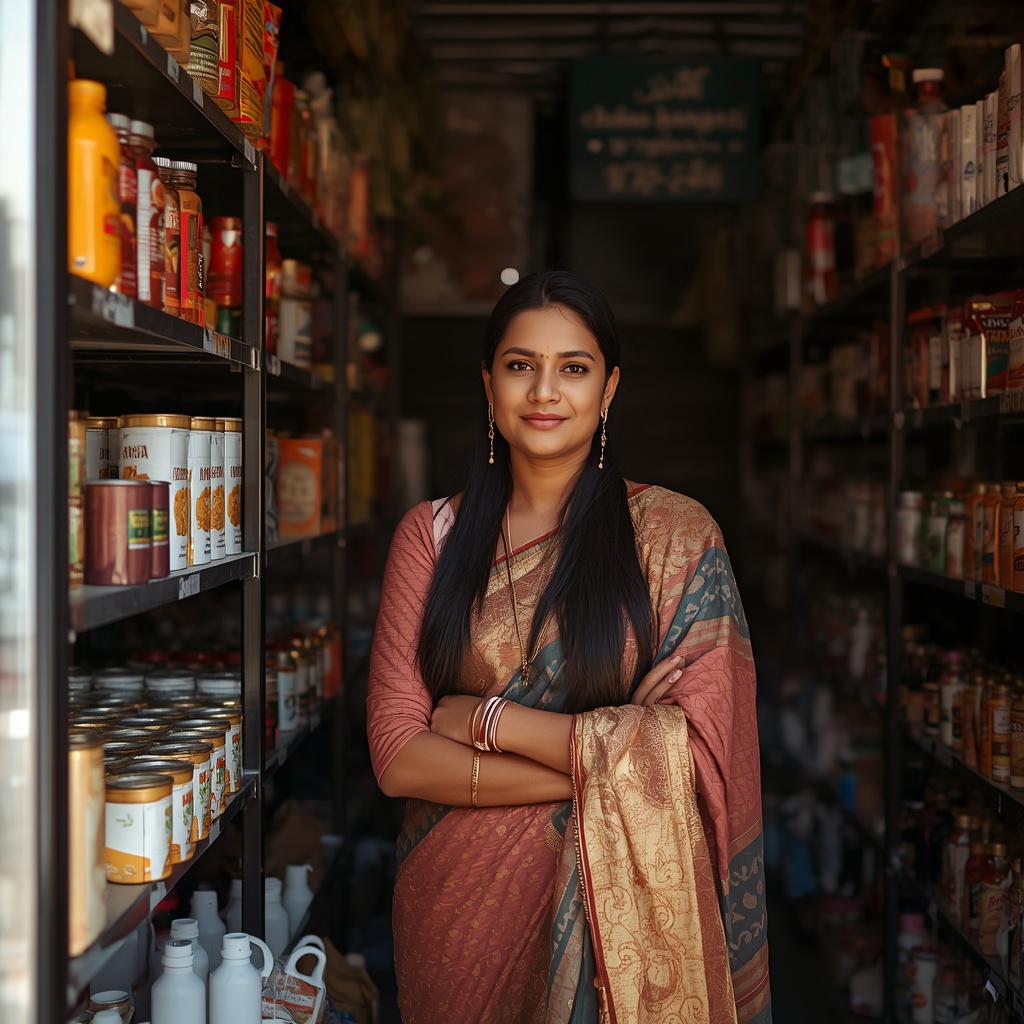
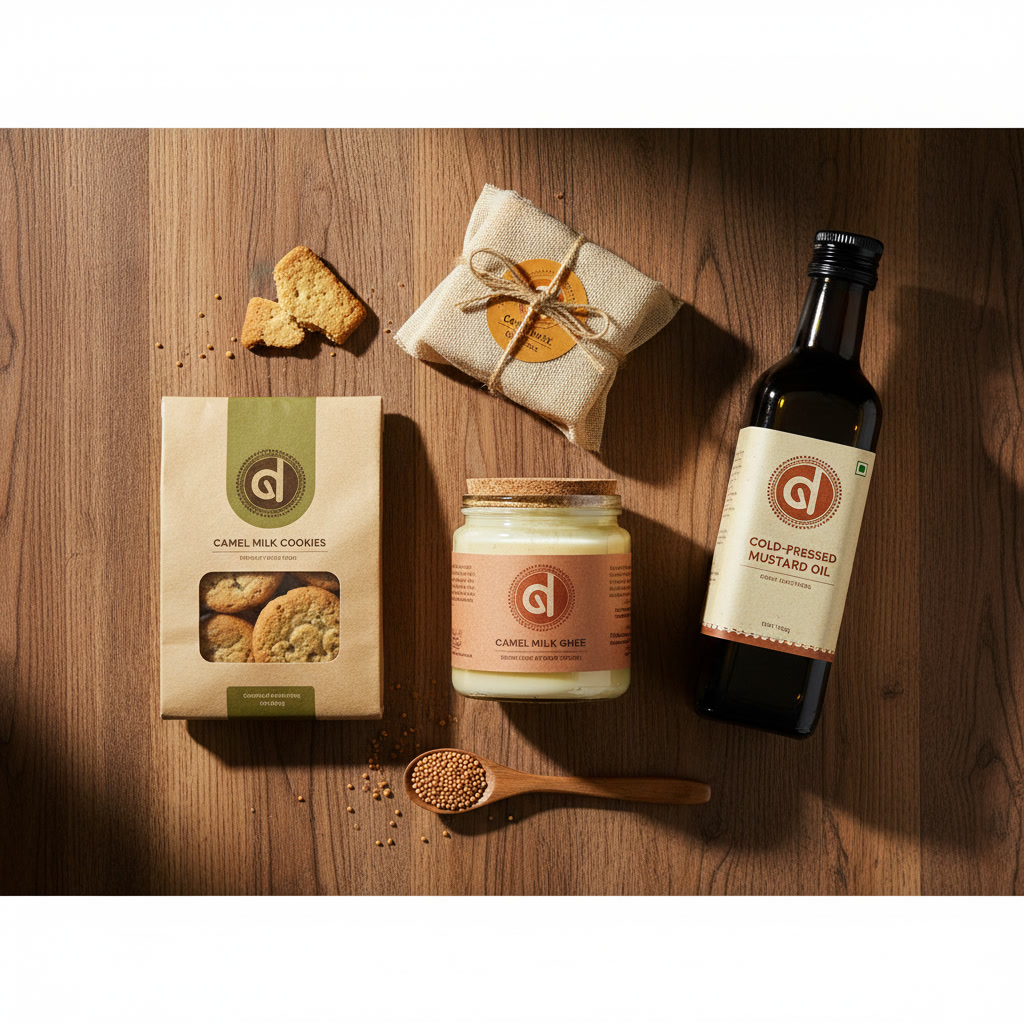
In a small workshop on the outskirts of Pune, a woman named Kajal Hadawale packs another batch of instant poha into branded pouches. Not long ago, the surplus produce from her family’s farm, peanuts and vegetables that never made it to market in time, simply rotted. A dehydrator machine and a modest push from a nonprofit changed that surplus from waste into a business.
That single, unremarkable seeming machine is a small piece of something considerably larger, Magic Bus India Foundation’s Rural Livelihood Programme, which is quietly teaching women across seven Indian states how to build durable, income generating enterprises out of whatever raw material their own villages already offer.
Magic Bus itself is not a new organisation. Founded 27 years ago by Matthew Spacie, gender equity has sat at the centre of its mission from the start, supporting girls and women toward becoming self standing, contributing family members living more dignified lives. The foundation now runs two broad programme verticals, an Adolescent vertical working through schools and community systems, and Livelihoods, which splits further into urban skilling and job transition on one side, and rural livelihoods on the other.
“Every programme launched by the Foundation has a strong gender lens built in,” says Arun Nalavadi, Chief of Programmes. Roughly 70 percent of India lives outside its cities, he notes, and the Rural Livelihood Programme exists specifically to bring that same scale of impact to the population Magic Bus’s original urban work was never designed to reach.
The demographic the rural programme actually serves is deliberately, specifically different from its urban counterpart. Where the urban programme maintains a 50 percent gender balance, the rural cohort is nearly 90 percent women, typically aged 25 to 45, older than Magic Bus’s usual urban beneficiaries, and, as Nalavadi puts it, women who have generally completed the first phase of motherhood.
The economic reality these women live inside is stark, and Magic Bus is unusually precise about the actual numbers behind it. Most households depend on several small, unreliable income streams rather than one steady wage, MGNREGA or similar government schemes contributing roughly Rs 2,000 to 2,500 a month, other social benefits adding perhaps another Rs 2,000 where available, and odd work by the household’s primary earner contributing a further Rs 1,000 to 1,500. Add it together, and a family is often surviving on somewhere around Rs 5,000 to 5,500 a month, not enough, by Magic Bus’s own framing, for a dignified life even by rural standards. The programme’s stated ambition is to help build an initial fractional income of roughly Rs 3,500 to 4,000, a figure the organisation expects to double or triple over subsequent years as a business matures.
The mechanism behind that ambition is what Magic Bus calls a saturation model, identifying economically vulnerable blocks within a district and working intensively inside them, rather than spreading thin across a wider area. Every participant is screened through a tool weighing social and economic marginalisation, the programme works exclusively with families below the poverty line, alongside a separate assessment of entrepreneurial aptitude, before door to door outreach and village meetings, conducted in partnership with local gram panchayats, bring women into the free programme.
“Our programme teaches several things,” Nalavadi explains. “First, self reliance, building tenacity and confidence, including exposure to 21st century skills. Second, business skills, understanding demand, supply, cash flow, profit, bookkeeping, customer loyalty, selling, quality, and building a pipeline of repeat customers, as well as how to access finance. Third, managing the psycho emotional side of the journey.”
That third pillar, the emotional weight of the journey itself, is not an afterthought in how the programme is actually run. After classroom and hands on training, women build formal business plans with staff guidance, and those choosing entrepreneurship receive one time seed funding for equipment or initial inventory, while those seeking wage employment instead get interview preparation and placement support.
“The third and most difficult cycle is making sure the business survives, what we call hand holding,” Nalavadi says. “We build a network of successful peer mentors, plus our own staff, who guide these women through the ups and downs. As the business grows, they also need working capital, so we help them understand how to access capital, build supply chain efficiency, and manage risk, because one unmanaged risk, say in a poultry business, can wipe everything out.”
The numbers behind that hand holding are worth sitting with honestly rather than smoothing over. After a year, roughly 85 percent of businesses launched through the programme survive, a genuinely strong figure for early stage entrepreneurship anywhere in the world. But only about 20 percent go on to show real growth beyond that initial fractional income, and of the women whose businesses do survive their first year, only about 50 percent return interested in actually scaling further. Around 30 percent of entrepreneurs eventually grow beyond a one person nano enterprise, creating work for others in their communities, a genuinely meaningful multiplier effect, even if it applies to a minority of participants rather than the majority.
Magic Bus tailors its approach to local realities rather than applying one template everywhere. Philip Mathew KM, Senior Director of Livelihoods, points to Oragadam in Tamil Nadu, where the organisation initially trained 50 women in tailoring, only to discover the local market simply could not sustain that many tailoring businesses at once. The women were retrained instead to produce natural fibre goods, jute bags and gift items, and organised into a registered collective selling beyond their immediate village.
“Financial linkage and market linkage are the two biggest barriers to scaling,” Mathew says, describing the gap between a woman successfully running a small stable business and that same woman actually growing it into something considerably larger.
To address exactly that gap, Magic Bus runs Udyam Sahayak, a community mentoring initiative pairing successful entrepreneurs with newer participants for both practical business guidance and psychosocial support, alongside a separate, newer model called green shoots, which converts groups of women producing the same product into a formal federation capable of branding and selling well beyond a single village or district.
The programme currently operates across Odisha, Madhya Pradesh, Rajasthan, Karnataka, Tamil Nadu, Gujarat, and Maharashtra, has helped roughly 2,500 women set up businesses to date, and partners nationally with the government run National Institute for Entrepreneurship and Business Development, alongside state governments in Madhya Pradesh and Rajasthan, with anchor funding support from institutions including the Dorabji Tata Trust and AU Bank.
It is worth reading the programme’s own ambition against its own honestly reported numbers rather than treating either in isolation. Magic Bus is now looking to scale the rural programme from its current outreach of roughly 1,500 to 2,000 women a year to somewhere between 25,000 and 30,000, a scale up of more than tenfold within three years, a target Nalavadi says would make the organisation one of the top two or three implementing agencies in India’s rural livelihoods space. That is a genuinely significant ambition, and it sits in direct tension with the programme’s own reported data, where meaningful business growth, rather than mere survival, currently reaches only around one in five participants. Scaling outreach tenfold while preserving the intensive, hand holding model Nalavadi himself credits with keeping survival rates high is a considerably harder operational problem than simply recruiting more women into the pipeline, and the organisation’s own admission that financial and market linkage remain unresolved barriers suggests the harder part of this scale up has not yet been solved, only clearly identified.
None of this diminishes what the programme has already built for women like Kajal, Jyoti, and Safiya, real, functioning, income generating businesses run by women whose economic options were previously narrow at best. Whether Magic Bus can carry that same quality of hand holding, mentorship, and local market sensitivity across a tenfold expansion in scale, or whether rapid growth inevitably thins out the very intensity that currently keeps 85 percent of these businesses alive past their first fragile year, is the question that will determine whether this becomes one of rural India’s genuine livelihood success stories, or simply a well intentioned pilot that struggled to survive its own ambition.