

Emerald AI Raises 150 Million Dollar Series A At 1.05 Billion Valuation To Scale Flexible AI Data Center Power
A Washington based startup founded by a former Biden administration climate official has convinced Nvidia, Samsung and Siemens to back its bet that AI data centres can flex their own power use, unlocking gigawatts of grid capacity that new transmission lines would take a decade to build.
Highlights:
- Emerald AI raised 150 million dollars in an oversubscribed Series A round
- The round values the company at 1.05 billion dollars, taking total funding past 220 million
- The round was co-led by Energize Capital and DCVC, joined by 12 Fortune Global 500 investors
- Backers include Nvidia, Samsung Ventures, Siemens, Salesforce Ventures and GE Vernova
- The technology could unlock more than 100 gigawatts of untapped capacity on the US grid
- Data centres are projected to drive nearly half of US electricity demand growth through 2030
Electricity, not chips, has quietly become the single biggest constraint standing between the AI industry and its own ambitions, and a growing number of investors appear to agree that solving it could be worth building an entire company around. Emerald AI, a Washington DC based startup founded in 2024 by Dr Varun Sivaram, who previously held a senior climate position within the Biden administration, has just closed a 150 million dollar Series A funding round at a valuation of 1.05 billion dollars, in an oversubscribed round that saw participation from an unusually broad and influential group of both financial and strategic investors spanning the technology, energy and industrial sectors simultaneously.
The round was co-led by Energize Capital and DCVC, and what makes it particularly notable is not simply its size but the specific identity of the strategic investors who joined it. Emerald AI now counts 12 Fortune Global 500 companies among its backers, including Nvidia, Samsung Ventures, Siemens, Aramco Ventures, Salesforce Ventures, GE Vernova, RWE and JERA Ventures, alongside a further group of financial and specialised investors including In-Q-Tel, Radical Ventures, Energy Impact Partners, Lowercarbon Capital and prominent individual backers including John Doerr and Tom Steyer. That specific combination, chipmakers, cloud software companies, power utilities and industrial conglomerates all committing capital to the same funding round simultaneously, reflects just how directly Emerald AI’s core proposition sits at the genuine intersection of the AI industry’s growth ambitions and the power sector’s operational constraints, rather than falling neatly within either category alone.
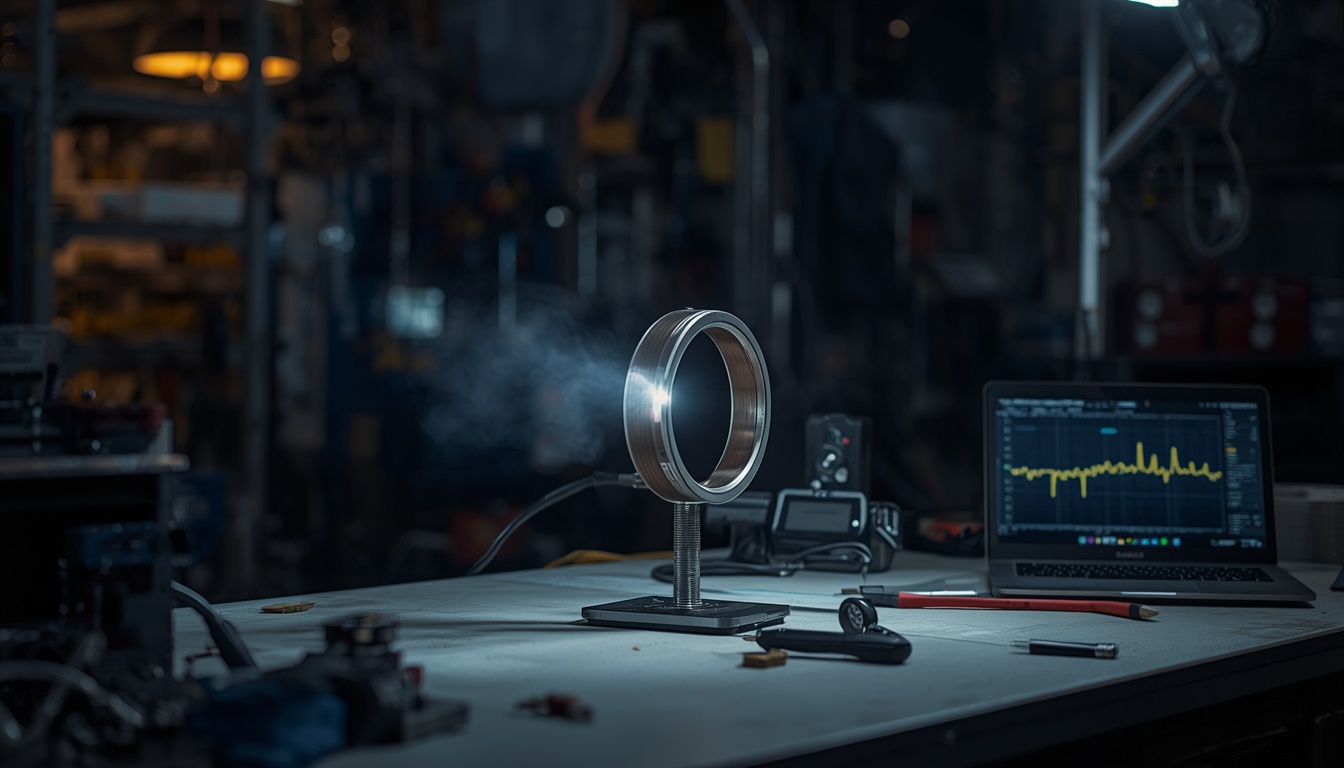
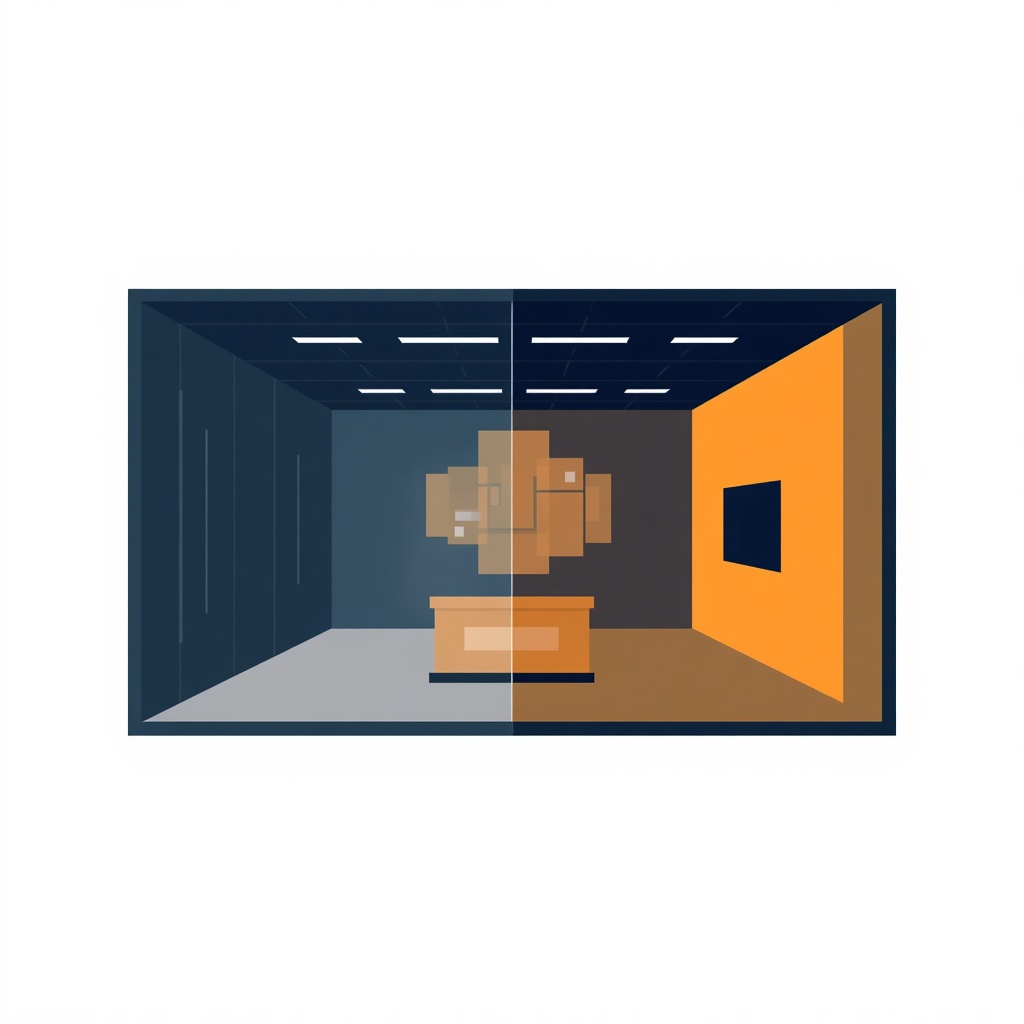
Understanding what Emerald AI actually builds requires understanding the specific structural problem it is attempting to solve. Data centres, and AI data centres in particular, have traditionally been treated by electricity grid operators as fixed, inflexible loads, facilities that draw roughly the same amount of power continuously regardless of broader conditions on the surrounding electricity grid. Emerald AI’s core product, a software platform called Emerald Conductor, challenges that assumption directly, coordinating AI computing workloads alongside onsite energy resources including batteries and generation capacity to dynamically adjust a facility’s power consumption in response to real time grid conditions. When the local electricity grid comes under stress, whether from extreme weather, unexpected demand spikes or generation shortfalls, the platform can reduce or shift a data centre’s electricity draw without compromising the specific AI workloads a customer has designated as critical, allowing genuinely important training or inference jobs to keep running uninterrupted even as the facility’s overall power footprint temporarily shrinks.
The company’s own framing of its founding thesis captures the underlying logic driving this approach directly. According to Sivaram, Emerald AI was founded on the conviction that < cite index=”84-1″>the intelligence driving the AI revolution could solve its own greatest bottleneck, power</cite>, a framing that positions the company’s software not merely as a cost saving efficiency tool for data centre operators, but as infrastructure genuinely necessary for the broader AI industry’s continued physical expansion, given how severely constrained new electricity generation and transmission capacity has become across much of the developed world. That constraint is not an abstract concern, building new high voltage transmission infrastructure in the United States typically requires close to a decade of permitting and construction before it becomes operational, a timeline that sits in obvious, uncomfortable tension with the pace at which AI companies are currently attempting to bring new data centre capacity online.
The scale of opportunity Emerald AI is pursuing is genuinely substantial, and worth examining directly rather than simply repeating as a marketing claim. The company’s approach, according to its own disclosures, could unlock more than 100 gigawatts of capacity on the existing United States electricity grid specifically for AI workloads, without requiring the kind of lengthy new transmission and generation buildout that traditional grid expansion demands, while simultaneously protecting overall grid reliability and preserving energy affordability for the broader communities that share that same electricity infrastructure alongside data centre operators. That last point, protecting affordability and reliability for ordinary electricity consumers rather than simply prioritising AI industry growth at any cost, appears to be a deliberate and meaningful part of Emerald AI’s own public positioning, an implicit acknowledgment of the genuine tension that has emerged in several US regions between data centre driven electricity demand growth and rising costs or reliability concerns for residential and commercial ratepayers sharing the same grid infrastructure.
Emerald AI’s technology has already moved meaningfully beyond the pilot or demonstration stage that many climate and energy technology startups remain confined to for years before achieving genuine commercial traction. The company has completed five global demonstrations of its technology, and its software is now deployed commercially at multi megawatt, full data centre scale, working with customers spanning leading AI companies, data centre operators and electric power utilities directly. That progression, from demonstration to genuine commercial deployment at meaningful scale within roughly two years of the company’s founding, represents a considerably faster path to commercial traction than most climate and energy infrastructure startups typically achieve, and likely explains why this specific funding round attracted such a broad and immediately committed group of strategic corporate investors rather than remaining confined to purely financial venture capital backers.
The broader market context underpinning this investment is difficult to overstate, and helps explain why capital has moved this decisively toward the specific problem Emerald AI is attempting to solve. The International Energy Agency has projected that data centres will drive nearly half of total United States electricity demand growth through 2030, an extraordinary concentration of new electricity demand growth within a single industry category, one that has already begun visibly straining grid planning processes, interconnection queues and, in some regions, driving measurable increases in electricity prices for ordinary consumers sharing the same grid infrastructure as newly constructed data centres. Against that backdrop, a technology genuinely capable of unlocking meaningful additional grid capacity for AI workloads without requiring a full decade long transmission buildout cycle represents precisely the kind of infrastructure bottleneck relief that both AI companies and grid operators have strong, immediate incentives to fund and deploy as quickly as genuinely possible.
It is worth acknowledging the real limits of what Emerald AI’s approach can achieve, rather than treating flexible power management as a complete solution to America’s broader electricity infrastructure constraints. Demand flexibility software, however sophisticated, cannot manufacture electricity that does not already exist within a given regional grid, it can only help redistribute and optimise the timing of how existing generation capacity gets consumed by flexible loads like data centres, meaning genuinely severe, sustained electricity shortages in specific regions would still ultimately require new generation and transmission investment regardless of how effectively Emerald AI’s software manages demand side flexibility. The company’s own 100 plus gigawatt capacity unlock figure should also be read as a projected, aspirational estimate of what its approach could theoretically achieve across the full US grid, rather than a figure already realised through its current commercial deployments, which remain considerably more limited in scale at this relatively early stage of the company’s commercial rollout.
Viewed evenly, Emerald AI’s funding round reflects genuine, broad based conviction from an unusually diverse and influential group of strategic investors that demand side power flexibility represents a genuinely necessary, and currently underdeveloped, piece of infrastructure required to sustain the AI industry’s continued physical expansion without further straining electricity grids that were never originally designed to accommodate this scale and pace of new, concentrated demand growth. Whether Emerald AI’s specific technology can scale from its current, genuinely impressive but still relatively early commercial deployment toward the considerably larger, gigawatt scale capacity unlock its own thesis depends upon, will be determined far more by how effectively the company executes over the coming several years than by the considerable investor enthusiasm reflected in this week’s funding announcement alone.