

Meta AI Struggles to Compete Despite Massive Investment in Alexandr Wang
Mark Zuckerberg spent billions to bring in top talent to revitalize Meta and its artificial intelligence ambitions. A year later, the company has released new models but still lags behind major competitors, leaving investors cautious and developers highly skeptical.
Mark Zuckerberg is facing intense scrutiny as he tries to justify a massive financial gamble. Over a year ago, Meta spent over 14 billion dollars to hire Alexandr Wang and a group of his top engineers from Scale AI. The explicit goal was to completely revamp the struggling artificial intelligence efforts at Meta, ensuring the social media giant would not be left behind in the rapidly accelerating technology race.
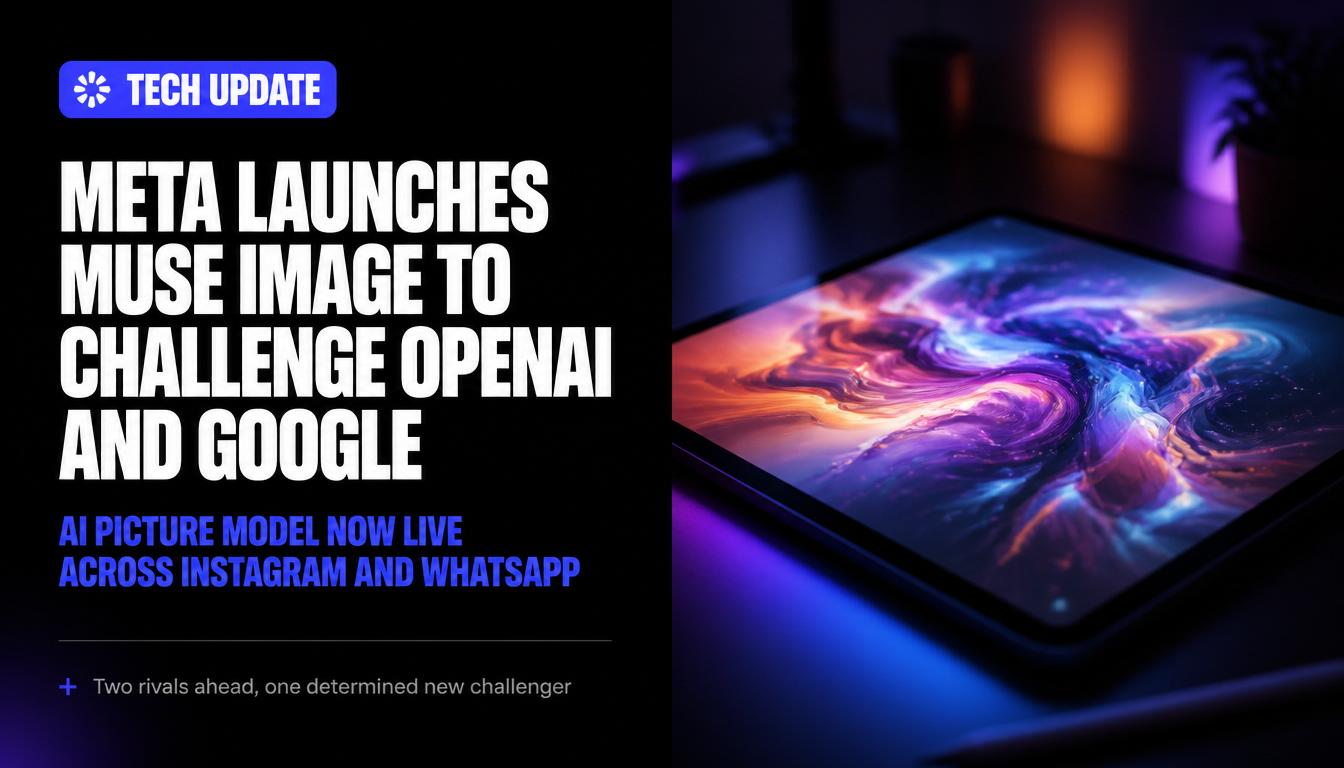
After a year of rigorous internal restructuring, Meta is finally back on the map in the artificial intelligence sector, but it remains noticeably behind industry leaders like OpenAI, Anthropic, and Google. The major achievement from Wang and his team was the delivery of the Muse Spark AI model this past April. This highly anticipated launch marked the first time Meta stepped into the competitive arena of proprietary foundation models, moving away from its previous reliance on open source frameworks to build a unique corporate asset.
Despite achieving this technical milestone, the financial markets are not entirely convinced. Meta has seen its stock drop by a concerning 18 percent over the past 12 months. Developers and investors alike remain deeply skeptical about the ability of the company to carve out a dominant space in this rapidly evolving landscape. The core issue lies in commercial adoption, as many developers feel that Muse Spark, while competent, does not offer enough unique advantages to justify switching away from established ecosystems that have already captured the developer community.
The massive drop in stock value reflects a broader anxiety regarding the capital expenditure of Meta. Wall Street is increasingly impatient with tech giants spending tens of billions of dollars on engineering talent and data center infrastructure without showing clear, immediate monetization pathways. While Zuckerberg has successfully integrated artificial intelligence features into Instagram and Facebook feeds to boost user engagement, the lucrative enterprise software market remains firmly in the hands of his primary rivals. The pressure on Wang to deliver a breakthrough product that can generate direct software revenue is mounting by the day.
While the Muse Spark model is a definitive step forward, Meta clearly has a long and difficult road ahead. The massive financial investment has yet to yield the market leadership Zuckerberg originally envisioned, leaving the company to fight a very steep uphill battle against deeply entrenched and highly capable rivals. To turn the tide, Meta must not only match the raw intelligence of competing models but also rebuild its frayed relationship with the developer ecosystem, convincing them that its platform is the premier destination for building the next generation of applications.
Image Generation Prompt: A corporate boardroom with a glowing, intricate digital brain hovering over the table, executives looking at it with mixed expressions of awe and concern, modern aesthetic, dramatic lighting.