
DeepSeek Raises $7.4 Billion as Tencent and CATL Back China’s Largest AI Startup Funding Round
China’s AI race has entered a new phase as DeepSeek prepares to secure a massive $7.4 billion investment. Backed by major corporate giants, the startup is doubling down on affordable AI, open source innovation, and its long term ambition to build artificial general intelligence.
China’s leading artificial intelligence startup DeepSeek is preparing to raise approximately 50 billion yuan, or $7.4 billion, in what is expected to become the country’s largest AI funding deal to date. The investment marks a significant milestone for China’s rapidly growing AI sector and highlights increasing investor confidence in domestic technology champions.
The funding round is expected to attract some of China’s most influential companies, including Tencent and CATL. Their participation reflects growing interest in artificial intelligence as businesses across industries seek to strengthen their technological capabilities and secure a position in the next wave of innovation.
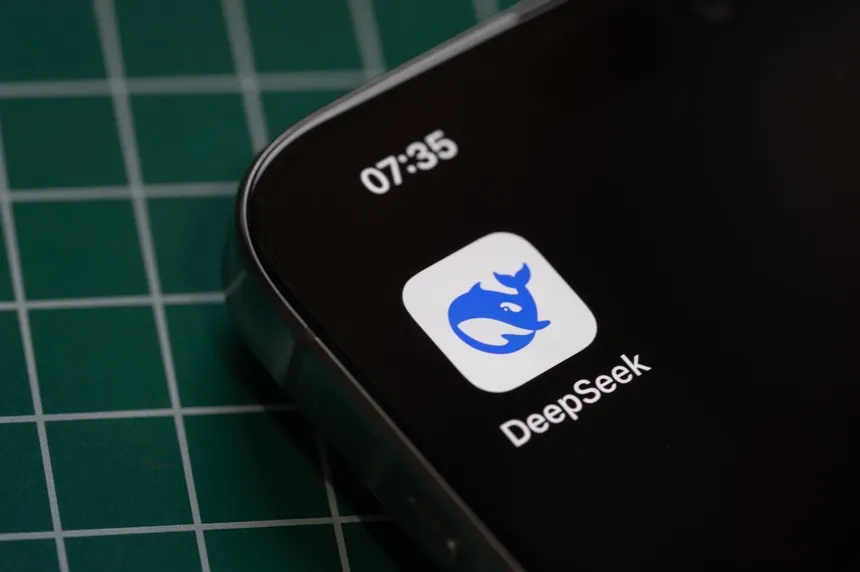
DeepSeek has gained international attention for developing advanced AI models at highly competitive prices. The company has positioned itself as a major challenger in the global AI market by offering powerful tools while maintaining a focus on accessibility and cost efficiency.
Founder Liang Wenfeng has reportedly assured investors that DeepSeek will continue developing open source AI models. During discussions with potential backers, he also emphasized the company’s long term objective of achieving artificial general intelligence, often referred to as AGI, a level of AI capable of performing a wide range of intellectual tasks at or beyond human capabilities.
The scale of the funding reflects the growing financial support behind AI development in China. A 50 billion yuan raise would place DeepSeek among the most heavily funded AI companies globally and provide substantial resources for research, infrastructure expansion, talent acquisition, and product development.
DeepSeek has also strengthened its market position through aggressive pricing. The company recently made a permanent 75 percent reduction in the price of its flagship V4 Pro model. According to company statements, the model is now between 20 and 35 times less expensive than some premium AI offerings from OpenAI, Anthropic, and Google.
Industry observers view the pricing strategy as an effort to expand adoption among developers, businesses, and research institutions. Lower costs could encourage broader experimentation and deployment of AI technologies while increasing competitive pressure across the sector.
Liang Wenfeng has repeatedly highlighted the importance of open source development, arguing that wider access to advanced AI models can accelerate innovation and create a stronger ecosystem. The commitment has helped DeepSeek build support among developers and researchers seeking alternatives to closed AI systems.
Key figures associated with the deal include a planned fundraising target of 50 billion yuan, equivalent to roughly $7.4 billion. The company has implemented a permanent 75 percent price reduction for its V4 Pro model, with pricing reportedly 20 to 35 times lower than several premium competing products.
According to statements attributed to company leadership, DeepSeek intends to balance commercial growth with open source development while continuing to pursue breakthroughs in advanced AI capabilities. Investors backing the company appear to share confidence in both its technological roadmap and its ability to compete on a global scale.
DeepSeek’s planned funding round represents a major moment for China’s AI industry and signals the increasing importance of artificial intelligence in global technology competition. While the company’s ambitious goals and aggressive pricing strategy have attracted significant attention, long term success will depend on its ability to sustain innovation, scale its technology, and compete with established international rivals. The investment underscores both the opportunities and challenges facing the next generation of AI companies as the race toward more advanced systems continues.