
Oben Electric Begins Rorr Evo Motorcycle Deliveries Nationwide After Crossing Twenty Five Thousand Bookings In Fifteen Days
Oben Electric has started handing over its Rorr Evo electric motorcycle to customers after more than twenty five thousand bookings poured in within fifteen days, testing whether an ambitious young manufacturer can turn early hype into dependable, everyday deliveries at scale.
Highlights:
- Oben Electric has started deliveries of its Rorr Evo electric motorcycle, beginning in Bengaluru
- The motorcycle crossed more than 25000 bookings within just 15 days of its May launch
- Rorr Evo offers a claimed range of 180 km and a top speed of 110 km per hour
- Deliveries will expand through more than 150 showrooms across 90 plus cities in 18 states
- The motorcycle uses an in house built LFP battery pack with an 8 year warranty
For a country that rides more motorcycles than almost anywhere else on earth, India’s shift toward electric two wheelers has, so far, been a story mostly about scooters. Motorcycles, the workhorses of Indian roads that account for roughly two thirds of all two wheeler sales, have remained stubbornly resistant to electrification, held back by demanding expectations around range, performance, and price that scooters simply do not face in the same way. Bengaluru based Oben Electric is now trying to prove that resistance can be broken, and the early signs from its newest motorcycle, the Rorr Evo, suggest it may have found a genuine opening.
Oben Electric has officially begun handing over the Rorr Evo to customers, starting with a delivery event in Bengaluru called First to Rorr, where the company’s earliest buyers received their motorcycles in person. The rollout will now expand gradually across the country over the coming weeks, moving through Oben’s retail network of more than 150 showrooms spread across over 90 cities in 18 states. The scale of that retail footprint is notable for a company that remains, by most standards, a fairly young manufacturer, having been founded only in 2020 with a research and development heavy approach to building electric motorcycles and their core components largely in house.
The demand that preceded this delivery milestone is what has made the Rorr Evo one of the more talked about launches in India’s electric two wheeler space this year. Since its introduction in May 2026, the motorcycle has crossed more than 25,000 bookings in just fifteen days, a pace of demand accumulation the company describes as among the fastest ever recorded in the electric motorcycle category in India. Part of that early rush was almost certainly helped along by pricing strategy, with the first 10,000 customers offered an introductory price of 99,999 rupees ex showroom, a figure that steps up to 1,24,999 rupees ex showroom for buyers after that initial batch. Booking itself required only a token payment of 777 rupees through the company’s website, a low barrier to entry that tends to inflate early interest numbers in ways that do not always translate cleanly into confirmed, paid deliveries down the line.
On paper, the Rorr Evo is a genuinely well specified motorcycle for its price bracket. It is built around a 9 kilowatt motor Oben says it developed in house, paired with a 3.4 kilowatt hour LFP battery pack, delivering a claimed range of 180 kilometres on a single charge and a top speed of 110 kilometres per hour. The motorcycle can reportedly accelerate from zero to 40 kilometres per hour in just three seconds, and its battery can be fast charged from zero to 80 percent in around 90 minutes. Oben backs the battery with an eight year warranty, a duration long enough to address one of the more persistent anxieties Indian buyers have historically had about electric vehicle battery longevity and replacement cost. The choice of LFP battery chemistry over the more commonly used NMC chemistry in Indian electric two wheelers is also a meaningful technical decision, since LFP cells are generally recognised for better thermal stability and longer cycle life, even though they typically trade off some energy density in the process.
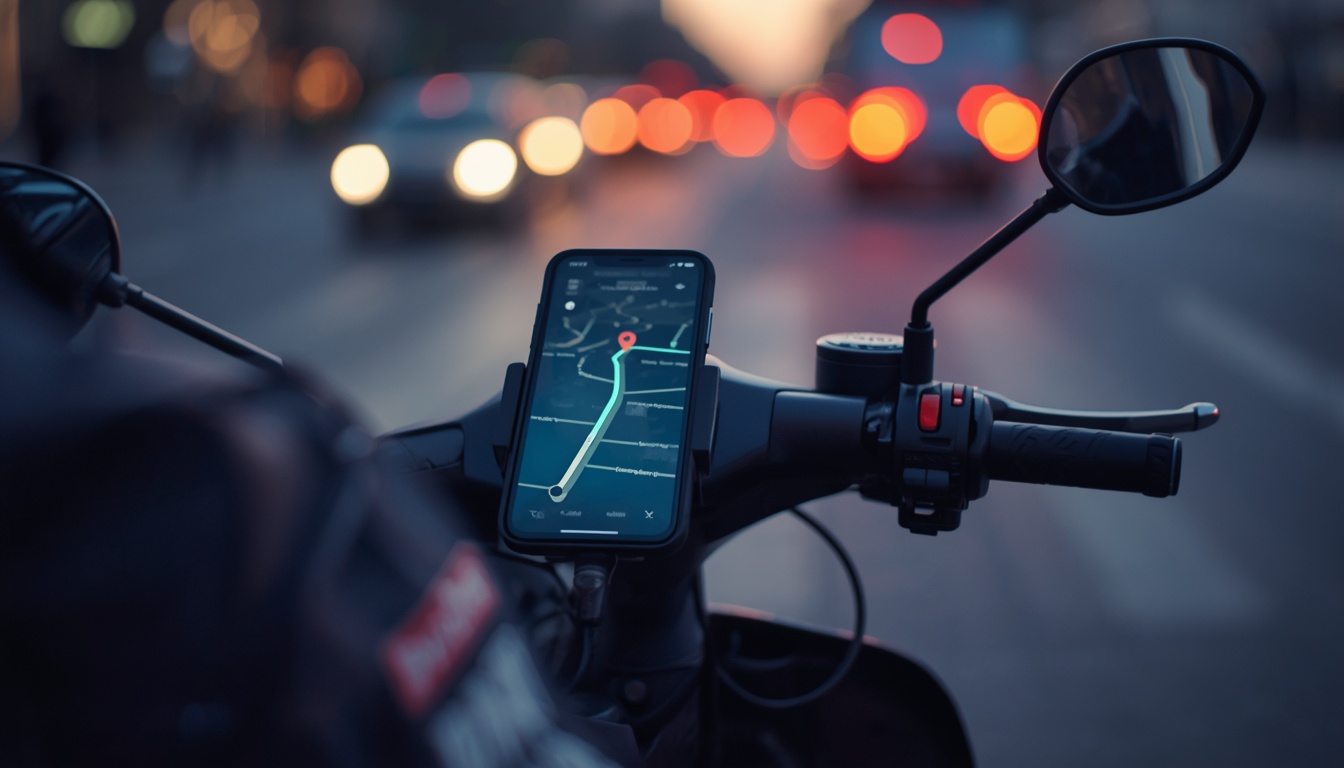
Beyond the core mechanical specifications, the Rorr Evo leans fairly heavily into connected and software driven features that are becoming increasingly common across premium electric two wheelers in India. It includes a five inch TFT display, over the air software updates, turn by turn navigation, geo fencing, remote immobilisation, and fall detection paired with an emergency SOS function, all tied together through the company’s proprietary ARGUS connected vehicle platform. Oben has also built what it calls SmartIQ, an AI based ride optimisation system the company claims can improve real world range by up to 15 percent depending on riding conditions, alongside what it describes as a segment first projector headlamp setup. The motorcycle is available in four colour options, Pulse Red, Neutron Blue, Magnetic Black, and Photon White.
The numbers Oben has put forward around its manufacturing readiness are worth examining closely, since they speak directly to whether the company can actually convert its booking momentum into timely, reliable deliveries rather than a prolonged waiting list. The company operates a 3.5 acre manufacturing facility in Bengaluru with a stated annual production capacity of over one lakh electric motorcycles, and describes its operation as vertically integrated, meaning it develops and manufactures critical components such as batteries, motors, vehicle control units, chargers, and its own software systems internally rather than relying heavily on third party suppliers. That kind of vertical integration, if it holds up under real production pressure, can meaningfully reduce the supply chain bottlenecks that have tripped up several Indian EV startups in the past when demand outpaced their ability to source components fast enough.
Madhumita Agrawal, the founder and chief executive of Oben Electric, framed the start of deliveries as a distinct milestone from the earlier booking surge, noting that building demand is one achievement, but consistently delivering on that demand is what actually builds lasting customer trust. She added that India remains a motorcycle first nation, and argued the next phase of the country’s electric mobility shift will be defined by motorcycles that fit naturally into everyday riding rather than compromising on performance or practicality to accommodate an electric powertrain. That framing captures the core bet Oben is making, that Indian riders will accept electric motorcycles once the range, charging speed, and everyday usability genuinely stop feeling like compromises next to a petrol motorcycle.
It is worth treating the booking numbers behind this launch with a measure of caution rather than accepting them purely at face value. A 777 rupee token booking amount is a very low commitment threshold, and companies across the Indian EV two wheeler industry have, in the past, seen meaningful gaps between headline booking figures and the number of customers who eventually go through with a full purchase once the actual on road price, waiting time, or real world range becomes clearer. Oben has not yet published how many of its 25,000 plus bookings have converted into confirmed, paid deliveries, which makes it difficult to judge the true scale of this rollout at this early stage. There is also a broader execution question hanging over any young vehicle manufacturer attempting to scale quickly, since India’s EV two wheeler industry has seen more than one ambitious startup struggle to match production output with booking momentum, leading to long delivery delays that eroded early customer goodwill. Oben’s claimed annual capacity of one lakh units and its vertically integrated component supply chain are reassuring on paper, but the real test will be whether that capacity translates into consistent, on time deliveries across 90 plus cities over the coming months, rather than remaining a manufacturing capability that looks strong on a specification sheet.
Set against the broader landscape, Oben’s move into electric motorcycles specifically, rather than the electric scooter segment where most Indian EV two wheeler competition has concentrated so far, does represent a genuinely underexploited opportunity. Motorcycles remain the dominant two wheeler category in India by a wide margin, and a credible, well specified electric alternative in that segment could unlock a meaningfully larger addressable market than scooters alone offer. Whether Oben Electric becomes the company that actually captures that opportunity at scale, though, will depend far less on how quickly it generated bookings in its first fifteen days, and far more on how smoothly it manages the considerably harder job of building, delivering, and servicing tens of thousands of motorcycles across a rapidly expanding and geographically spread out retail network over the months that follow