
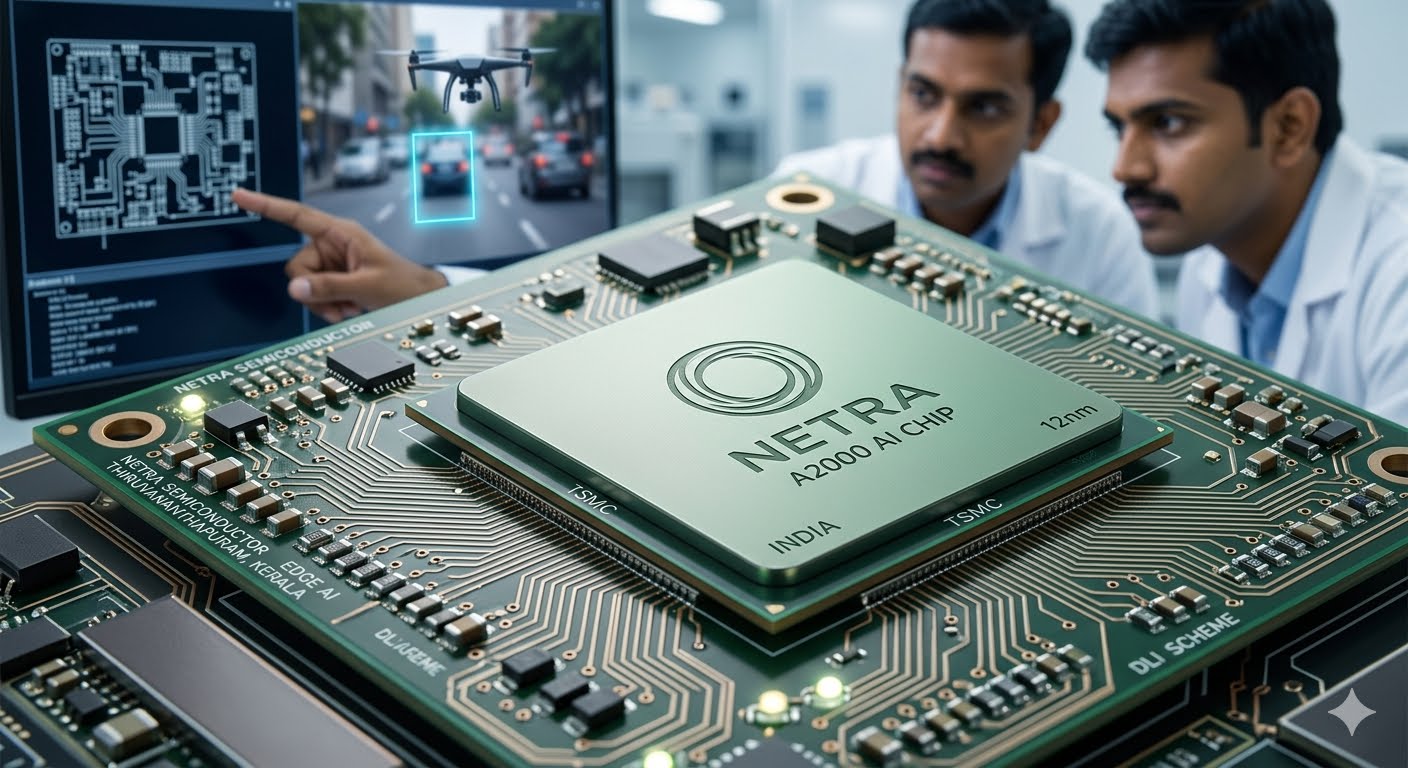
Netrasemi Develops India’s First 12nm AI Chip, Heads to Mass Production
Thiruvananthapuram-based Netrasemi has successfully built the A2000, India’s first 12nm AI chip. With support from Zoho and the government, the company is now moving toward mass production at TSMC, marking a rare hardware win for a startup based outside India’s traditional tech hubs.
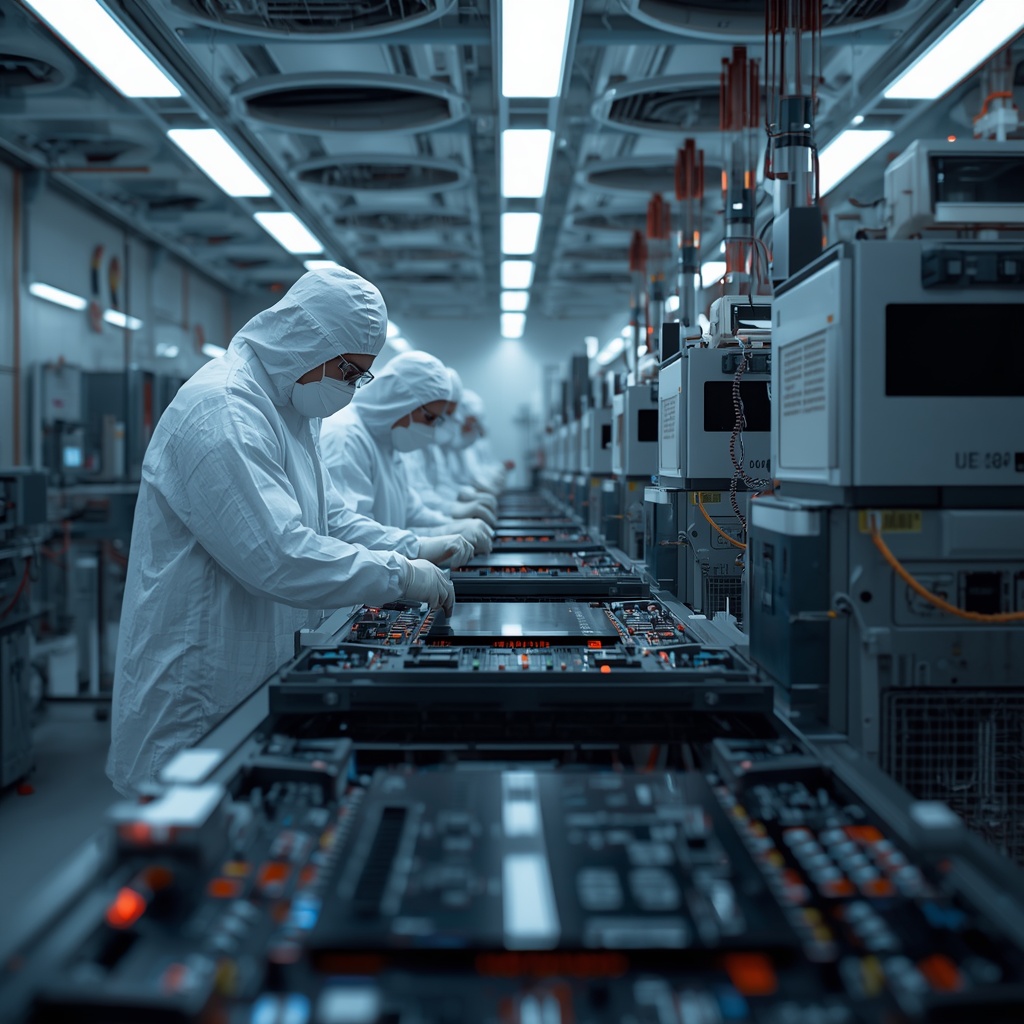
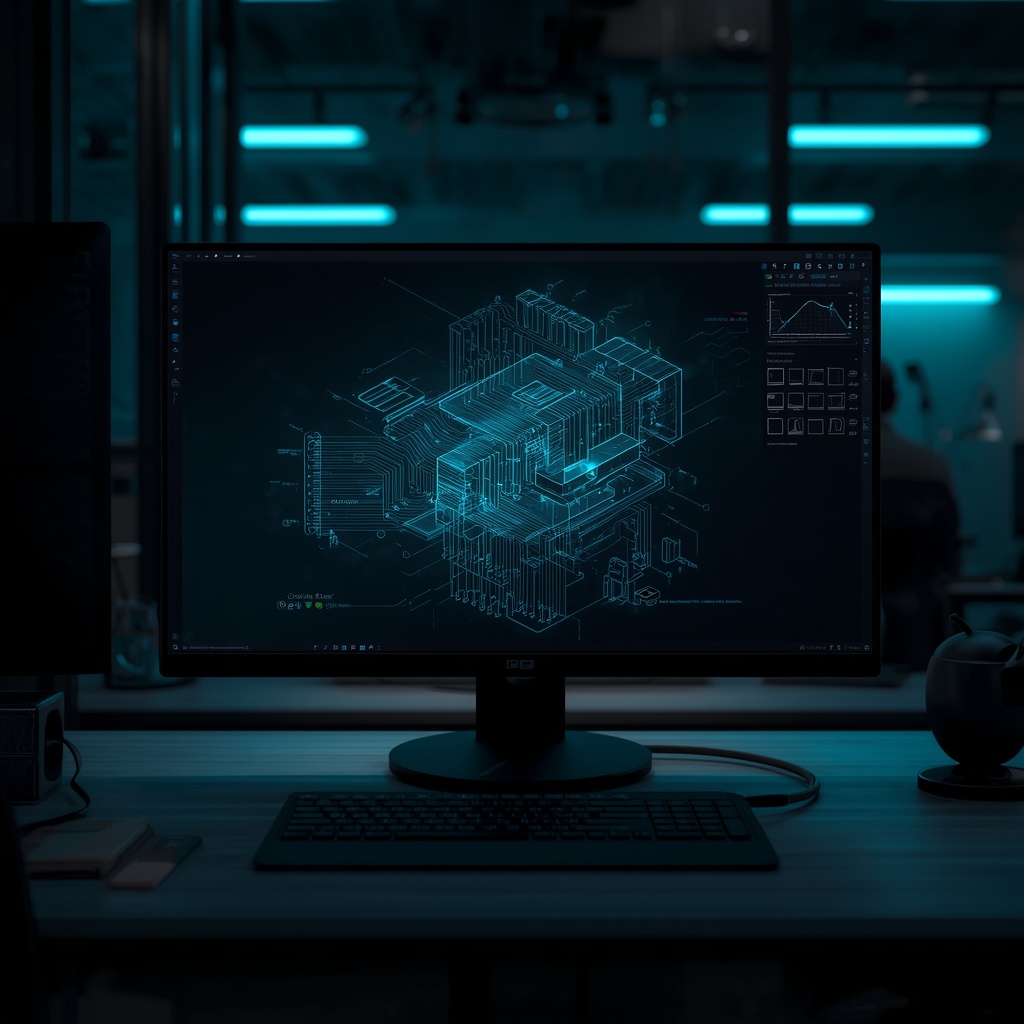
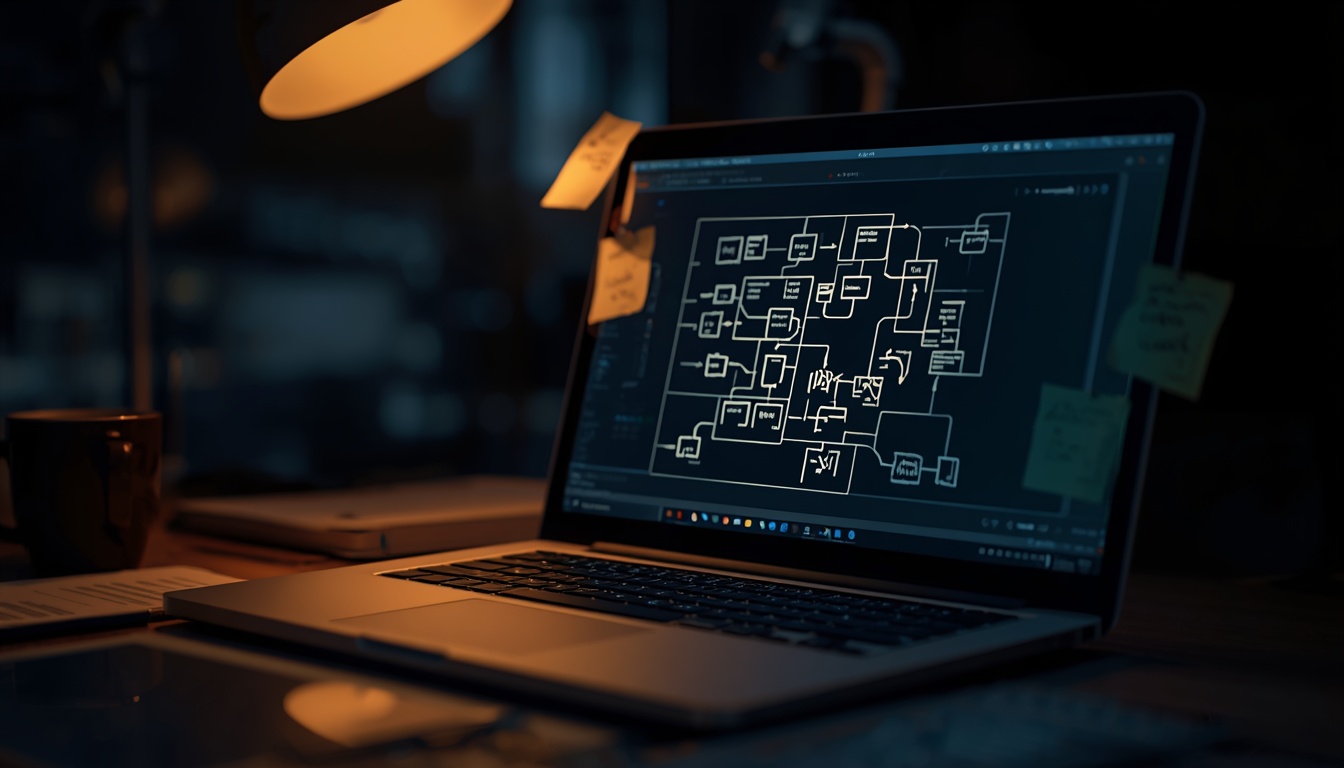
Designing and manufacturing a computer chip is one of the most difficult engineering feats in the world. Think of it like a high-stakes stress test. Before this moment, a chip exists only as a digital blueprint, a complex virtual simulation running on a computer screen. Silicon bring-up is the moment that design gets manufactured into something you can actually hold. It is the first time the real thing exists in the physical world.
Statistically, this almost always goes wrong. If there is even a tiny mistake, a timing error, a power miscalculation, something that never showed up in the software model, the chip simply will not work. Fixing it means going back to the drawing board, which costs millions of dollars and months of waiting. Netrasemi got it right on the first try. That is a rare and significant victory in a field where even well-funded global teams fail repeatedly before they get there. The more pressing question now is whether the same precision can survive the leap from a single validated design to thousands of units rolling off a production line.
Netrasemi is a fabless semiconductor startup founded in 2020 and headquartered in Thiruvananthapuram, Kerala. It was founded by three people: CEO Jyothis Indirabhai, Sreejith Varma, and Deepa Geetha. Indirabhai’s background is worth understanding here. He spent nearly two decades working in Silicon Valley, including close to ten years at Intel as a GPU design manager, before returning to Kerala to build something from scratch. This was not a pivot or a career detour. It was a deliberate choice to work in one of the hardest engineering domains in the world, in a city not typically associated with semiconductor design, at a time when India had no real chip product company to speak of.
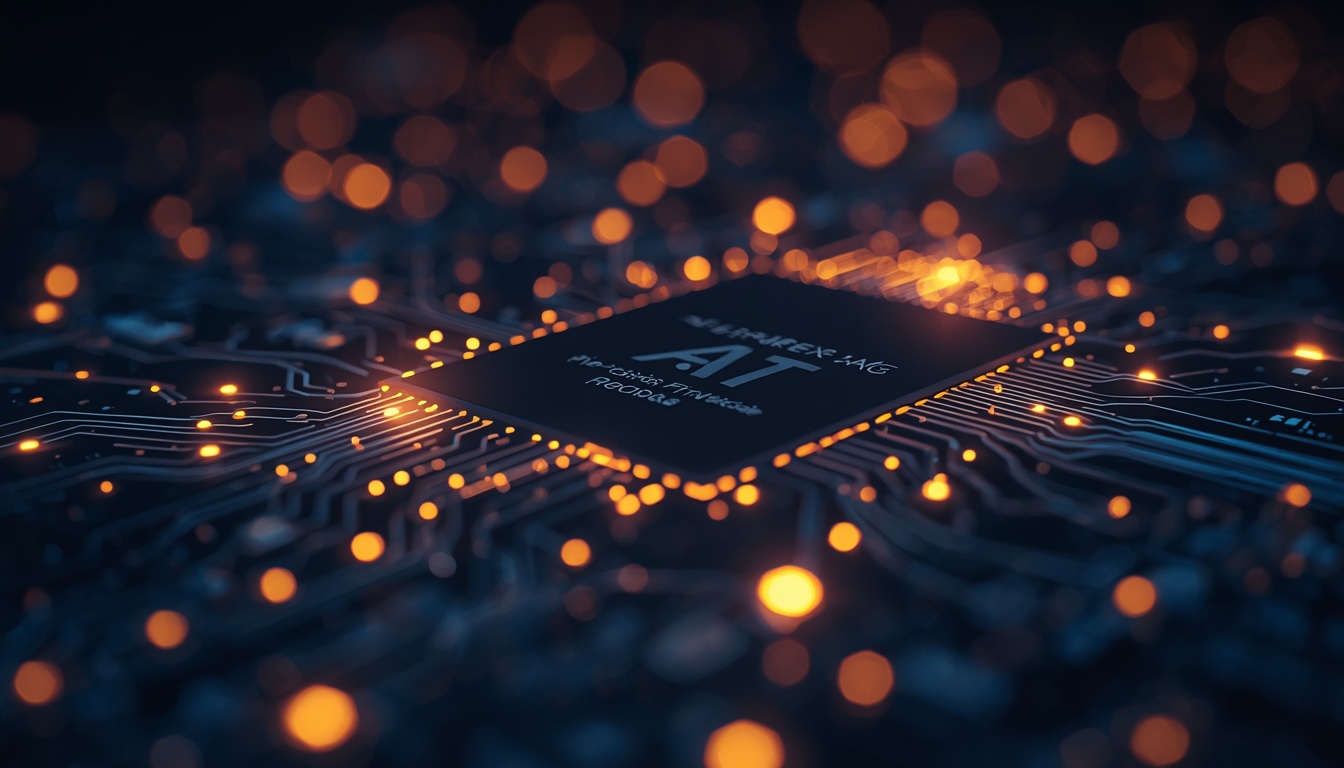
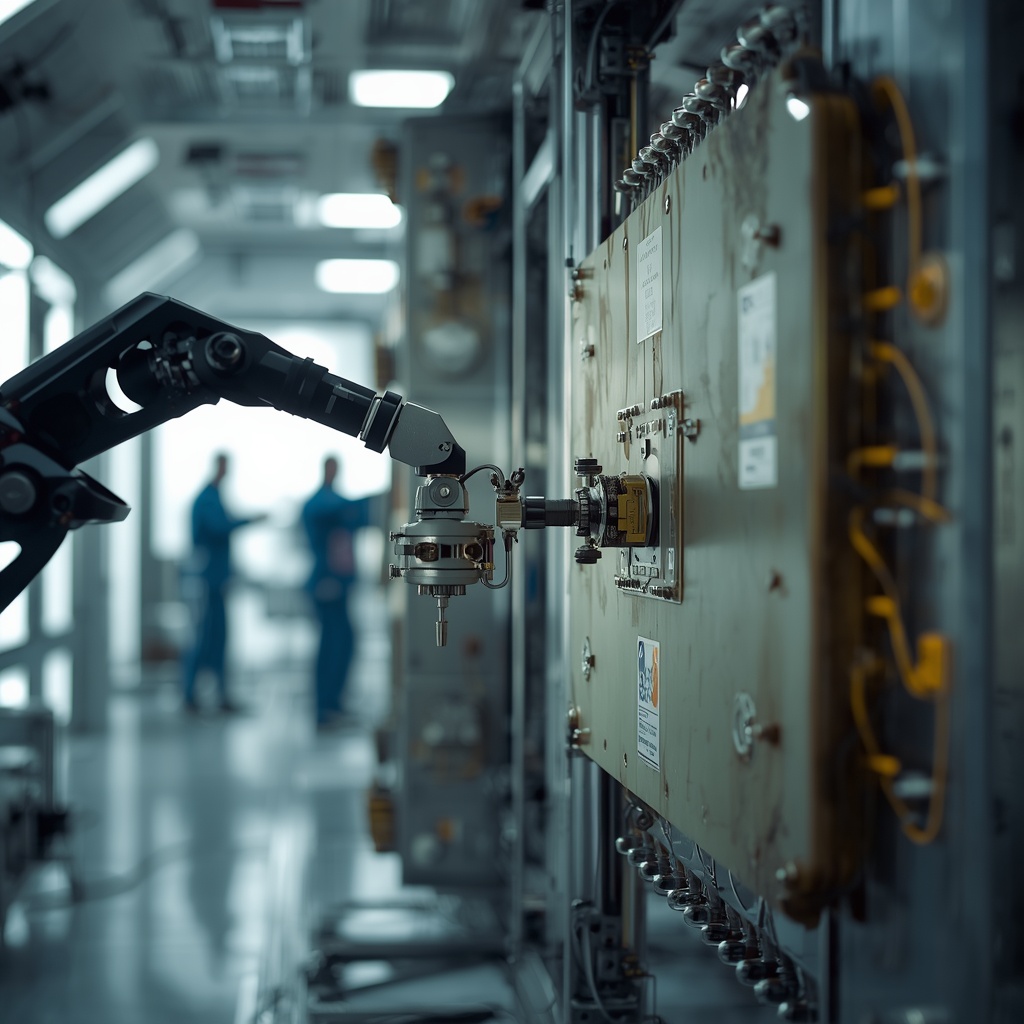
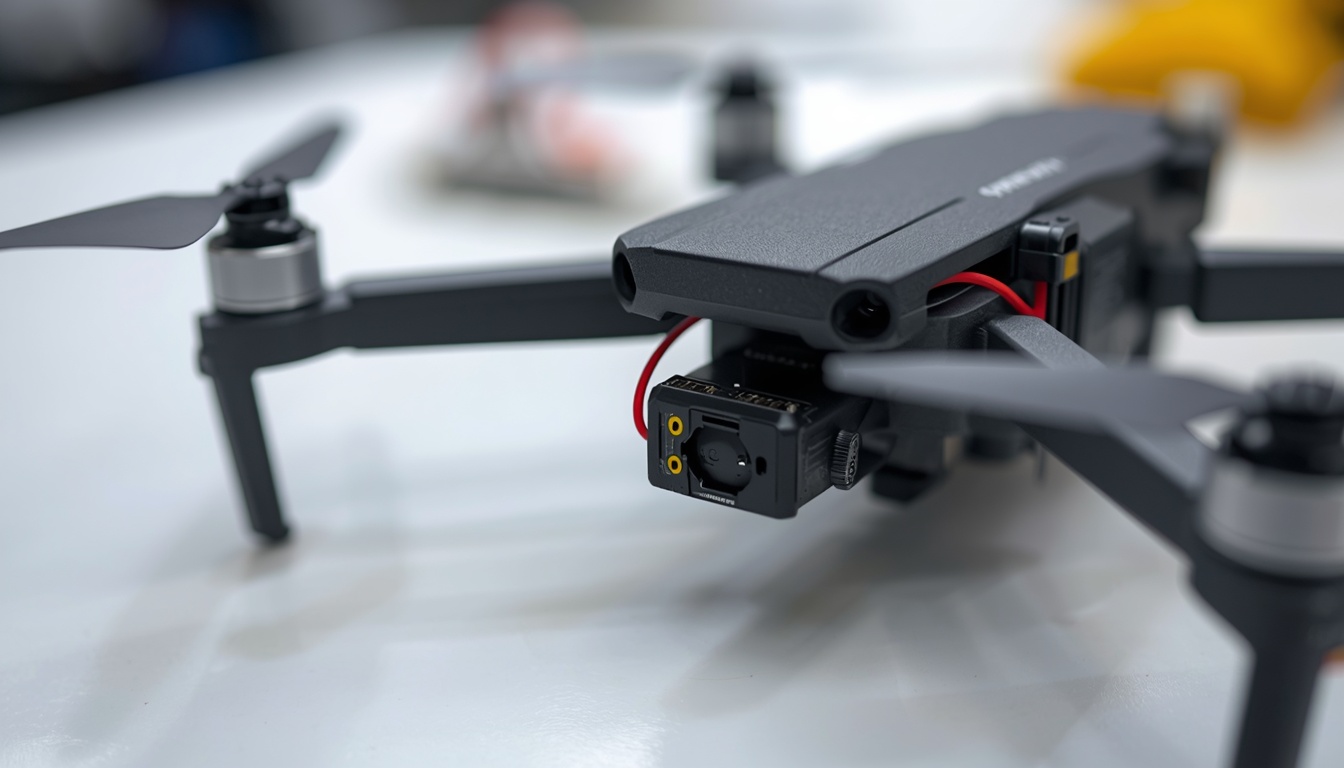
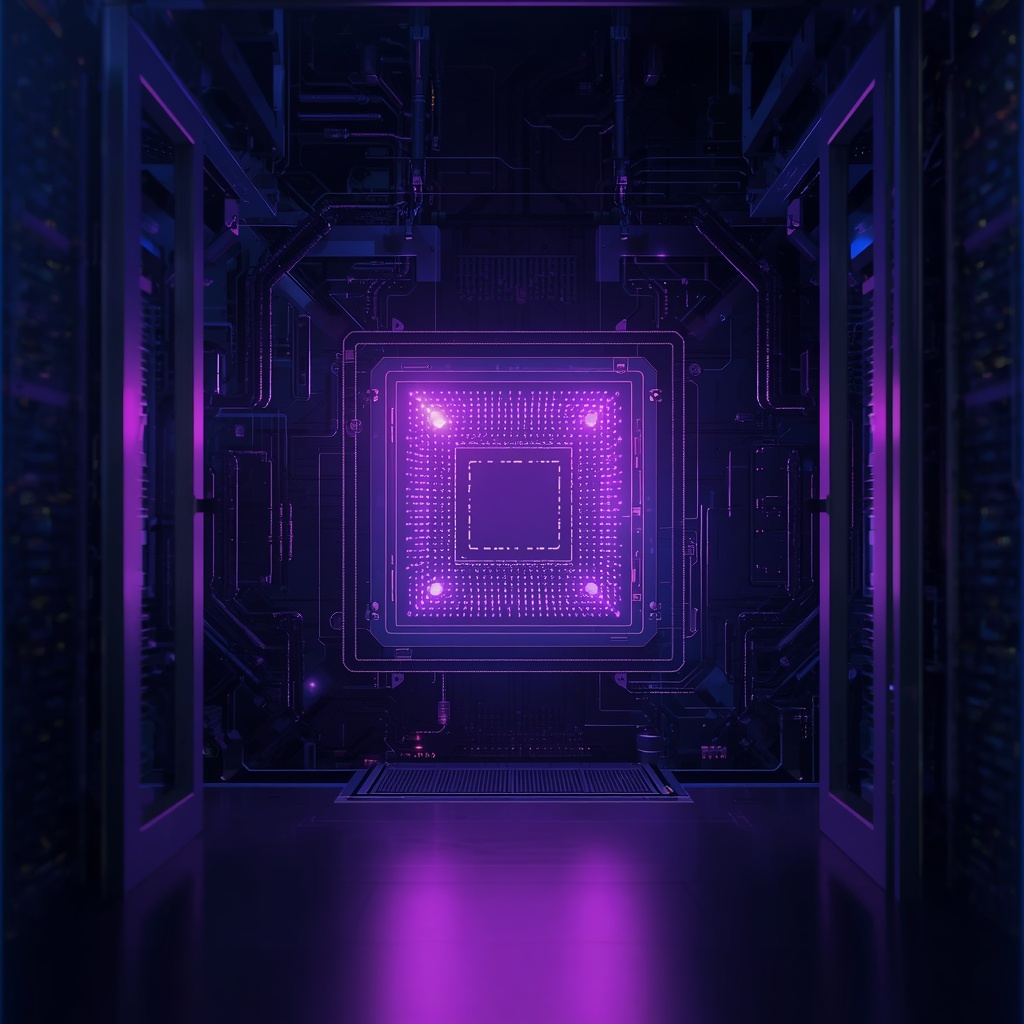
The chip the company has just validated is called the NETRA A2000. It is a System-on-Chip built on TSMC’s 12nm process node, which means it packs a significant amount of computing capability into a compact and power-efficient design. The A2000 is not trying to compete with Nvidia’s data centre chips or Apple’s latest smartphone processors. Its target is more focused and arguably more important for India’s near-term industrial needs. The chip is designed for Edge AI, which means it processes data directly on the device rather than sending everything to a cloud server far away. That matters enormously for smart cameras that need to detect objects in real time, for drones that cannot afford a half-second lag, for surveillance systems, factory robots, and automotive applications where speed and power efficiency are not optional features but basic requirements. Engineering samples of the A2000 can run object detection models at under five watts, which is a meaningful benchmark in a category where every milliwatt counts.
The company has raised Rs 125 crore in total funding to date, including a Rs 107 crore Series A led by Zoho Corporation and Unicorn India Ventures. Zoho is a Chennai-based SaaS company with over Rs 13,500 crore in annual revenue, and its decision to back a chip startup rather than the more predictable software plays says something about where the company’s leadership sees India’s next hardware opportunity. Beyond private capital, Netrasemi was also among the first four startups selected under MeitY’s Design Linked Incentive scheme in 2023, receiving Rs 15 crore in government support. The DLI scheme provides financial incentives, access to Electronic Design Automation tools, and prototyping infrastructure, the unglamorous but essential scaffolding that lets a small team actually move a chip from concept to silicon. Union Minister Ashwini Vaishnaw singled out the A2000 milestone as evidence that the scheme is producing real results, not just pipeline announcements.
Netrasemi is currently running early trials with three unnamed OEMs in the surveillance and automotive sectors. CEO Jyothis Indirabhai has said the company is working with several leading OEMs on sample evaluations, co-development, and advanced research initiatives. Full-scale commercial production at TSMC is targeted for mid-2027. The company also plans to roughly double its engineering headcount from around 91 to approximately 166 chip engineers over the next 12 to 18 months. A second chip, the R1000 AI/ML MCU aimed at the IoT sensor market, is already in development in collaboration with the College of Engineering Trivandrum under the MeitY Chip-to-Startup programme. The A2000 supports over a hundred commercial applications, from retail analytics and smart city infrastructure to robotics and defence adjacent use cases.
The milestone is genuine, but it invites a harder question that tends to get buried under the congratulatory coverage. Does India actually have the surrounding infrastructure to support what comes next? Designing a chip and proving it works is one challenge. Building the commercial stack around it, the software tools, the post-silicon support teams, the customer acquisition engine, the supply chain relationships, the ability to iterate quickly if the first production batch surfaces issues, is a different and arguably larger one. India has historically been a powerhouse in chip design services, with roughly one in five of the world’s semiconductor design engineers working here. But owning intellectual property and building a product company around it is a structurally different business. The supporting layers of a mature semiconductor cluster, EDA vendors, IP licensors, packaging houses, specialised test infrastructure, remain thin. India does not yet have a fully operational domestic semiconductor fabrication facility. The first fab, expected in Dholera, Gujarat, is not likely to be operational before 2028 at the earliest, which means companies like Netrasemi will remain dependent on TSMC in Taiwan for production for the foreseeable future. That is a manageable reality today, but it is a strategic dependency that cannot be ignored in a geopolitically uncertain world.
None of that diminishes what Netrasemi has done. Building a production-ready 12nm AI chip in Kerala, on first-pass silicon, with a team of under a hundred engineers and without the deep institutional support that the Qualcomms and MediaTeks of the world take for granted, is not a small thing. It belongs in a different category from the PowerPoint semiconductor announcements India has grown accustomed to. The company is now in the middle of the hardest part: converting a validated design into a commercially viable product, winning OEM trust in a market where buyers historically default to proven global names, and proving that Indian chip IP can sustain the software, field support, and roadmap commitments that enterprise customers expect before they stake their own products on an unfamiliar name. The chip works. That is the starting line, not the finish.