
Bahula Naturals Aakriti Srivastava: How a Woman Entrepreneur Is Transforming Desert Livelihoods in Rajasthan
A journalism graduate from Delhi arrived in a desert village near the India-Pakistan border in 2017 to film a documentary. Seven years later, Aakriti Srivastava runs Bahula Naturals, a net-zero camel milk company that has quietly changed 4,000 lives in Rajasthan’s most forgotten corners.
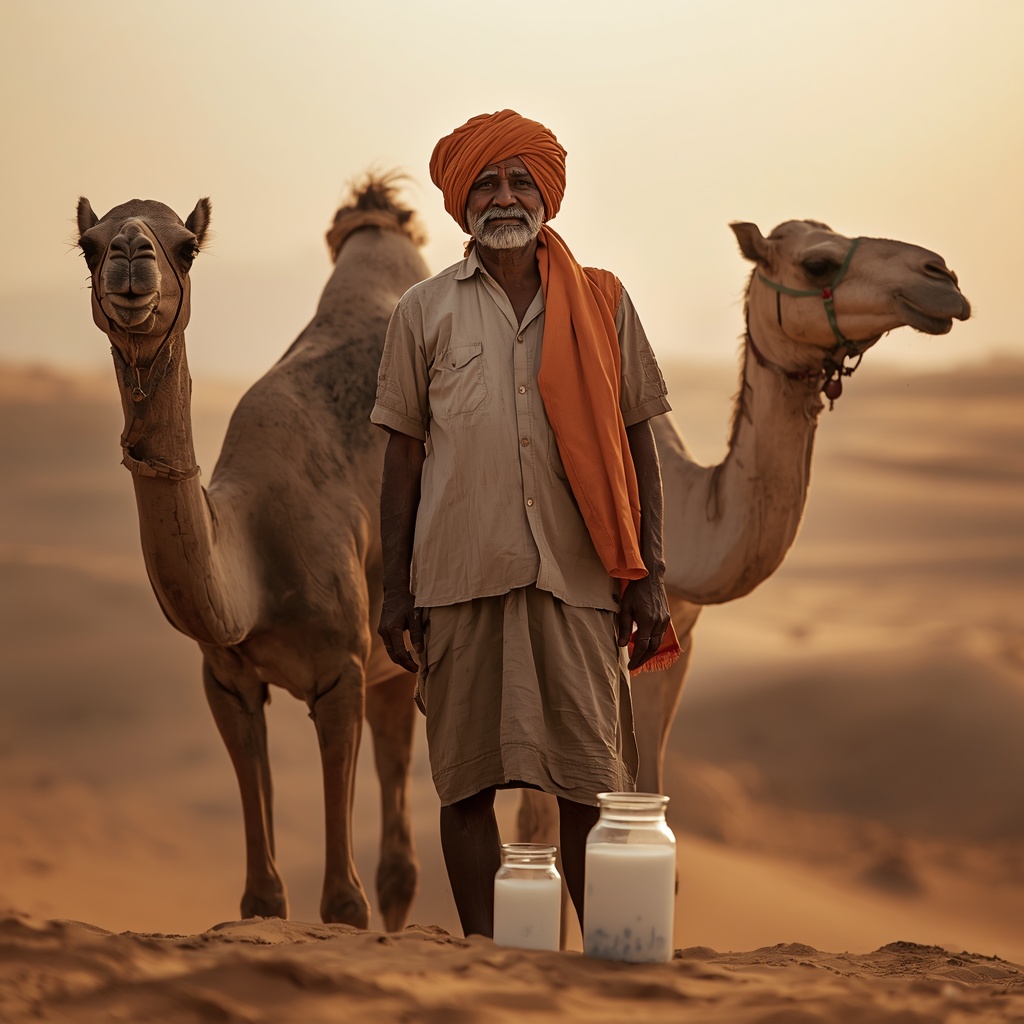
In 2017, Aakriti Srivastava was a journalism and mass communication student in Delhi who had been assigned to document the lives of pastoralists in the Thar Desert. She packed for a week. She stayed for seven years. What she found in Bajju village, a small settlement in Bikaner district near the India-Pakistan border, was a community whose entire existence was organised around an animal that India had slowly decided it no longer needed. The camel, once central to the economy and culture of Rajasthan, had been rendered economically useless by a combination of mechanisation, policy and indifference. The pastoralists who had herded these animals for generations were watching their livelihoods dissolve and seeing no realistic alternative on the horizon.
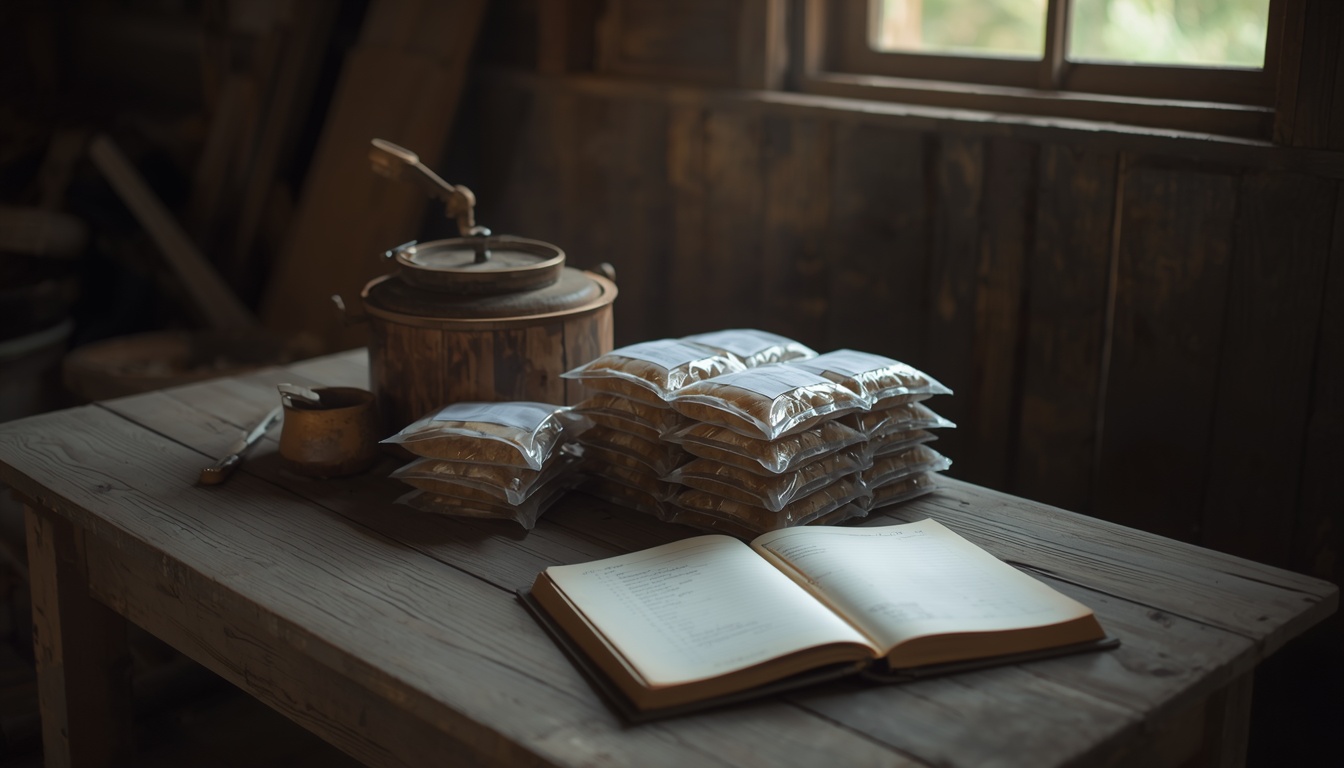
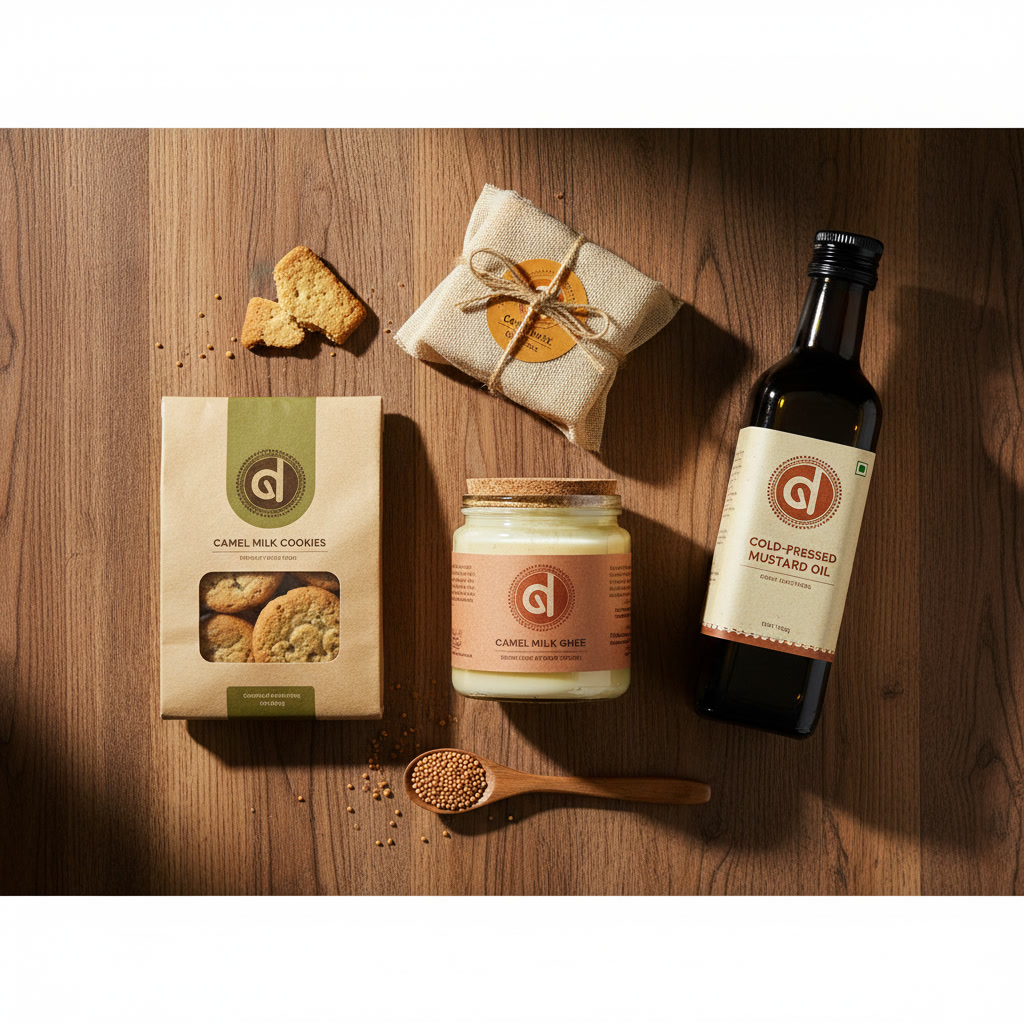
What began as a documentary shoot became a five-year research project and then, in May 2022, a company. Bahula Naturals, co-founded with Romal Singh and Suraj Singh, who she met during that original fieldwork, is a community-owned pastoral brand that sources all its raw materials from the desert regions of western Rajasthan. It processes and packages its products at its facility in Bajju. Its product range includes artisanal cheeses made from camel milk, a category it pioneered in India, along with camel milk ghee, cookies and packaged fresh camel milk. It also produces cow milk ghee using the traditional Bilona method, cold-pressed mustard and groundnut oils, black wheat flour, kasuri methi from Nagaur and moringa powder. The name Bahula means plurality in Hindi, and it reflects the company’s founding commitment to working with diverse farming and herding communities rather than extracting from any single one.
The word “community-owned” in that description is not a marketing phrase. It is a structural fact. Bahula is designed so that the people who produce its ingredients have a genuine stake in what happens to the value they create. For every ₹100 the company earns, approximately ₹65 returns directly to the communities through raw material procurement and employment generated along the value chain. Ninety-five percent of the team are young people from the same villages who have been trained and integrated into the company as micro-entrepreneurs, handling everything from milk collection and quality testing to logistics and digital receipt management. Pramila Devi from Beroo village in Jodhpur started with one Rathi cow seven years ago, not knowing how to milk it. Today she owns 50 cows and calves, and she runs the milk collection centre in her area with a computer, testing equipment and her own receipting system.
The context that makes Bahula’s work urgent rather than merely interesting is the story of what happened to India’s camels. Before 2015, camels were prized possessions in Rajasthan. They worked on farms, supported transportation and enabled tourism. Then came the Rajasthan Camel (Prohibition of Slaughter and Regulation of Temporary Migration or Export) Act, which, in attempting to protect the animal, inadvertently made it economically worthless to the people who kept it. You could not slaughter a camel or move it across state lines for sale. You could, however, keep feeding it through a drought at your own expense. Generations of Raika and Rabari communities, the traditional camel-herding peoples of western India, found themselves holding animals they could no longer profit from. India’s camel population declined by approximately 40% over the subsequent decade. The communities that had sustained these animals for centuries began to abandon the practice entirely.
Bahula’s answer was to create an economic reason to keep camels alive and productive. Camel milk is genuinely nutritional in ways that matter to a growing urban consumer base. It is beneficial for people with lactose intolerance. It contains insulin-like proteins that have been studied for their effect on blood sugar management. It has immunological properties that make it relevant in functional food conversations. And it is not yet widely available in India, which means the market Bahula is entering is one it is largely building from scratch rather than competing inside. Camel milk artisanal cheese did not exist as a commercial category in India before Bahula created it. The challenge, as Srivastava has noted, is that creating a new food category requires not just a good product but a sustained education effort to bring consumers to a purchase decision they were never previously considering.
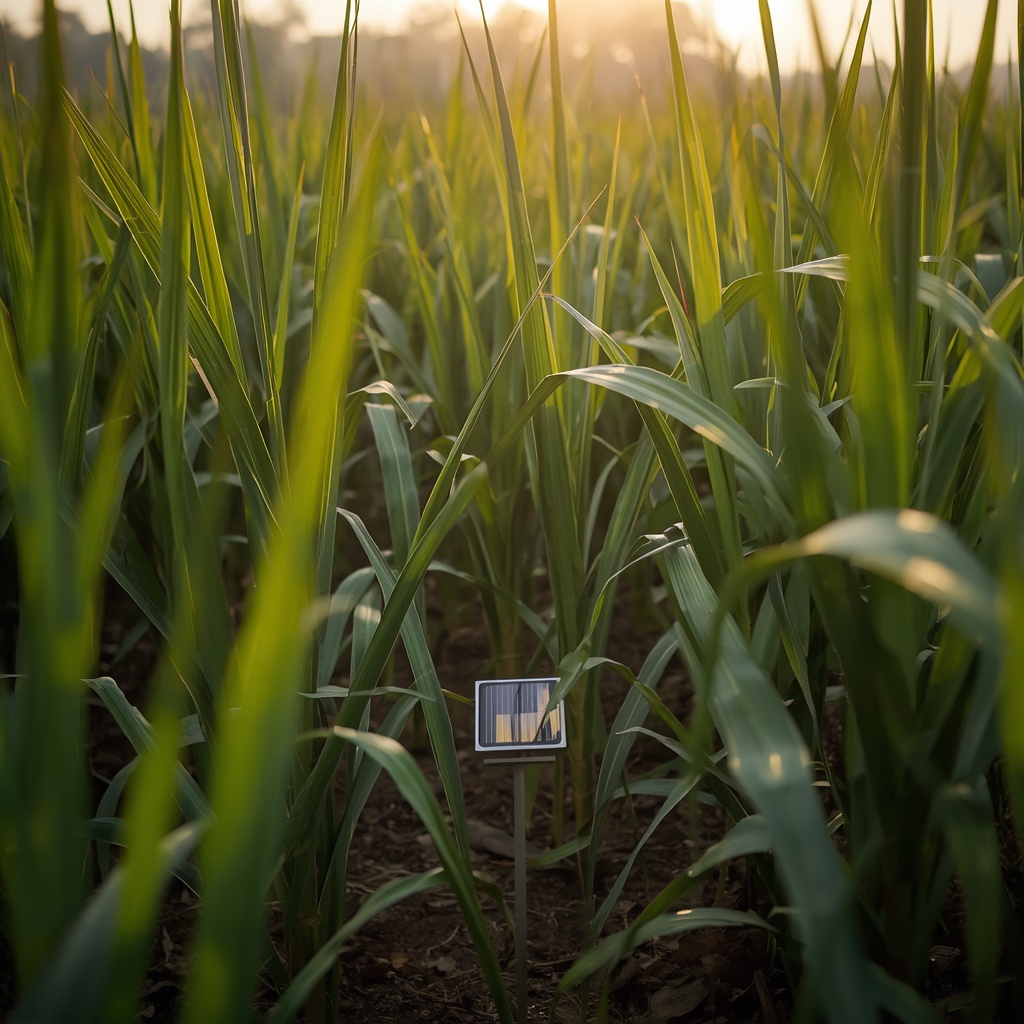
The infrastructure Bahula has built is as important as the products themselves. The company operates eight solar-powered instant milk chilling units in remote locations across Bikaner and Jodhpur, each capable of bringing milk temperature down to four degrees within three minutes. The processing facility in Bajju has a daily capacity of 7,000 litres. All of this runs on renewable energy, making Bahula’s supply chain genuinely net-zero from farm to factory. Manure collected from the villages goes into biogas plants, and the entire fodder supply challenge that historically plagued desert dairying has been partially addressed through partnerships with hydroponics startups that set up fodder-growing stations inside the communities, reducing the need for women and children to travel long distances to collect animal feed.
The partnerships Bahula has secured are a measure of how seriously the model is being taken outside the startup ecosystem. The company is the official partner of the Rajasthan Cooperative Dairy Federation, through the Saras brand, for the distribution of pasteurised camel milk in pouches across Rajasthan. This public-private partnership gives Bahula distribution infrastructure at a scale it could not build independently and gives Saras a genuinely differentiated product in a state where dairy is deeply culturally significant. Women on Wings, an international development organisation, entered a partnership with Bahula in 2024 specifically to co-create more employment opportunities for rural women along the value chain. The Ethiopian President has recognised Srivastava’s work and expressed interest in replicating the model in Africa.
Bahula is not a large company by any conventional measure. It does not have a unicorn valuation or a Bessemer term sheet. It has 4,000 households, eight solar chillers, one processing unit, a product range that a growing number of health-conscious Indian consumers are discovering, and a founder who gave up a conventional life in Delhi to live in a village near the Pakistan border because she believed the people there deserved better than invisibility. What Bahula represents, beyond its own operations, is a proof of concept for a model of economic development in India’s most overlooked regions that is community-led, environmentally accountable and commercially viable. Whether it can scale without losing those qualities is the most important question it faces. So far, every answer has been encouraging.