
Delhi EV Policy 2026 Approved: Petrol Two Wheeler Registration Ban from 2028, Rs 15000 Crore Investment Plan
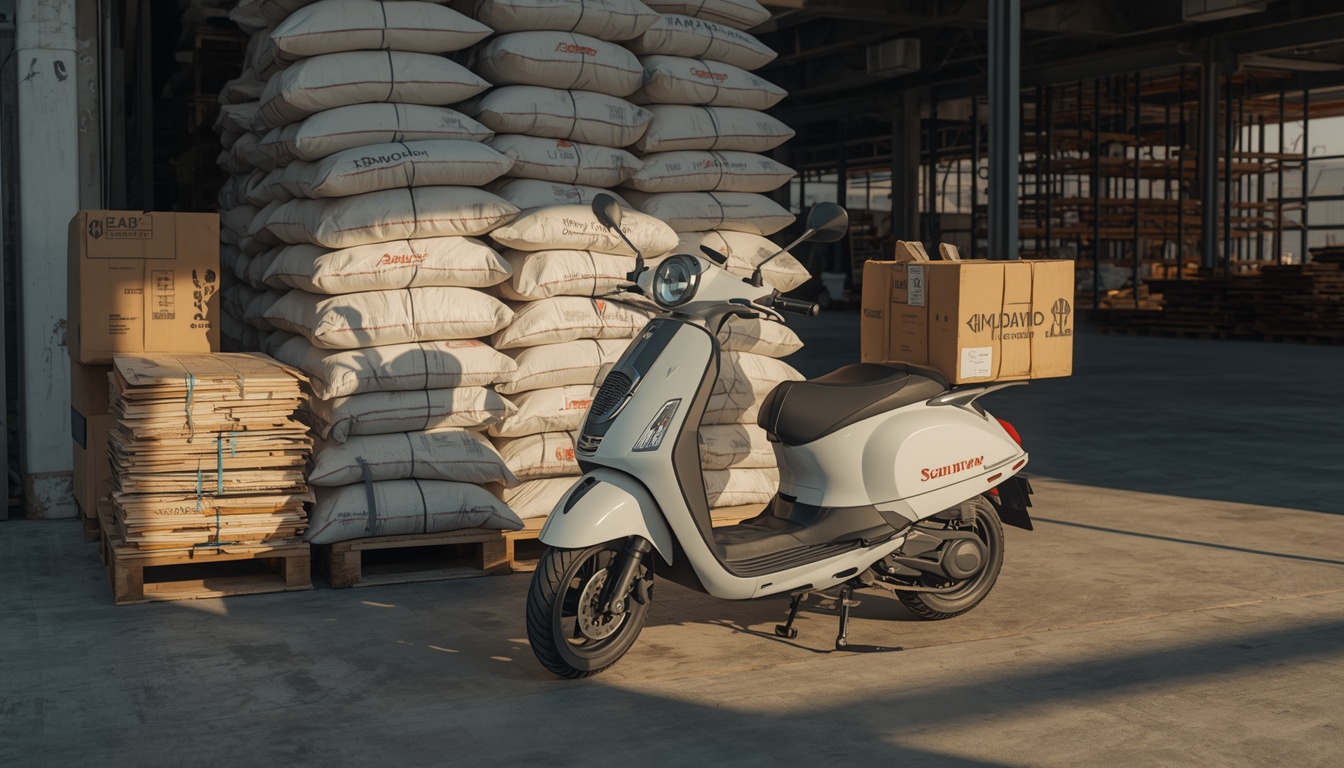
April 1, 2028. That is the day Delhi stops registering new petrol scooters and motorcycles for good. The new EV policy carries Rs 15,000 crore and a hard deadline, and it is forcing every two-wheeler maker in India to recalculate its roadmap.
- The Delhi government has approved its EV Policy 2026, effective July 1, 2026 and valid until March 31, 2030, with around Rs 15,000 crore in planned investment.
- No new petrol or CNG two-wheelers will be eligible for registration in Delhi from April 1, 2028, making it the first major Indian state to set a firm deadline.
- Electric two-wheelers priced up to Rs 2.25 lakh ex-showroom qualify for purchase incentives starting at Rs 30,000 in year one, tapering to Rs 20,000 in year two and Rs 10,000 in year three.
- An additional Rs 10,000 scrappage incentive applies for buyers replacing a BS-IV or older two-wheeler with a new electric model, transferred directly through Direct Benefit Transfer.
- Two-wheelers and three-wheelers currently account for roughly 46% of Delhi’s vehicular pollution, while commercial goods vehicles contribute around 33%.
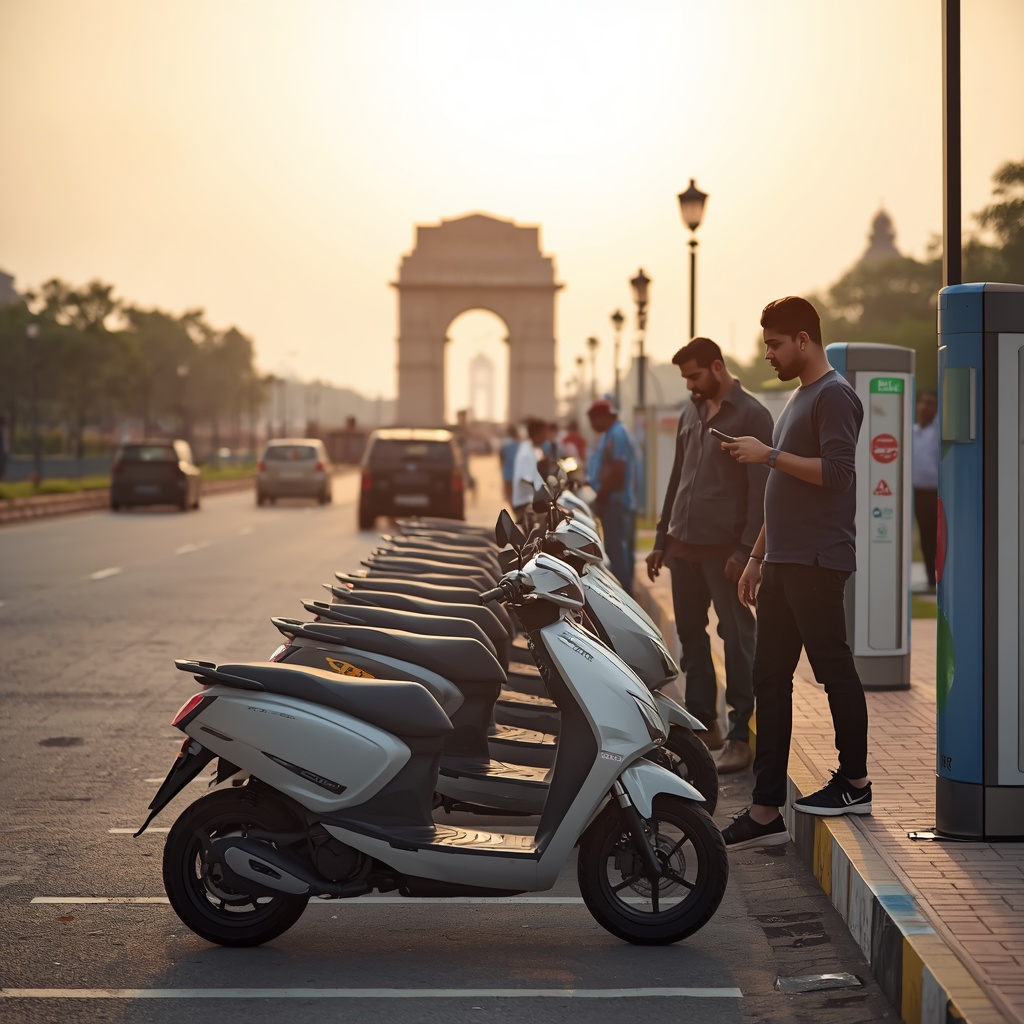
- The Delhi government plans to install over 30,000 EV charging points across the city by March 2030, expanding from approximately 9,000 currently in place.
Most government policies announce intentions. This one announces an ending. Buried inside Delhi’s newly approved EV Policy 2026 is a single sentence that carries more long-term consequence for India’s two-wheeler industry than almost anything else in the document: from April 1, 2028, no new petrol or CNG two-wheeler will be eligible for registration anywhere in the national capital. Not restricted. Not discouraged. Simply no longer permitted as a new registration. Existing owners keep their vehicles. But the door for buying a new petrol scooter or motorcycle in Delhi closes in under two years.
Chief Minister Rekha Gupta announced the policy’s approval this week, confirming that it takes effect from July 1, 2026 and remains in force until March 31, 2030, backed by an estimated Rs 15,000 crore in government investment over the next four years to support adoption and charging infrastructure. The policy is a successor to Delhi’s original 2020 EV framework, which set ambitious early targets but ultimately fell short of its most aggressive milestones. The 2026 version is built differently, leaning less on aspiration and more on a structured combination of declining subsidies, hard registration deadlines and direct financial transfers designed to make the economic case for switching impossible to ignore for the buyer it is most squarely targeting: the everyday two-wheeler commuter and delivery rider who makes up the overwhelming majority of Delhi’s vehicle population.
That targeting is deliberate and grounded in Delhi’s own pollution data. According to the Delhi Transport Commissioner, two-wheelers and three-wheelers together contribute approximately 46% of the city’s vehicular pollution, while commercial goods vehicles account for roughly 33%. Two-wheelers alone make up nearly 67% of Delhi’s total registered vehicle population. Put those two numbers together and the logic of the policy becomes clear: if Delhi wants to meaningfully move its air quality numbers, it cannot focus primarily on passenger cars, however visible they are in public conversation. It has to go after the much larger, much more dispersed population of scooters and motorcycles that the city’s residents actually rely on for their daily commute.
The subsidy structure itself is engineered around a specific behavioural insight: urgency decays. The policy offers up to Rs 30,000 per electric two-wheeler in its first year, calculated at Rs 10,000 per kilowatt hour of battery capacity. That figure tapers to Rs 20,000 in year two and Rs 10,000 in year three. The declining structure is not incidental. It is the entire mechanism by which the policy hopes to compress adoption into the early years rather than letting demand spread evenly across the four year window, front-loading the financial incentive precisely when Delhi most needs to accelerate the base of EV owners before the harder 2028 registration deadline arrives. A buyer weighing whether to switch now or wait two years faces a straightforward arithmetic problem: waiting means a smaller subsidy and, eventually, no choice at all once the petrol registration window closes.
Eligibility has also been deliberately capped to keep the incentive structure honest about who it is meant to serve. Only electric two-wheelers with an ex-showroom price up to Rs 2.25 lakh qualify, a ceiling designed to direct public money toward mass-market, affordable models rather than premium electric motorcycles that wealthier buyers would likely purchase regardless of subsidy. An additional Rs 10,000 scrappage incentive applies when a buyer trades in an older BS-IV or earlier petrol or CNG two-wheeler for a new electric one, transferred directly to the beneficiary’s account through Direct Benefit Transfer rather than routed through dealers, reducing the leakage and delay that has historically plagued subsidy disbursement in India.
The industry reaction so far has split along predictable lines. Pure-play electric two-wheeler manufacturers, Ather Energy with its Rizta and 450 series, Ola Electric with the S1 and Roadster X, view the policy as direct validation of a business model they have spent years betting on. But the more telling reaction comes from the legacy players, TVS Motor, Bajaj Auto and Hero MotoCorp, all of whom built their dominant market positions on petrol engines and are now accelerating their own electric line-ups, the iQube, the Chetak EV, the Vida V2, specifically to remain relevant once Delhi’s registration deadline arrives. A policy decision in one city, however large, has effectively forced a national repricing of risk across an entire manufacturing sector that has historically moved at the pace of multi-year product cycles, not municipal policy announcements.
The industry pushback worth taking seriously came from SIAM, the Society of Indian Automobile Manufacturers, which argued during the policy’s drafting period that BS6 Phase 2 petrol two-wheelers are already substantially cleaner than older models, and that incentivising the replacement of genuinely old, high-polluting BS-IV vehicles would deliver a larger air quality improvement than blocking the registration of brand-new, cleaner petrol models. It is a reasonable engineering argument, and one that highlights a real tension inside the policy: a hard ban on new petrol registrations treats all petrol two-wheelers as equally problematic, when the emissions gap between a 2026 BS6 Phase 2 scooter and a decade-old BS-IV model is, in practice, enormous. The Delhi government’s response, embedded in the policy’s separate and more generous scrappage incentives for older vehicles, suggests an attempt to address both problems simultaneously rather than choosing one lever over the other, but the tension between the two approaches has not fully disappeared simply because the policy now funds both.
The infrastructure commitment underpinning all of this, expanding charging points from roughly 9,000 today to over 30,000 by March 2030, is the quieter and arguably more consequential part of the policy, because subsidies alone cannot solve range anxiety and inconvenient charging access, the two practical objections that continue to slow EV adoption even among buyers who are economically convinced. Delhi has already registered over 86,000 electric vehicles since