
It's around 9 PM-ish.
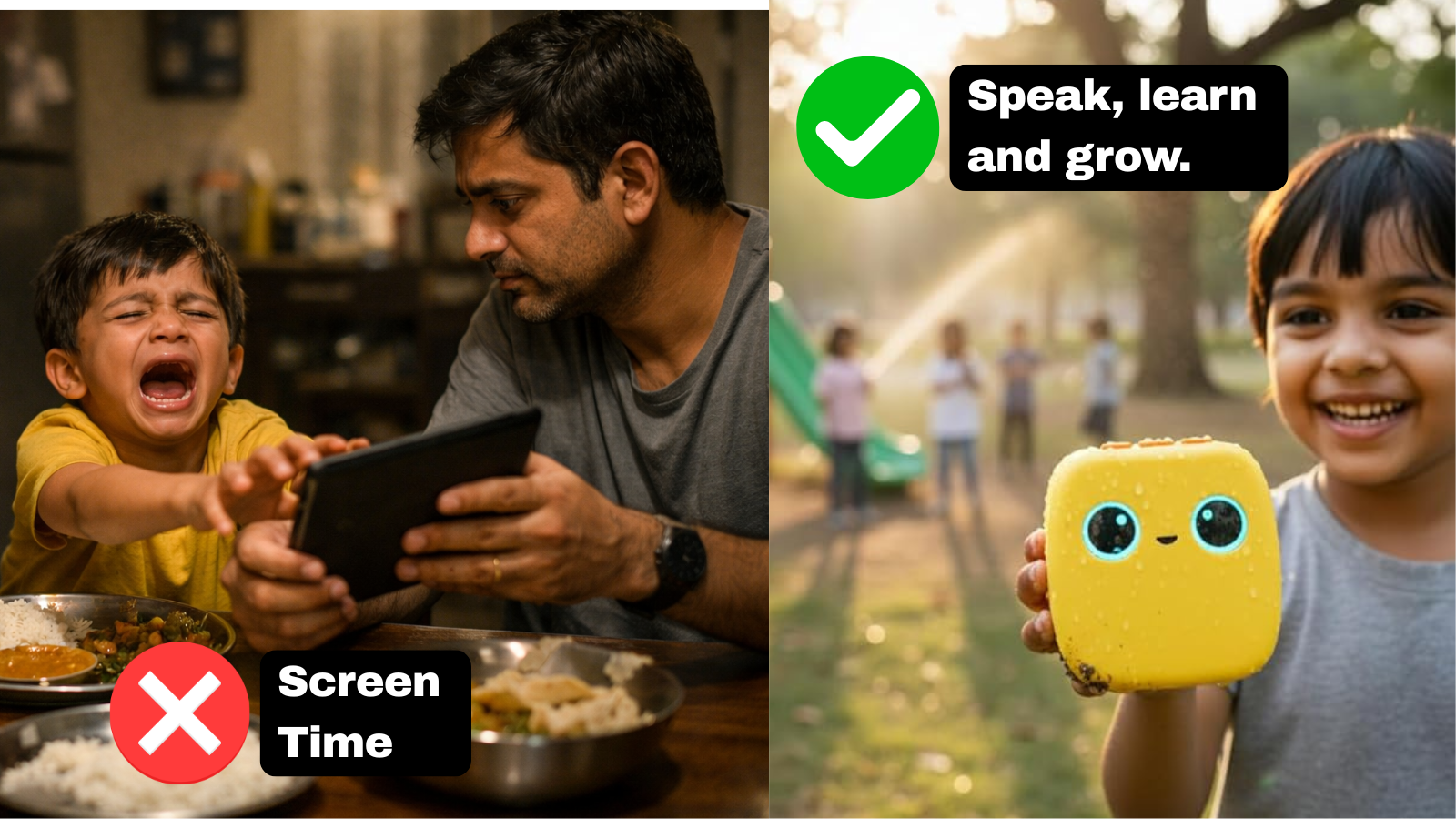
Dinner is finally on the table, slightly later than it should be. But your child will refuse to eat it – without the SmartPhone and YouTube.
Remember - how we got here?
You were once dead-against it.
You made one exception.
Then, it became occasional.
And now, screen-time and meals are inseparable.
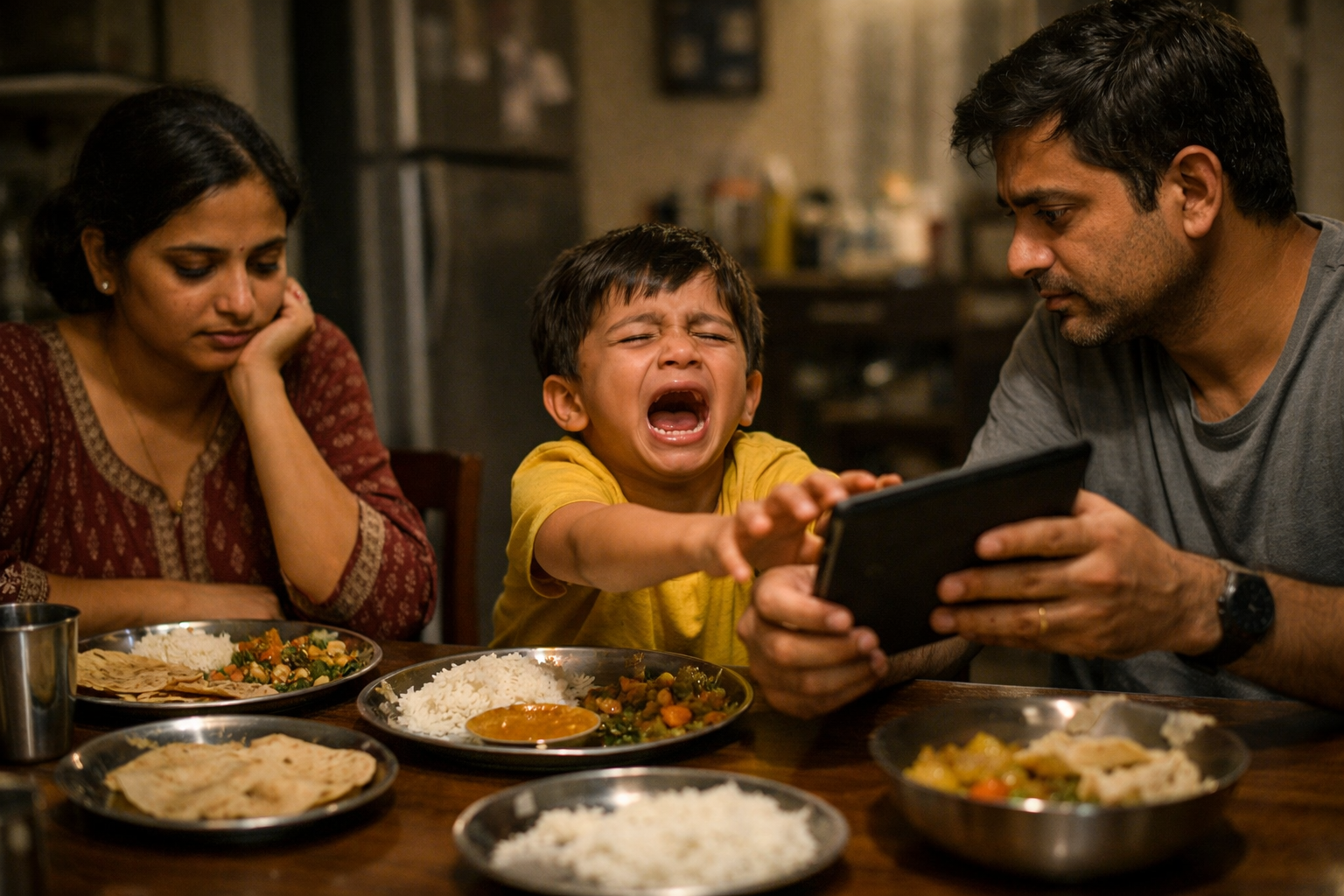
Except it's rarely just cartoons anymore. Somewhere in the last year or two, without much of a conversation about it, the content changed. It's not kid-shows with a clear beginning, middle and moral anymore.
It's Instagram Reels. YouTube Shorts.
Fifteen seconds, then the next fifteen seconds, then the next.
It feels sad to know that your five-year-old is being played by the same algorithm that keeps grown adults doom-scrolling at midnight.
That's the part that actually keeps parents up at night. Not the screen itself — the drift. A child who used to watch a story is now watching noise. Fast cuts, loud reactions, nothing that resembles learning, everything that resembles a slot machine.
For years, Indian parents have faced the same two bad options: hand over the phone, or fight a losing, exhausting battle against it at every single meal. Nobody wins that fight.
Least of all the child, who is growing up more fluent in swiping through a feed than in speaking, more comfortable with a stranger's reel than a story built for them.
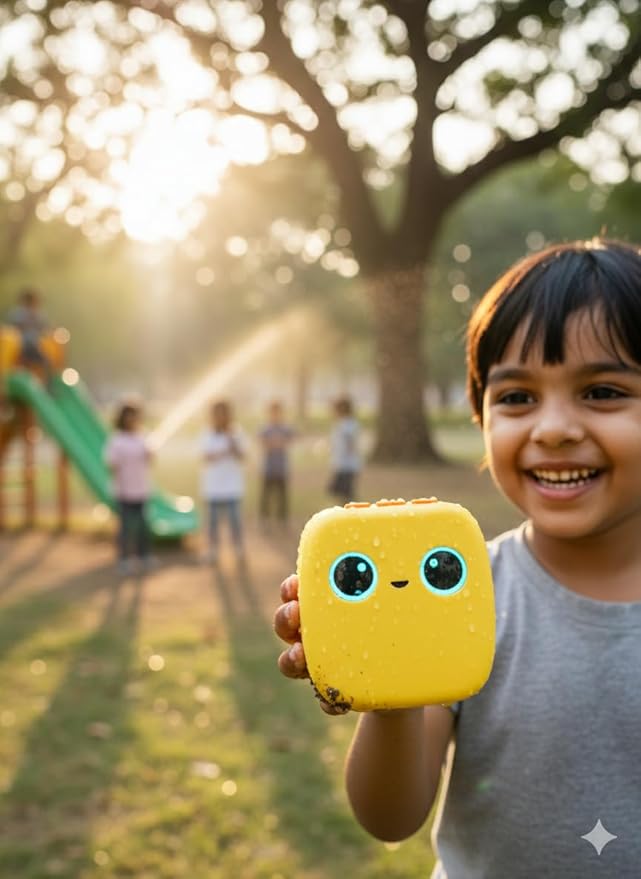
But somewhere in that gap, something quieter is happening. No screen. No Reels. No algorithm chasing a longer watch-time. Just a voice — one that talks back, asks questions, and somehow, knows exactly how old your child is without being told.
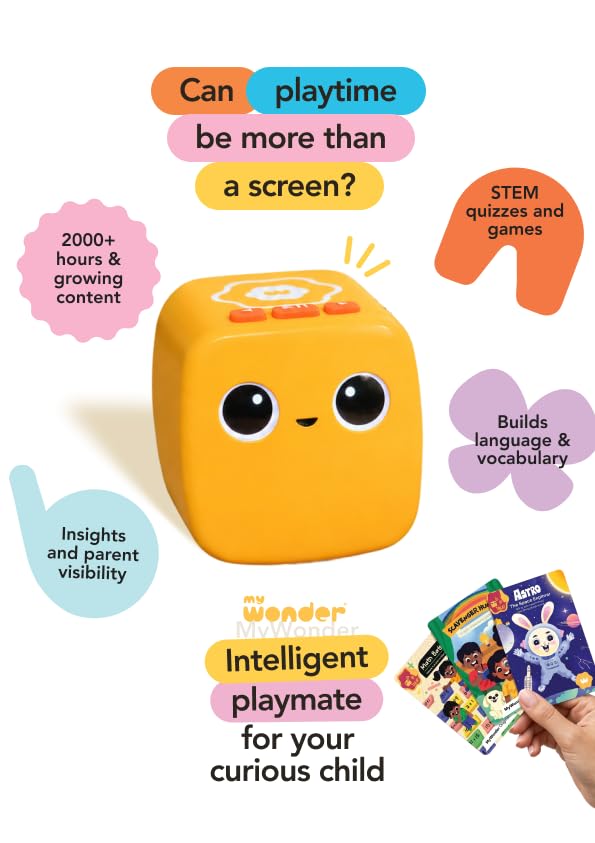
This is where MyWonder comes in.
Ask most parents what they picture when they hear "AI for kids," and they'll describe something clinical — a smart speaker answering trivia, a robotic voice reciting facts.
Functional, maybe. Warm, never.
MyWonder flips that entirely.Instead of a generic assistant waiting for a question, MyWonder gives children characters — an ensemble of personalities that a storyteller shapes, not an engineer.
There's Astro, a space explorer who pulls a child into an adventure among the stars. There's Matt Bizarre, who turns mental math into something closer to a duel than a drill.
The genius isn't in the novelty of talking toys — India has seen plenty of those. It's in who starts and guides the conversation.
"In Google Home's Kids Mode, the conversation is very assistant-like — the child needs to ask a question to get an answer," explains Chandramouli K, Co-founder and CTO of MyWonder.
"In MyWonder, the conversation is very child-friendly. The AI character comes alive and talks to the child... so the child doesn't need to know what to ask before they can start interacting."
Think about what that actually means for a three-year-old.
No prompt engineering.
No figuring out the "right" question.
Just a friend who already knows how to start playing.
It Grows Up With Your Child.
Every parent wonders, “will this still be useful in six months, or will my child simply discard this in a week?"
It's a fair question. Kids abandon toys.
They delete apps. Interest fades the moment a child feels talked down to.
MyWonder's answer to this is arguably its most important design decision — and the one least visible from the outside. The system doesn't just play pre-set content at a fixed difficulty.
It listens, tracks, and adjusts, almost like a teacher who has been watching your child for months, not minutes.
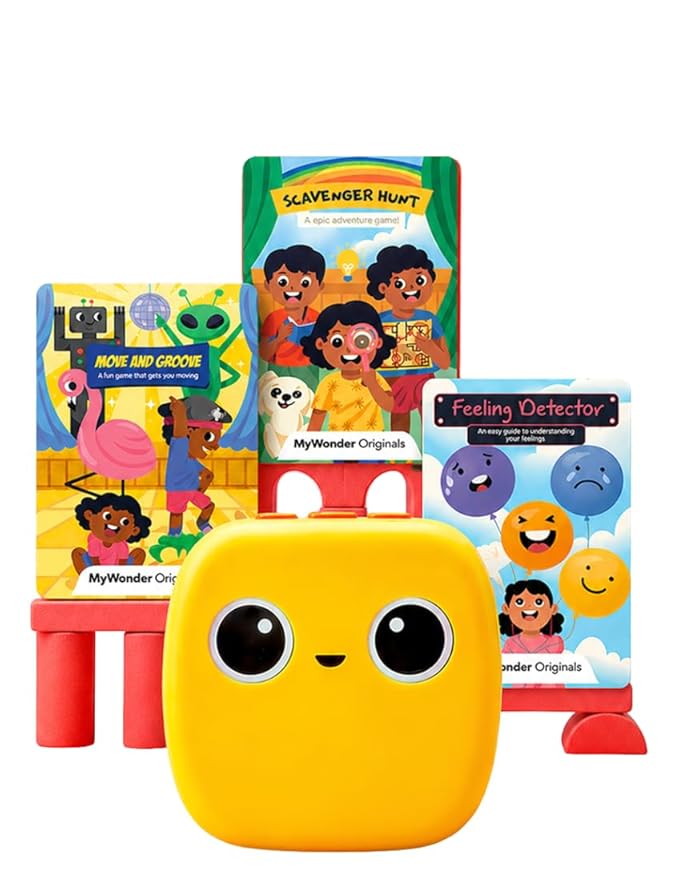
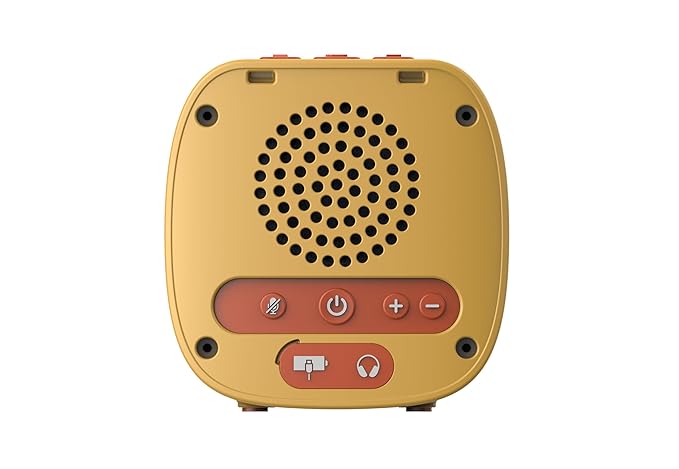
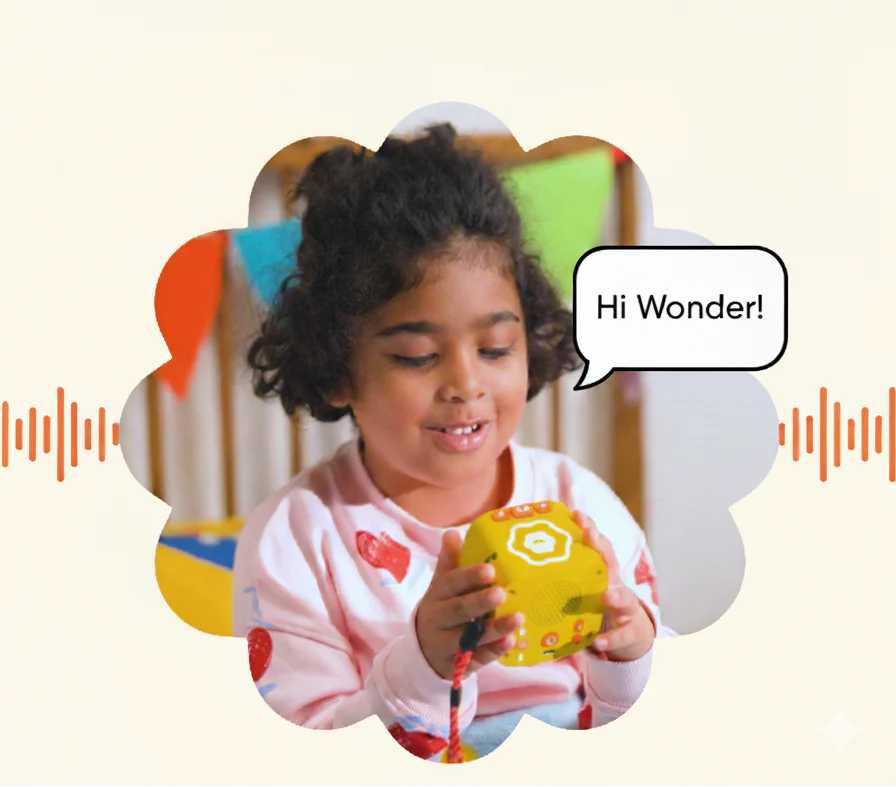
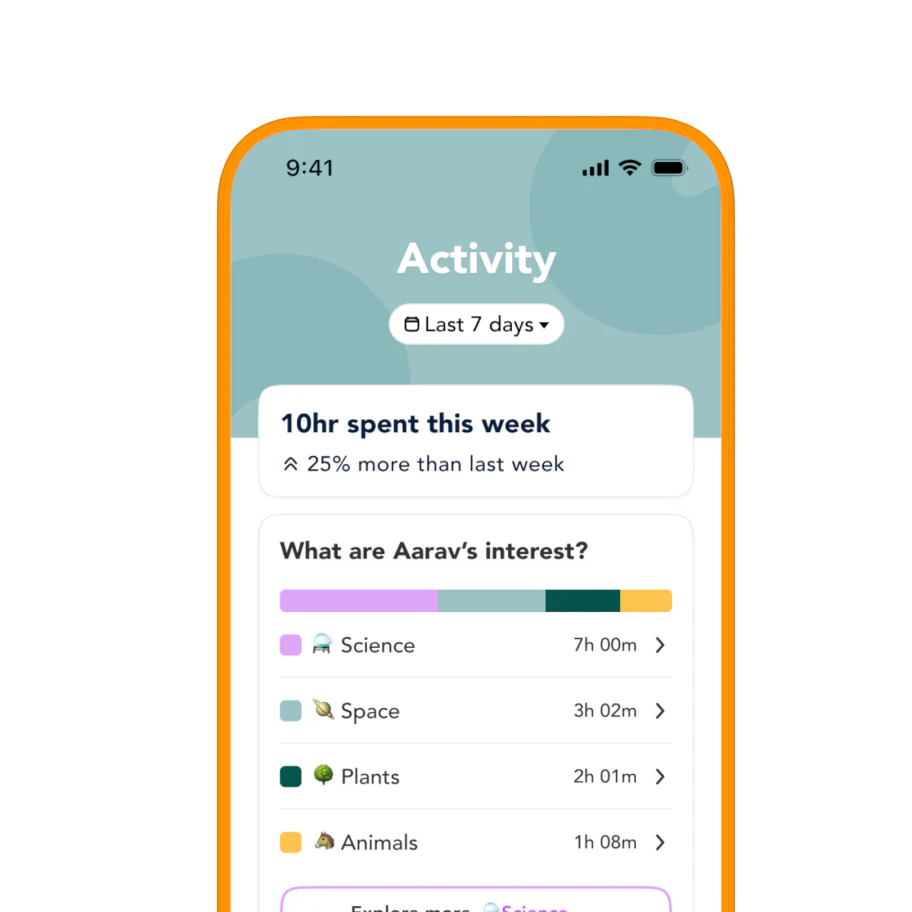
"MyWonder is an adaptive learning system," says Chandramouli. "As the child starts interacting with MyWonder, it learns what level the child is at — in terms of vocabulary, in terms of learning — and adapts the content to the child's level and age. As the child grows, the content and interactions grow along with the child."
And this isn't a slow, seasonal update either.
According to Chandramouli, the system recalibrates within four to five interactions — if a child breezes through a quiz correctly, the difficulty climbs almost immediately; if they stumble, it eases back, quietly, without embarrassment or comment.
No red marks.
No "wrong answer" buzzer.
Just a gentle recalculation, the way a good tutor would do it without ever making it obvious.
It's the difference between a toy that a child eventually outgrows, and a companion that keeps pace — sometimes even pushing a child slightly ahead of their own age level, if that's where their curiosity takes them.
But What About Safety? The Question Every Parent Actually Asks First
Let's be honest — no amount of charm matters to an Indian parent if the underlying worry remains: what if the AI says something it shouldn't?
This is, understandably, where scrutiny is highest.
Generative AI hallucinates. It hedges.
Sometimes it says things no one signed off on.
Handing that kind of unpredictability to a five-year-old is where most parents' aren't comfortable.
MyWonder's approach here is layered, almost stubbornly so.
The scripted content — quizzes, structured lessons, character-led activities — doesn't come from AI on the fly at all.
Child experts, educationists, and authors write and review it in advance, and they carefully categorize it by age and vocabulary level before a single child ever hears it.
The trickier part is the open-ended conversation — the moments when a child asks something unscripted, unpredictable, entirely their own.
For this, MyWonder runs real-time safety filters on every exchange. If a child veers into territory that isn't appropriate, the AI doesn't attempt an answer. It steps back, gently says it isn't able to talk about that, and redirects the child toward a parent.It's a small design choice with an outsized emotional payoff: a system that knows its own limits, and isn't afraid to say so.
The Real Story Isn't the Technology
Strip away the AI, the adaptive algorithms, the safety filters — and what's left is something almost old-fashioned: a child talking to a character who listens, responds, and grows alongside them, without a screen demanding their eyes.
For a generation of Indian parents caught between guilt and exhaustion, that might be the quiet revolution nobody saw coming — not less technology, but differently designed technology.
The future of play in India could be active, vocal, and screen-free.
It is a future where a child’s curiosity is met not by a glowing screen that demands they sit still, but by an intelligent companion that asks them to stand up, think deeply, and imagine wildly.