
Defence Tech Startup Unmannd Raises Two Million Dollars To Build Drones That Counter Aerial Threats Fast
Bengaluru startup Unmannd has raised two million dollars to build drones that fight other drones, betting that cheap, swarming aerial threats reshaping modern battlefields need smarter, faster, home built countermeasures rather than the expensive legacy systems armies have relied on for decades.
Highlights:
- Bengaluru startup Unmannd has raised 2 million dollars in a pre seed round led by Speciale Invest and Accel
- The company builds Titan, a heavy lift logistics drone, and Fury, an interceptor system
- Titan has reportedly been qualified for battlefield use by the Indian Army
- India’s defence market is projected to grow to 40 billion dollars by 2030
- Founders Yeshwanth Reddy and Hemaditya Prasad are both former defence engineers
Modern warfare has developed an uncomfortable arithmetic problem in recent years. A drone costing a few thousand dollars can force a defender to fire a missile costing hundreds of thousands, or simply overwhelm defences built for a different, more expensive era of aerial threats entirely. Bengaluru based startup Unmannd was built specifically to fix that imbalance, and investors have just backed that bet with fresh capital.
Unmannd has raised 2 million dollars, roughly Rs 17.7 crore, in a pre seed funding round led by Speciale Invest and Accel, a notably large early stage check for a company that is barely a year old.
The startup was founded in February 2025 by Yeshwanth Reddy and Hemaditya Prasad, both former defence engineers who set out to build what Reddy describes as drones smarter than those of any adversary, positioning the company squarely within India’s rapidly expanding defence manufacturing sector, where unmanned systems have been explicitly designated a priority category by policymakers.
The company’s product line splits into two fairly distinct problems, moving things and stopping things.
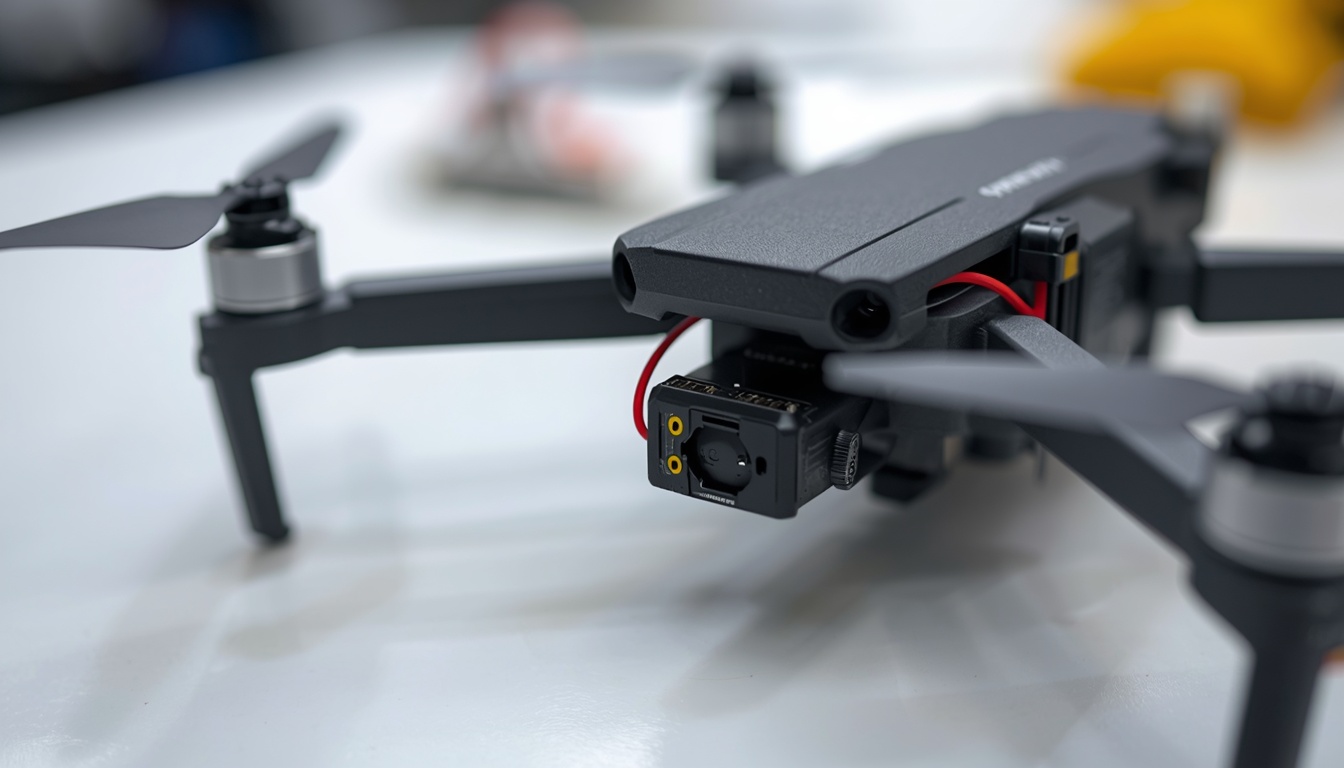
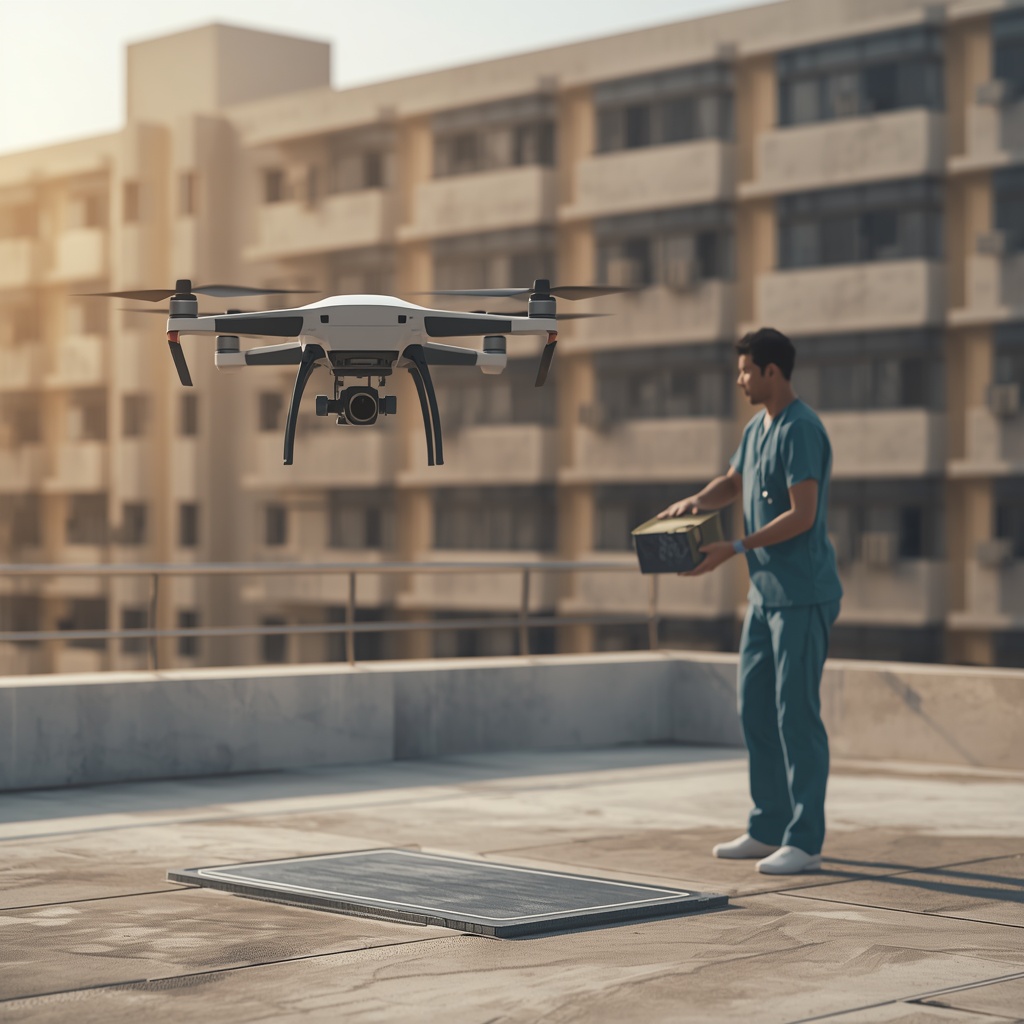
Titan, Unmannd’s flagship product, is a heavy lift logistics drone capable of flying at altitudes up to 20,000 feet while carrying a payload of up to 30 kilograms, designed for supply and logistics missions in difficult terrain where conventional transport struggles.
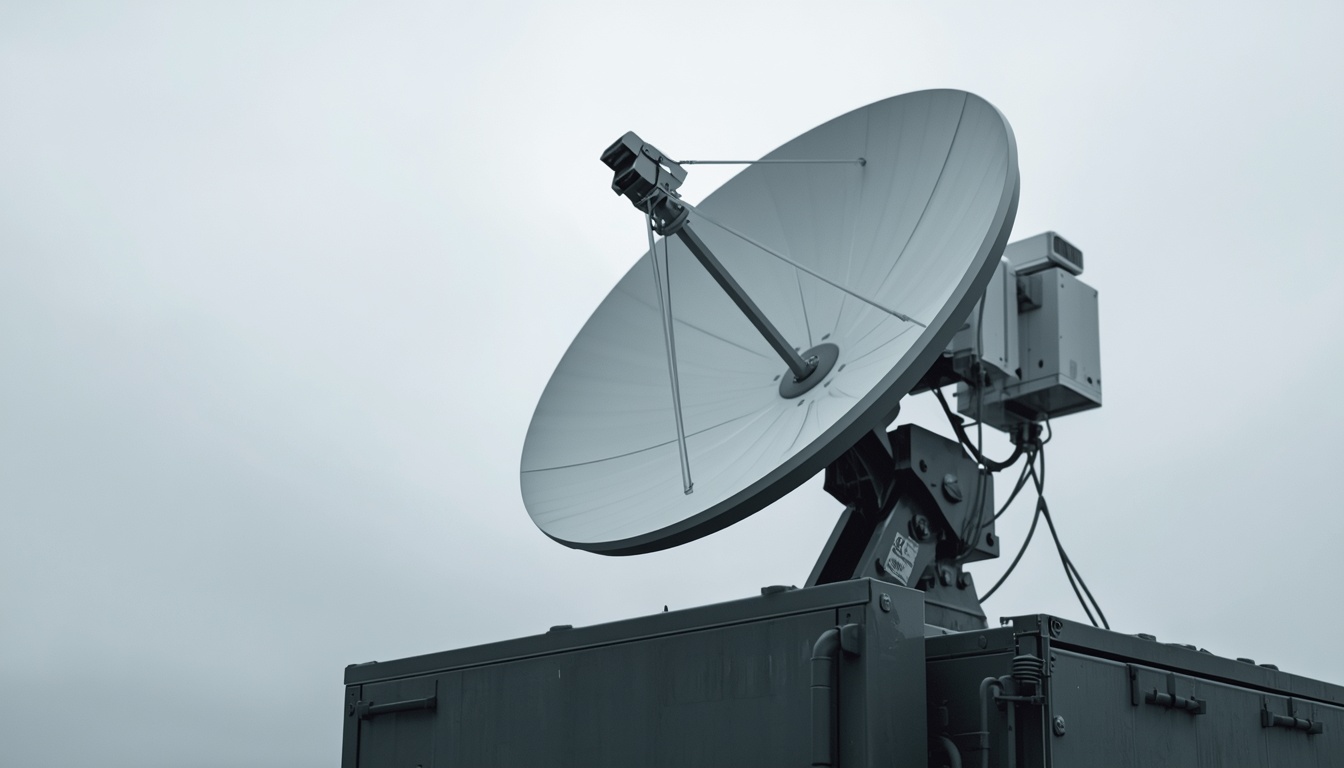
Fury, the company’s second product, takes on a very different job. It is an unmanned aerial system interceptor built to counter hostile drones, reportedly able to detect threats from as far as 30 kilometres away and deploy interceptors at speeds up to 300 kilometres per hour, an aerial security layer built specifically for the kind of cheap, swarming drone threats that have become a defining feature of recent conflicts.
Reddy has been direct about the strategic thinking behind this dual focus, arguing that the future of defence and security fundamentally comes down to which side is building drones that are smarter than the other’s, powered by AI driven decision making and coordination across multiple aerial agents at once.
Perhaps the most notable claim attached to this funding round is one around real world validation rather than lab testing. According to the company, Titan was certified as qualified for battlefield use by the Indian Army in August, a credential that, if it holds up through procurement processes, would be a meaningful achievement for a company operating for barely six months at the time.
Fury, by comparison, remains earlier in its development path, with the company targeting a launch in the first quarter of 2026, moving the interceptor from proof of concept toward actual deployment readiness.
The market context behind this funding is worth sitting with for a moment. India’s broader defence market is projected to grow from 27 billion dollars in 2025 to 40 billion dollars by 2030, with nearly 19 billion dollars of that expansion expected to be driven specifically by newer technology categories including artificial intelligence, autonomous systems, and quantum computing.
That growth has been accelerated by a mix of geopolitical and economic pressure. Trade tensions and pandemic era supply chain disruptions pushed India toward a renewed emphasis on defence self reliance, creating space for homegrown startups to compete for contracts that might once have gone almost automatically to established international suppliers.
Unmannd is far from alone in chasing this opportunity. Startups including IG Drones and Tonbo Imaging have already demonstrated their products in live operational settings earlier this year, while Raphe mPhibr, a considerably more established player in the space, raised 100 million dollars at a 900 million dollar valuation in a round led by General Catalyst, underlining just how much institutional capital is now flowing into India’s defence drone sector specifically.
Vishesh Rajaram, managing partner at Speciale Invest, framed the firm’s investment around Unmannd’s demonstrated ability to build and execute drone operations across critical sectors in both India and Southeast Asia, positioning the team as well suited to the scale of challenge the sector now demands.
Alongside commercialising Titan and advancing Fury toward deployment, Unmannd says the fresh capital will also go toward expanding its engineering team and preparing for international export readiness, with the company specifically eyeing early opportunities to sell into allied nations rather than confining its ambitions to the domestic Indian market alone.
It is worth applying a fairly measured lens to a story like this, one built substantially around early, unaudited claims rather than years of demonstrated operational history. A pre seed round of 2 million dollars, while large relative to typical early stage checks in this specific sector, is still a very small amount of capital in absolute defence industry terms, particularly set against the scale of investment a company like Raphe mPhibr has already secured at a considerably more mature stage.
The claim that Titan has been qualified for battlefield use by the Indian Army is significant if accurate, but qualification and full scale procurement are two very different milestones, and defence procurement processes in India, as in most countries, tend to move considerably slower and with far more rigorous testing than a single qualification announcement might suggest to outside observers.
Fury, the more strategically distinctive of the company’s two products given how urgently militaries worldwide are now searching for effective counter drone systems, remains pre launch, meaning its real world performance against the kind of low cost, swarming threats it is designed to counter has not yet been publicly demonstrated at any meaningful scale.
There is also a broader industry dynamic worth acknowledging honestly. India’s defence tech startup space has become genuinely crowded and well funded extremely quickly, driven by a combination of real strategic need and considerable investor enthusiasm for a sector that offers both patriotic framing and the promise of large government contracts.
That combination can produce genuine breakthroughs, but it can just as easily produce a crowded field of similarly positioned young companies competing for a finite number of actual defence contracts, where execution track record, manufacturing scale, and the ability to navigate India’s notoriously complex defence procurement bureaucracy will likely matter far more over the next several years than any single funding announcement or early qualification claim.
Whether Unmannd becomes one of the companies that actually converts early government interest into durable, large scale contracts, or finds itself one of many well funded but ultimately smaller players in an increasingly crowded field, will depend far less on this initial pre seed round and considerably more on how Fury performs once it actually reaches deployment, and how consistently Titan’s battlefield qualification translates into the kind of repeat procurement that turns an early stage startup into a genuine defence manufacturing company.