
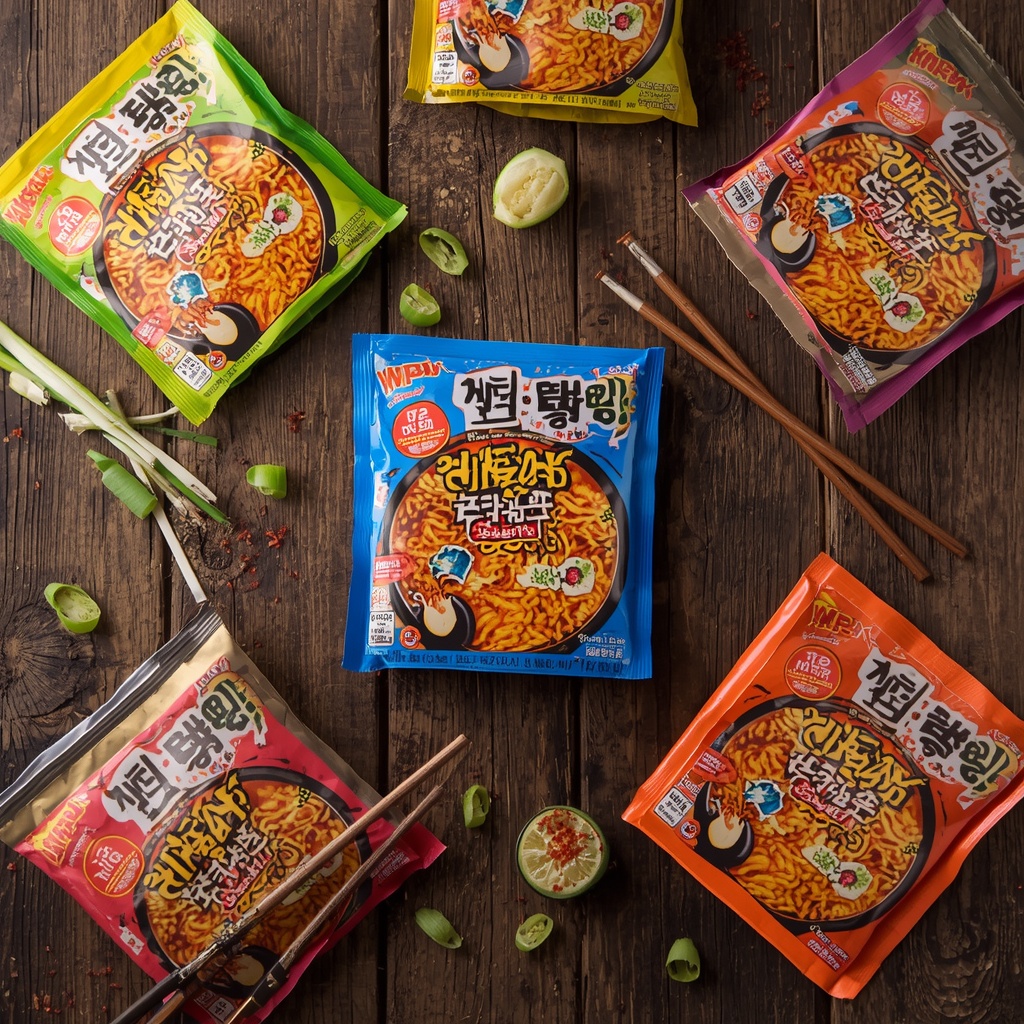
Gimi Michi Korean Ramen India Startup Raises Seed Funding from India Quotient 2026
Gimi Michi, a Korean ramen startup born from an MBA classroom and backed by India Quotient and angel investors including Kunal Bahl and Rohit Bansal, is turning a cultural wave into a consumer brand priced between Maggi and Shin Ramyun.
The signal that convinced Nishank and Akhil, then final-year students at IIM Ahmedabad, to drop corporate careers and start a ramen company was not a market research report. It was roadside hawkers making Korean ramen on the streets of Ahmedabad. If a dish is being sold on street corners, it has made it into the culture. That observation became the founding thesis of Gimi Michi.
Gimi Michi was built on the founders’ recognition that although Korean culture and cuisine were gaining immense popularity in India, authentic Korean ramen remained largely inaccessible. Imported products were expensive, while local options often compromised on taste and authenticity. The brand was created to bridge this gap and deliver real Korean flavours without the premium price tag.
The numbers behind the intuition are compelling. According to Nielsen, the Korean noodles segment in India surged from Rs 2 crore in 2021 to over Rs 65 crore by 2023. That is a thirty-fold increase in two years, driven largely by K-pop, K-dramas, and an entire generation of young Indians who have grown up consuming Korean content digitally and now want to consume Korean food physically.
Gimi Michi received a Rs 14 lakh grant from IIM-A and then raised Rs 3.5 crore in a seed round led by India Quotient, with DeVC, Kunal Bahl, and Rohit Bansal also participating. Bahl and Bansal, the co-founders of Snapdeal turned active angel investors, bring both consumer brand experience and distribution networks that an early-stage food company would struggle to build on its own.
The first flavour dropped in April 2025, the second came in June, and three more followed in December. Products are currently available through the brand’s official website as well as Amazon and Flipkart, with pan-India shipping. The brand also has a physical retail presence, but interestingly not in metro cities. Instead, its physical footprint extends to eastern states like Jharkhand, West Bengal, Chhattisgarh, and Uttar Pradesh.
That geographic quirk is actually a clue to where the opportunity lies. Tier 2 and Tier 3 markets in India often discover food trends later but adopt them faster and more deeply, especially when prices are accessible. At Rs 50 per packet, Gimi Michi is priced roughly twice the price of Maggi and about a third of the price of Shin Ramyun and Buldak. That positioning is deliberate: it makes the brand aspirational enough to feel premium but cheap enough to buy on a whim.
The challenge ahead is scaling production without losing the authenticity that is its entire value proposition, while navigating a category that is attracting more players with deeper pockets. Korean-style noodles have already caught the attention of larger FMCG players, meaning Gimi Michi will need to build brand loyalty faster than its competitors can build distribution. The Rs 3.5 crore seed round buys runway, not dominance. The real test begins now.