

91Trucks Layoffs 2026: Commercial Vehicle Startup Cuts 70% Workforce and Shuts Stores Amid Growth Slowdown
Three months after acquiring two platforms to accelerate growth, 91Trucks is retreating fast. The Gurugram startup laid off 100 people, shut two dozen stores, and is now a team of 50 trying to stay alive on a fraction of its former ambition.
In March 2026, 91Trucks was acquiring companies. In June 2026, it is letting people go by the dozen and closing stores that it opened only months before. The speed of the reversal is what makes the 91Trucks story more than just another startup layoff announcement. It is a case study in how quickly an offline-heavy model can come apart when the underlying market softens and the capital needed to sustain it stops arriving on schedule.
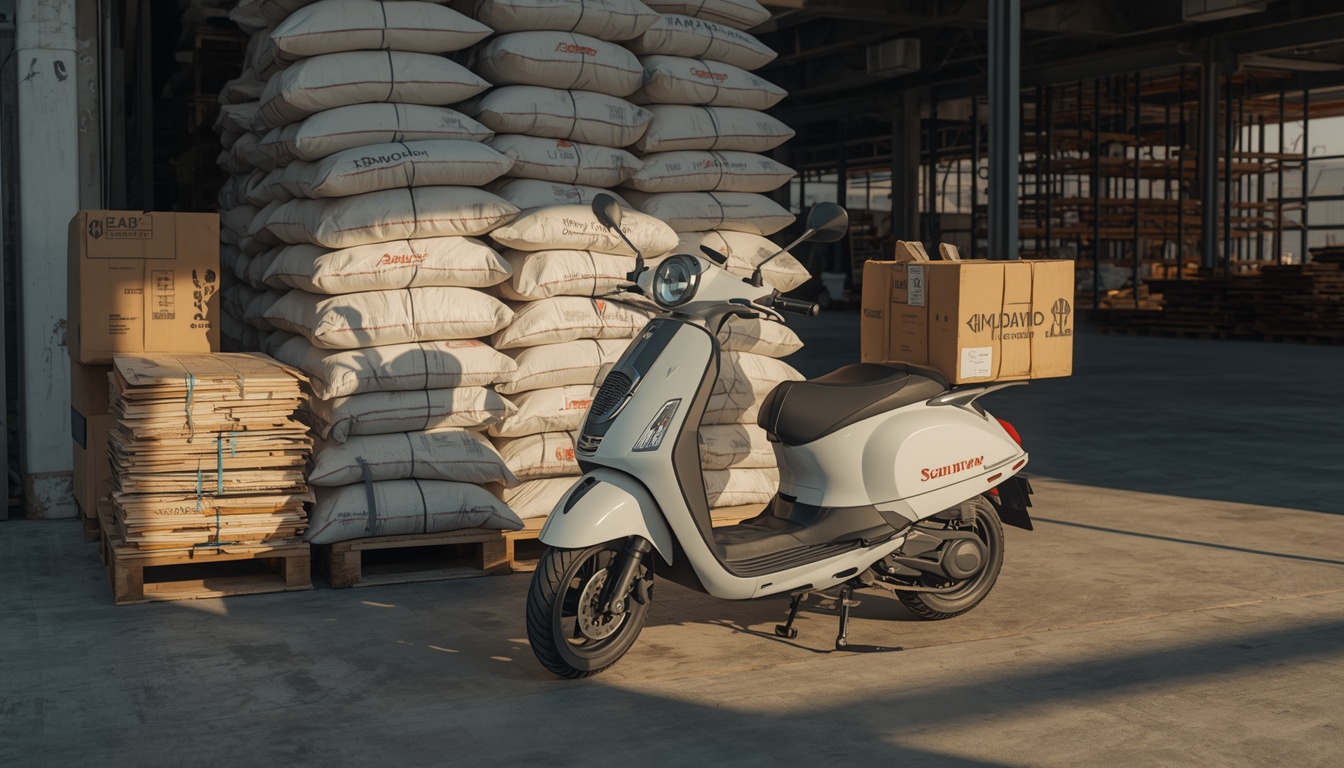
Founded in 2022 by Siddharth Sharma, Abhishek Gautam and Vikas Sharma, 91Trucks positioned itself as a full-stack commercial vehicle marketplace, listing trucks, buses and three-wheelers while offering dealer connections, financing and insurance support. It opened physical stores across Delhi-NCR and expanded into Southern India and Madhya Pradesh. In May 2025, it raised $5 million in a Series A led by Arkam Ventures, with Titan Capital, Sparrow Capital and Atrium Angels participating, at a valuation of approximately $33 million. The raise was seen as validation of the physical-plus-digital model. The company pushed forward with confidence.
In March 2026, it acquired Motorfloor and Trucksfloor, two commercial vehicle information platforms operated by Indiyanet, in a move aimed at quickly consolidating the category. It was an aggressive play, the kind of acquisition that signals a company expects to be raising its next round soon and wants to show accelerating momentum before that conversation begins.
The next round never came in time. According to sources close to the company, 91Trucks had entered early discussions for approximately $10 million in fresh funding. But the offline stores were burning cash at a rate that made waiting for that round dangerous. The commercial vehicle segment had also begun to slow, squeezed by persistent fuel price pressure that was eating into the margins of the small transport operators and truck owners who form the core customer base in tier-2 and tier-3 markets. Growth targets for the preceding six months had not been met. The business needed to stop the bleed before it could make the case for new capital.
The decision to cut deeply and cut fast reflects a calculation that a lean 50-person team focused on North India is a more fundable story than a 150-person company burning through cash across multiple geographies simultaneously. Whether that calculation is correct depends entirely on whether the reduced operation can demonstrate positive unit economics quickly enough to raise the $10 million it still needs.
The 91Trucks story belongs to a broader pattern that India’s startup investors have been watching closely through 2025 and into 2026. Capital-heavy models with significant offline infrastructure, stores, physical inventory, or last-mile operations, have been among the hardest hit as investors have moved their preference firmly toward asset-light businesses with a clear line of sight to profitability. Expansion that would have been applauded in 2022 looks like overreach in 2026. The company is not finished. But the version of 91Trucks that existed in February is not the one that exists today, and the gap between those two versions is where the real story lives.