

KshatraLabs Raises Pre Seed Funding To Build HAWK, An Autonomous Counter Drone Interceptor For India’s Military
An Indian defence startup has secured early funding to build an autonomous interceptor capable of neutralising hostile drones in under five seconds, arriving right as India’s military places over a billion dollars in fresh counter drone orders.
Highlights:
- KshatraLabs raised a pre seed round backed by Finvolve and India Accelerator
- Its HAWK interceptor can neutralise hostile drones at speeds above 300 km/h
- Launch readiness for the interceptor sits under five seconds
- India’s military recently placed fresh counter drone orders worth 1.5 billion dollars
- The startup has completed hardware in the loop testing at 90 metres per second
- Competitors in the domestic market include Bharat Electronics, Zen Technologies and Paras Defence
There is a particular category of technology that only becomes urgently interesting once the threat it addresses stops being theoretical, and counter-drone defence has spent the past few years moving decisively into that category. KshatraLabs, an Indian defence technology startup, has raised a pre-seed round to build precisely this kind of capability: an autonomous aerial interceptor designed to detect, track, and neutralise hostile drones before they can do damage, arriving at a moment when India’s own military has just placed fresh orders worth $1.5 billion for exactly this class of technology.
The funding itself came from Finvolve, a multi-stage venture capital fund, alongside India Accelerator. While the specific amount raised has not been disclosed publicly, the strategic significance of the round lies less in its size and more in its timing and purpose. KshatraLabs intends to direct the capital toward research and development, core engineering talent, legal and intellectual property protection, certifications, participation in defence industry events, and broader operational needs, a fairly comprehensive list that reflects the reality of building hardware in a sector where certification and regulatory clearance often take considerably longer, and cost considerably more, than the underlying engineering itself.
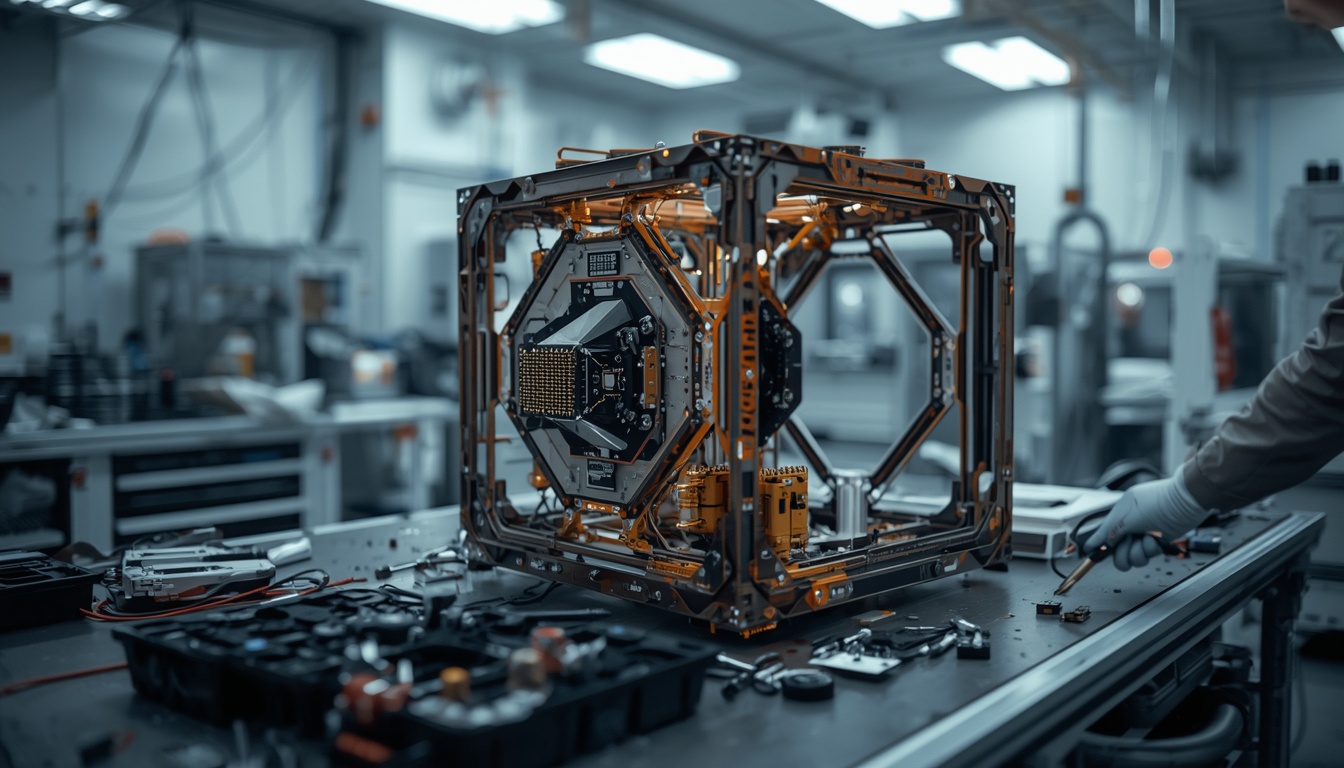
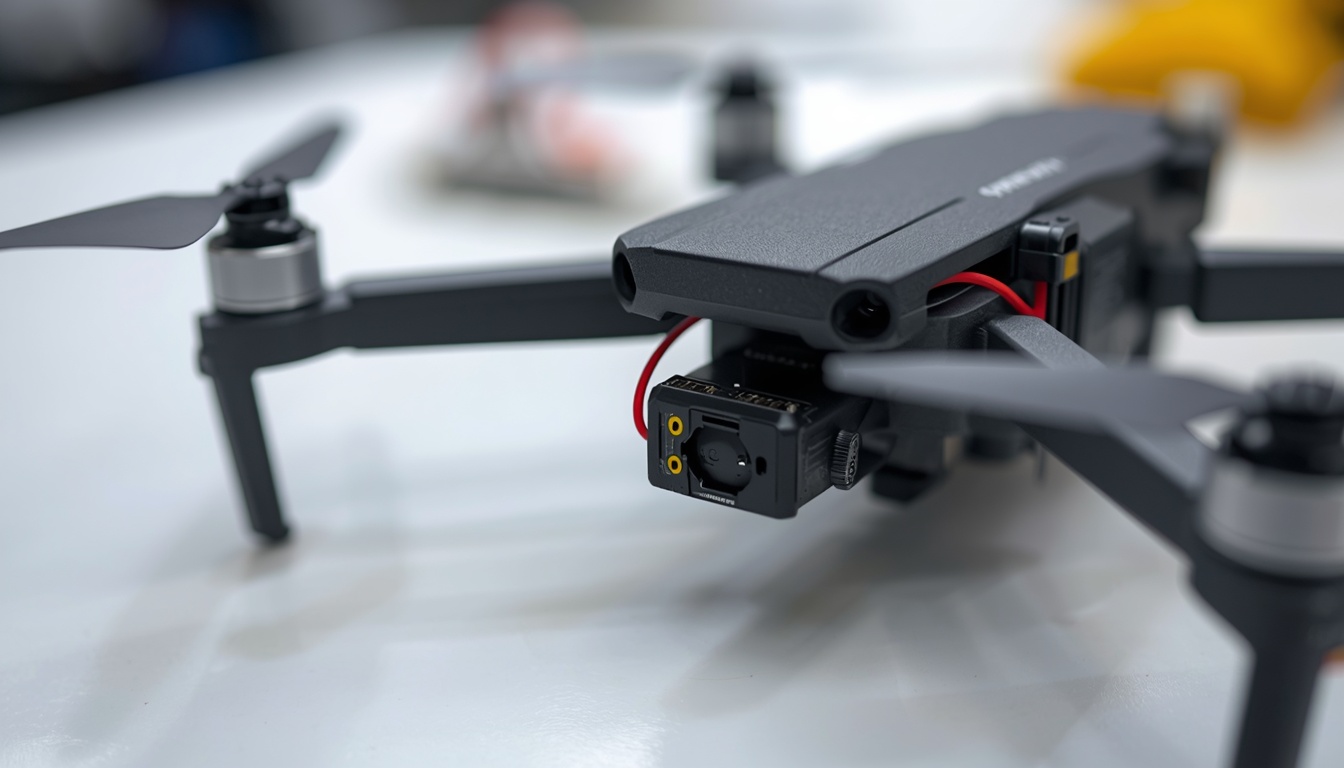
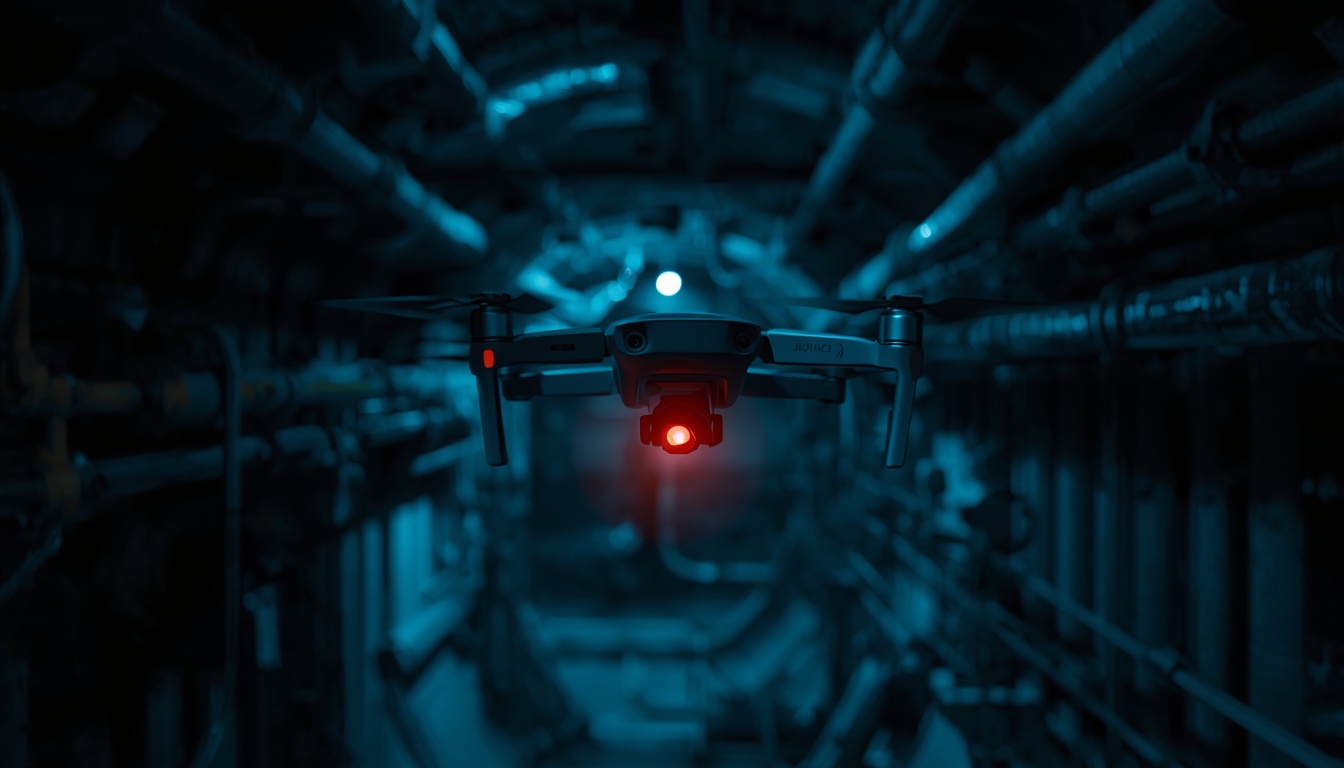
At the centre of KshatraLabs’ pitch sits HAWK, an autonomous aerial interceptor built specifically to close what the company describes as a critical capability gap in counter-drone defence. The system is designed to detect, track, and neutralise hostile unmanned aerial vehicles at speeds upward of 89.5 metres per second (or roughly 300 kilometres per hour), with launch readiness under five seconds from the moment a threat is identified. That speed requirement matters enormously in this particular application, because unlike many defence systems where a slower, more deliberate response is acceptable, a hostile drone closing in on sensitive infrastructure or a military installation may only present a viable interception window measured in seconds. A system that is merely fast is not necessarily fast enough; it needs to be fast enough to close the gap before the threat itself reaches its target.
“The future of deterrence relies on mass manufactured, AI-native, autonomous systems operating at the edge. At KshatraLabs, our systems are built to navigate, intercept and close the kill chain entirely on their own.”
That framing distinguishes KshatraLabs’ approach from older generations of counter-drone systems, which have typically relied more heavily on continuous human oversight and intervention throughout the detection-to-neutralisation pipeline, a model that becomes considerably harder to sustain as the volume and speed of drone threats continues to escalate.
On the technical validation front, KshatraLabs has already reached a meaningful milestone, having completed hardware-in-the-loop testing of its interceptor at speeds of 90 metres per second, a controlled testing methodology that allows engineers to validate real hardware performance against simulated flight and threat scenarios before committing to full-scale, uncontrolled field trials. The company has also engaged directly with the Indian Armed Forces to gather feedback specifically on its hard-kill systems, the category of counter-drone technology that physically disables or destroys a target rather than simply jamming its communication signals or spoofing its navigation. This category tends to carry higher stakes and more rigorous certification requirements given the physical consequences of any system malfunction or misidentification.
The market opportunity driving this round is substantial and, crucially, immediate rather than speculative. India’s military recently placed fresh counter-drone procurement orders worth $1.5 billion, a figure that reflects growing operational concern over drone incursions and swarm attacks along contested borders and around sensitive military and civilian infrastructure. That kind of procurement signal matters enormously to early-stage defence technology companies because, unlike consumer or even most enterprise technology markets, defence procurement in India typically involves lengthy certification cycles, government trials, and strict indigenous sourcing preferences under the country’s broader push toward self-reliance in critical defence technology. A credible, well-funded near-term buyer already exists rather than needing to be built from scratch through years of market education.
KshatraLabs is not entering an empty field, and it is worth being direct about the competitive landscape it faces rather than presenting this as an uncontested opportunity. The startup will be competing domestically against considerably larger, more established players including Bharat Electronics (a major state-owned defence electronics manufacturer), alongside Zen Technologies and Paras Defence, both established Indian defence technology companies with existing government relationships, manufacturing scale, and track records that a pre-seed stage startup simply cannot match yet. Beyond India’s borders, the broader counter-drone category has also drawn significant international activity, including net-based interception systems developed by companies such as Germany’s Argus Interception working alongside American radar manufacturer Echodyne, and net-launching interceptor platforms from companies like XTEND and Fortem Technologies, illustrating that the underlying concept of drones designed specifically to hunt and neutralise other drones has become a genuinely global category of defence technology development rather than an isolated Indian innovation.
There is also a meaningful regulatory dimension worth flagging honestly. Broader counter-drone rules in India remain unclear even as the Directorate General of Civil Aviation oversees drone regulation more generally, a gap that could complicate certification timelines for hard-kill interceptor systems specifically, given the physical risk such systems inherently carry if deployed incorrectly or if a targeting error occurs near populated areas or civilian airspace. For a pre-seed stage company, the real challenge ahead is not simply proving the underlying technology works in controlled testing, it is navigating that regulatory uncertainty while simultaneously converting promising test bench results into certified, field-deployable hardware fast enough to capture meaningful share of the $1.5 billion procurement opportunity before larger, better-resourced incumbents close whatever early-mover gap currently exists.
Viewed evenly, KshatraLabs represents a genuinely credible early-stage bet within a defence technology category that has moved from niche curiosity to urgent operational priority in a remarkably short span of time, backed by concrete testing milestones, direct engagement with the Indian Armed Forces, and a founding narrative grounded in the specific, verifiable technical requirements that modern counter-drone defence actually demands: autonomy, speed, and resilience to contested, communication-denied environments. Whether the company can translate that early promise into the kind of certified, field-proven hardware that Indian defence procurement ultimately rewards remains genuinely uncertain, and will depend considerably more on execution discipline and regulatory navigation over the coming months than on the underlying technical concept itself, which appears, at this early stage, both sound and well-timed against a threat landscape that shows no signs of becoming less urgent.