
Aule Space Builds Autonomous Satellite Jetpacks To Extend The Life Of Aging GEO Satellites
Bengaluru startup Aule Space is building autonomous jetpacks that dock with fuel starved satellites never designed to be serviced, betting it can add up to six years of life to a spacecraft, and years of revenue, for a fraction of a replacement launch.
Highlights:
- Aule Space has raised 2 million dollars in pre seed funding led by pi Ventures for its jetpack technology
- The autonomous spacecraft can dock with existing GEO satellites and extend their operational life by up to six years
- Aule specialises in non cooperative docking, servicing satellites never originally designed to be serviced
- The company estimates around 80 percent of active GEO satellites are compatible with its life extension service
- Aule Space is targeting a demonstration mission in 2027, following its founding in 2024
Satellites rarely die because something breaks. Most retire quietly, perfectly functional in every way except one, they simply run out of fuel, and once propellant drops below a critical threshold, a spacecraft worth hundreds of millions of dollars becomes a liability rather than an asset almost overnight. A Bengaluru startup wants to hand those satellites a refill.
Aule Space, a deep tech startup building autonomous satellites capable of docking with and servicing other spacecraft in orbit, has raised 2 million dollars in pre seed funding led by pi Ventures, an early stage Indian venture firm focused specifically on deep technology companies, with participation from angel investors including Eash Sundaram, a former board member of Intelsat and founder of Utpata Ventures, and Arvind Lakshmikumar, chief executive of defence imaging company Tonbo Imaging.
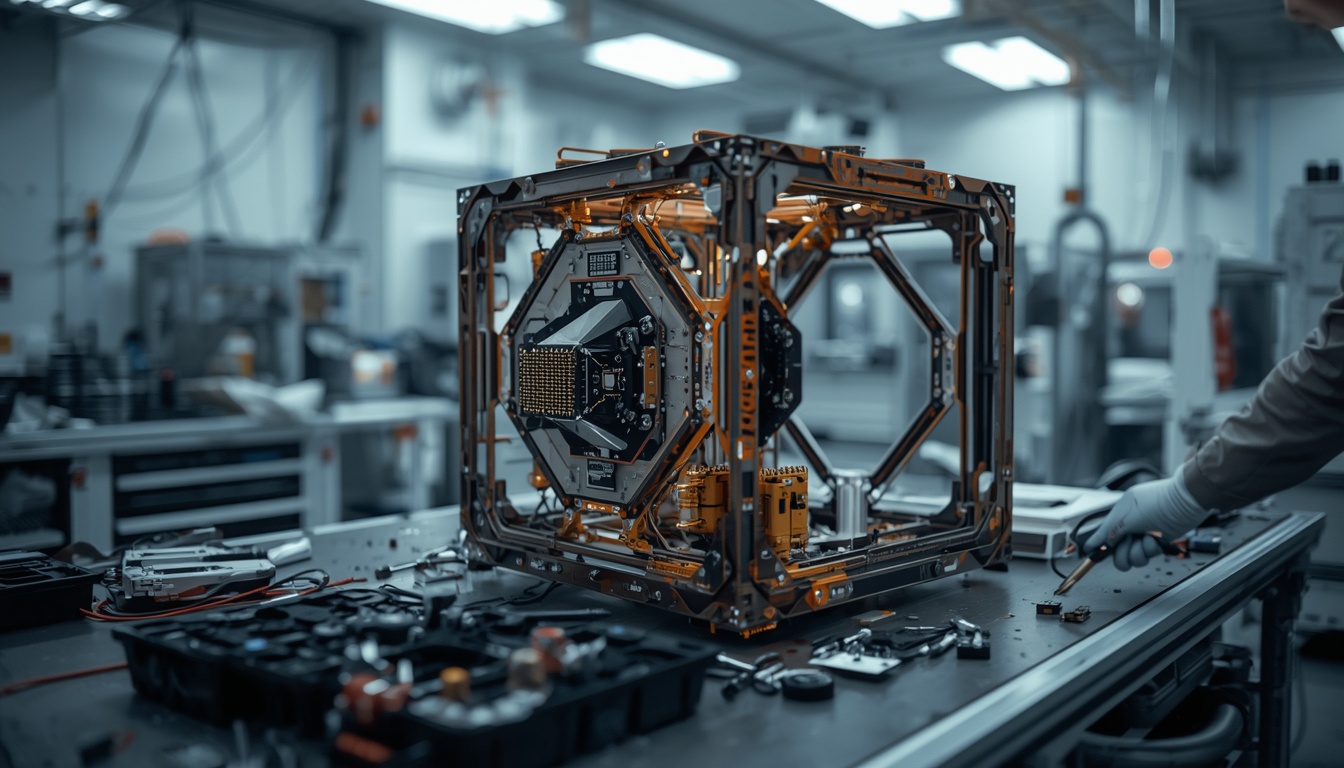
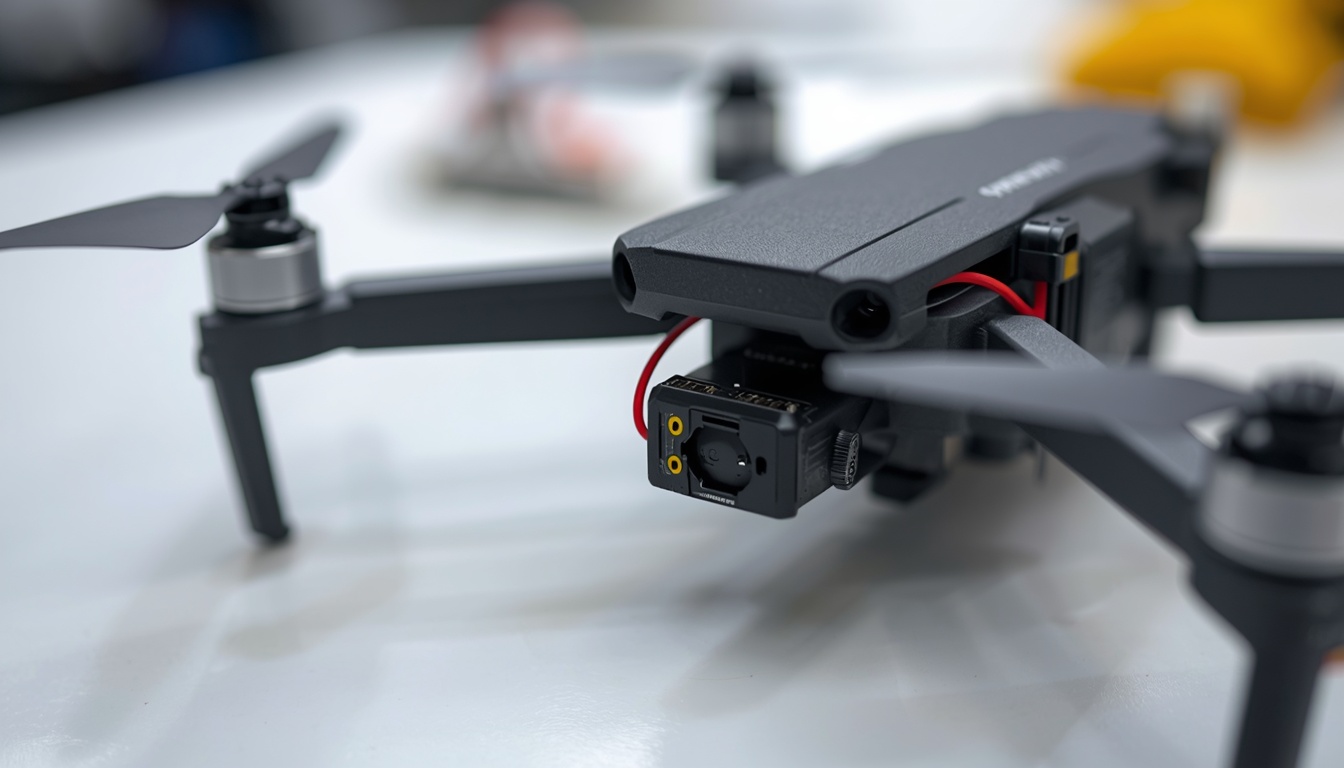
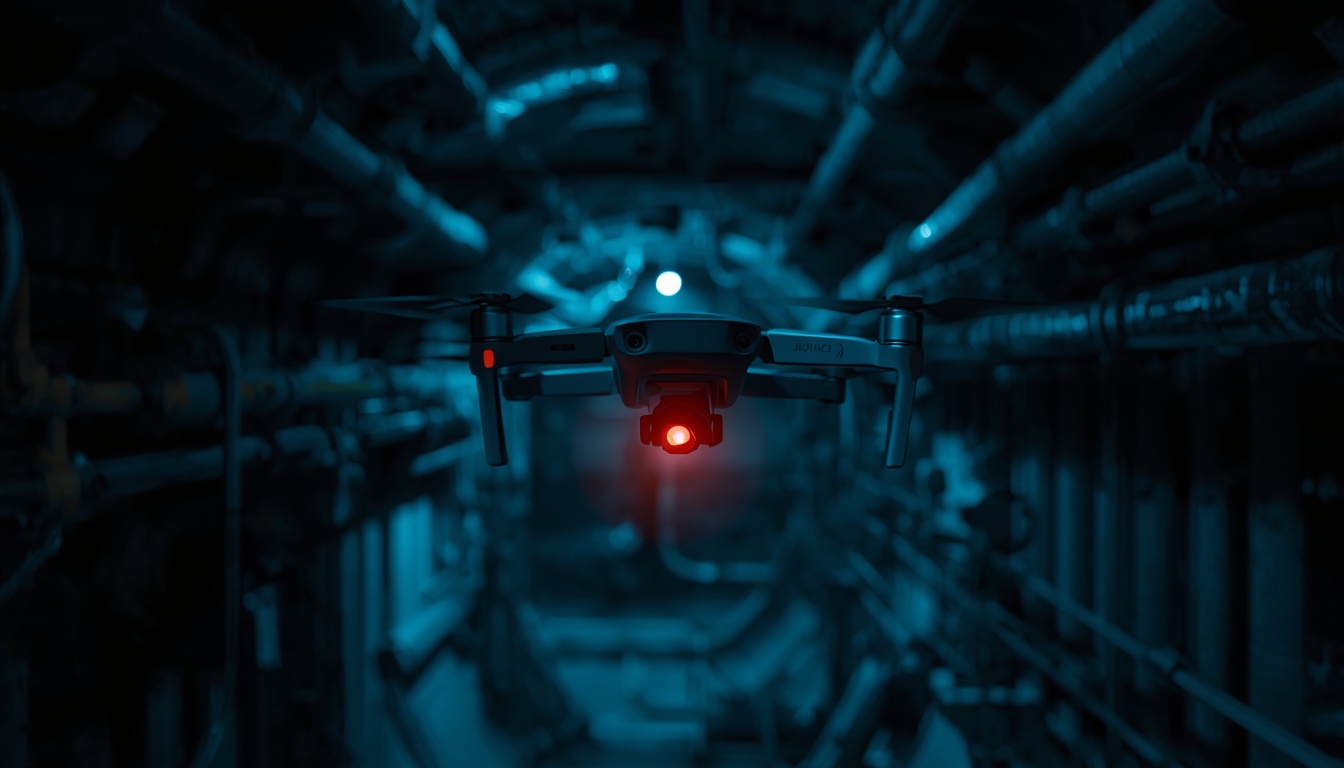
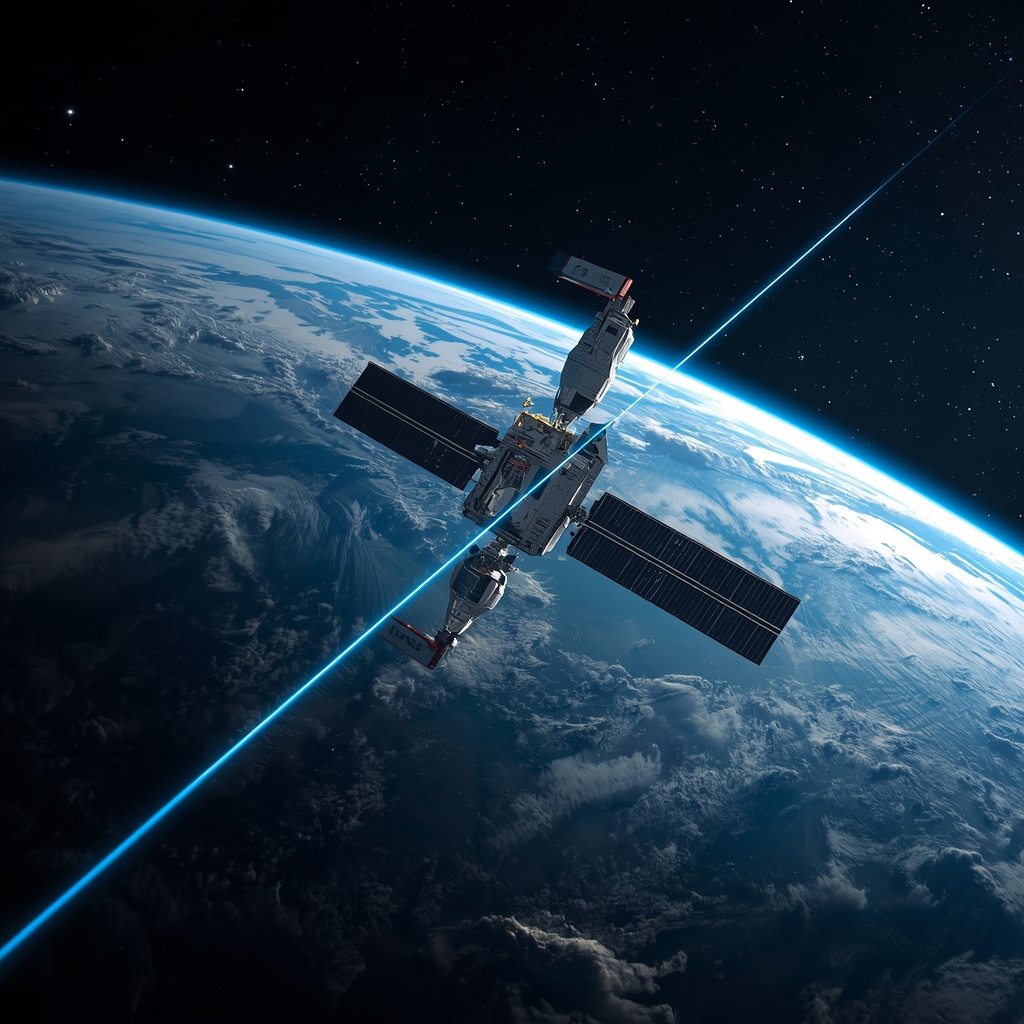
The company’s core product, what it calls a jetpack, is a compact, propulsion equipped spacecraft designed to approach an existing satellite already in geostationary orbit, physically attach to it, and take over its stationkeeping duties, the continuous small thruster firings that keep a satellite locked in its designated orbital slot. Once docked, the jetpack can extend a host satellite’s operational life by up to six years, turning what would otherwise be an imminent, expensive retirement into several more years of usable service and revenue.
Aule was founded in 2024 by Jay Panchal, cofounder and chief executive, previously an early engineer at Indian space company Pixxel, Nithyaa Giri, cofounder and chief technology officer, a founding engineer at electric vehicle company Trify EV, and Hrishit Tambi, cofounder and chief operating officer, who previously worked alongside European Space Agency scientists at LibreCube.
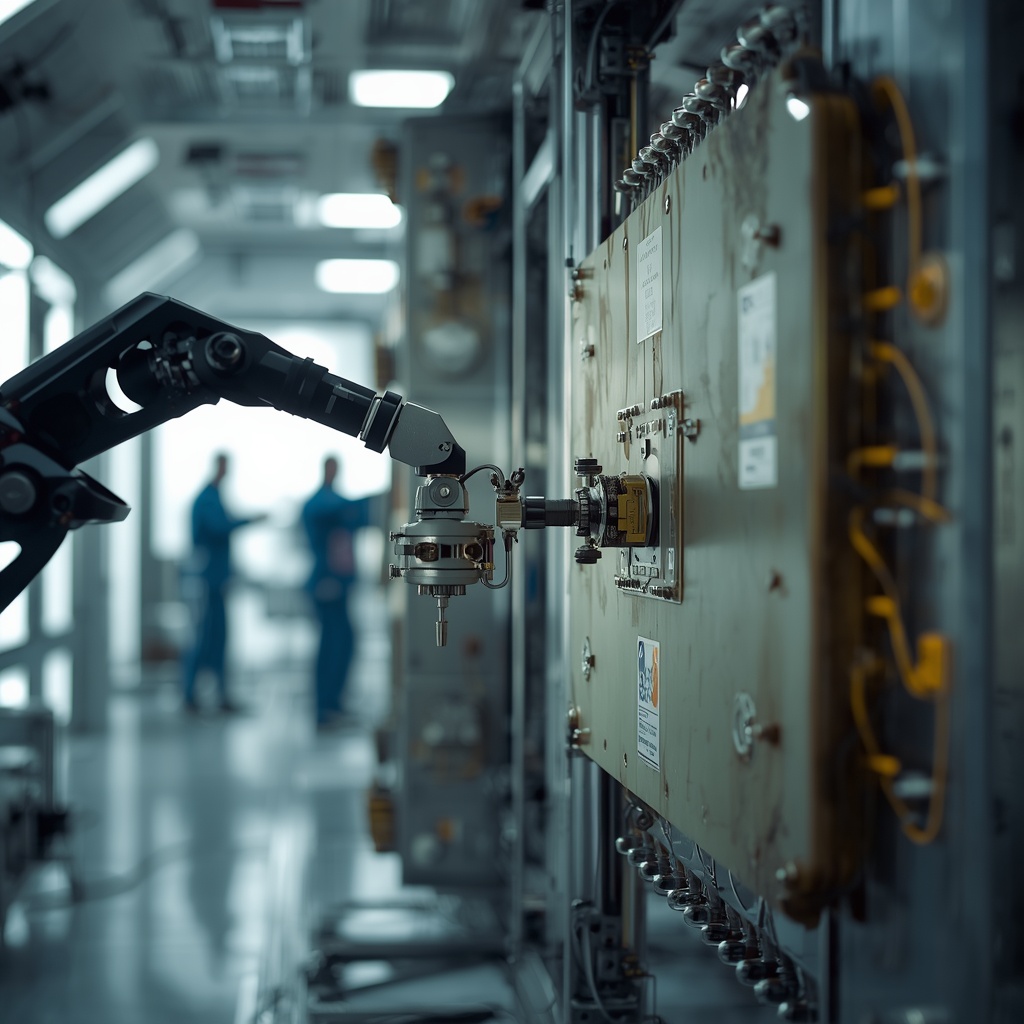
That founding combination, satellite engineering, autonomous systems, and machine learning expertise brought together under one roof, shapes the specific technical bet Aule has chosen to make. Most satellite servicing concepts pursued globally, including the Mission Extension Vehicles pioneered by Northrop Grumman subsidiary SpaceLogistics, work best with satellites designed with servicing in mind from the start. Aule has instead focused on non cooperative docking, the considerably harder technical challenge of attaching to satellites that were never built with any servicing interface at all, grappling directly onto the nozzle of a satellite’s existing propulsion engine rather than requiring any special hardware the original satellite manufacturer would have had to plan for in advance.
That specific design choice matters enormously for how large a market Aule can actually address. Because the technology works with the engine nozzle nearly every geostationary satellite already has, rather than requiring a specialised docking port almost none of them do, the company estimates roughly 80 percent of active GEO spacecraft currently in orbit are compatible with its life extension service, a dramatically larger addressable fleet than a docking interface dependent approach could ever reach.
“Operating out of India, competing with global companies, one of the unfair advantages that we have is the cost advantage,” Panchal has said, describing the company’s broader strategy of sourcing as many spacecraft components as possible, propulsion systems, sensors, and other hardware, from India’s growing domestic space supply chain, while developing its guidance and navigation software entirely in house.
The economics behind this bet are, at their core, a fairly straightforward trade. A replacement satellite launch can cost hundreds of millions of dollars and take years to plan, build, and deploy. A jetpack docking mission, by contrast, offers operators a considerably cheaper way to buy several more years of revenue from an asset that is otherwise about to become a write off, a proposition that becomes more attractive the more expensive and time consuming satellite replacement remains across the industry.
Aule’s ambitions extend beyond pure life extension too. The same underlying autonomous rendezvous and docking capability the company is building can, in principle, support close range inspection of other space assets and the safe, controlled deorbiting of satellites that have genuinely reached the end of their useful life, helping retire defunct spacecraft in a way that reduces the growing volume of debris accumulating in increasingly crowded orbits.
With this funding, the company has said it plans to expand its engineering team, build ground infrastructure specifically for docking tests, and advance development toward its first demonstration satellite, targeting a demonstration mission in 2027. The company has also indicated interest from India’s own government sector, including both ISRO and the Indian military, alongside commercial satellite operators, though no firm contracts had been signed as of its funding announcement.
It is worth applying genuine, measured scrutiny to how far Aule’s current stage actually sits from a proven, operational service, rather than treating a pre seed round and an ambitious technical roadmap as evidence the hardest problems have already been solved. Non cooperative docking, physically attaching to an object in orbit that was never designed to be grabbed, remains one of the genuinely difficult unsolved problems in space robotics, one that established, vastly better funded aerospace companies globally have spent considerable time and money working through with mixed results. A 2 million dollar pre seed round is a meaningful early vote of confidence, but it is a small fraction of the capital typically required to move from software development and ground testing through an actual, successful in orbit demonstration mission, let alone a commercially operating fleet.
There is also a fair question worth holding about the gap between Aule’s stated interest from commercial customers and the absence of any confirmed contracts at this stage. Satellite operators considering handing control of a multi hundred million dollar asset to an unproven, young company’s autonomous docking technology face genuinely high stakes if something goes wrong during the docking manoeuvre itself, and building the kind of trust required for a first paying commercial contract will likely take considerably longer, and more successful demonstration flights, than the underlying technology alone.
None of this diminishes the genuine significance of the problem Aule Space has chosen to tackle. Satellite life extension addresses a real, expensive, and growing inefficiency in how the global space industry currently operates, retiring functional hardware simply because it has run out of fuel, and a domestically built, cost advantaged Indian entrant into this specific niche fits naturally within the country’s broader, rapidly expanding private space sector. Whether Aule becomes the company that actually proves non cooperative docking can work reliably and repeatably at commercial scale, or one of several ambitious global entrants racing toward the same technically demanding goal, is a question this pre seed round buys the company time and runway to work toward, but one its 2027 demonstration mission, not this funding announcement, will be the first real test of.