
Naxion Energy Launches India’s First Sodium Ion Energy Storage Systems To Replace Diesel Generators And Lead Acid Batteries
A Coimbatore built energy storage platform wants to replace India’s enormous reliance on diesel generators and lead acid batteries, using sodium ion chemistry that its maker claims is safer, lighter and built to survive the country’s harshest climates.
Highlights:
- Naxion Energy, formerly Sodion Energy, launched its sodium ion storage platform in December 2025
- Systems offer two to three times longer life than traditional lead acid batteries
- The platform weighs up to 60 percent less than comparable lead acid systems
- Units operate reliably across an extreme range of minus 30 to plus 70 degrees Celsius
- Naxion plans to invest Rs 200 crore by the end of 2026 to expand manufacturing
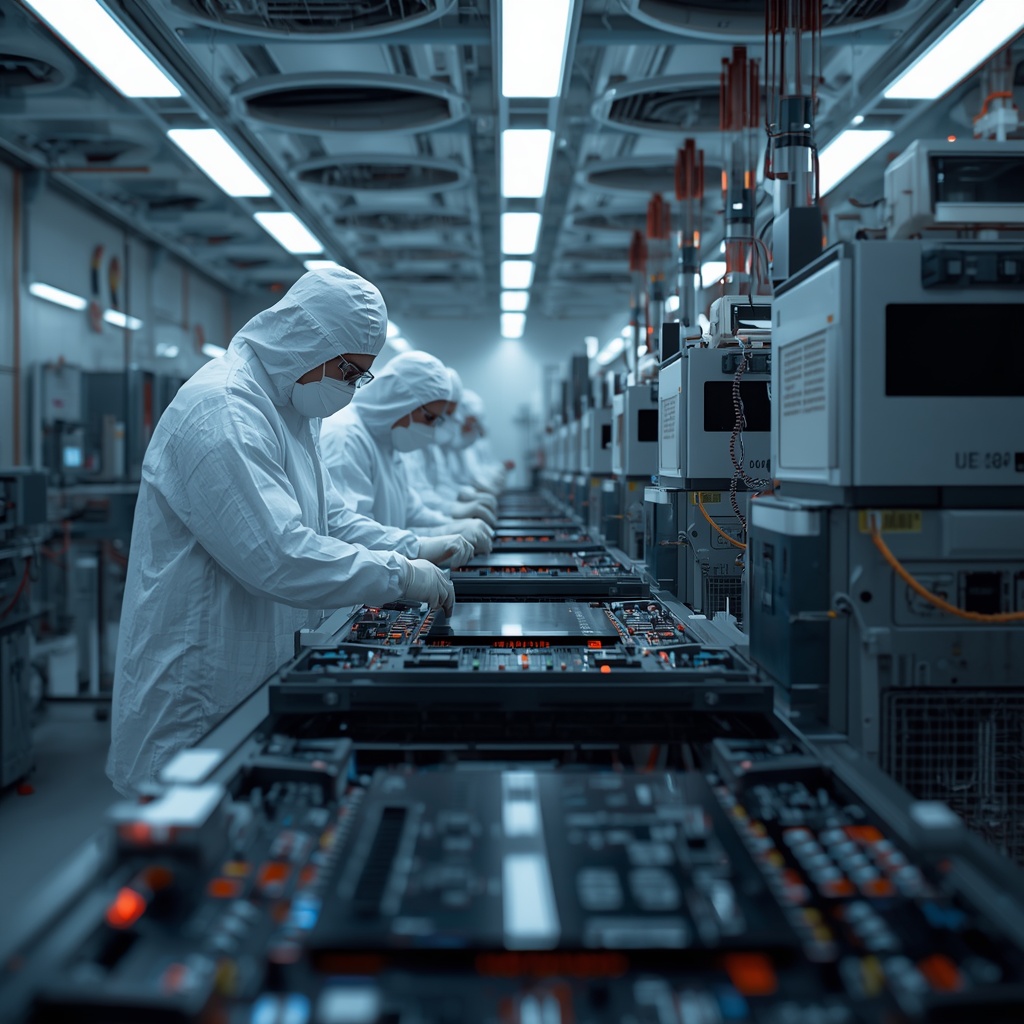
- Its Coimbatore plant has an annual production capacity of 1.5 GWh of battery packs
Diesel generators are one of those technologies so deeply woven into daily life across India that their downsides—noise, pollution, high fuel costs, constant maintenance—rarely get questioned even as cleaner alternatives have become genuinely viable. Naxion Energy, formerly known as Sodion Energy, is betting that moment of unquestioned reliance is finally ending. The company has built its entire business around offering a direct, practical replacement, not through lithium-ion technology, the chemistry most commonly associated with the current battery storage boom, but through sodium-ion, a less widely discussed but increasingly commercially relevant alternative that the company positions as better suited to India’s specific climate and cost constraints.
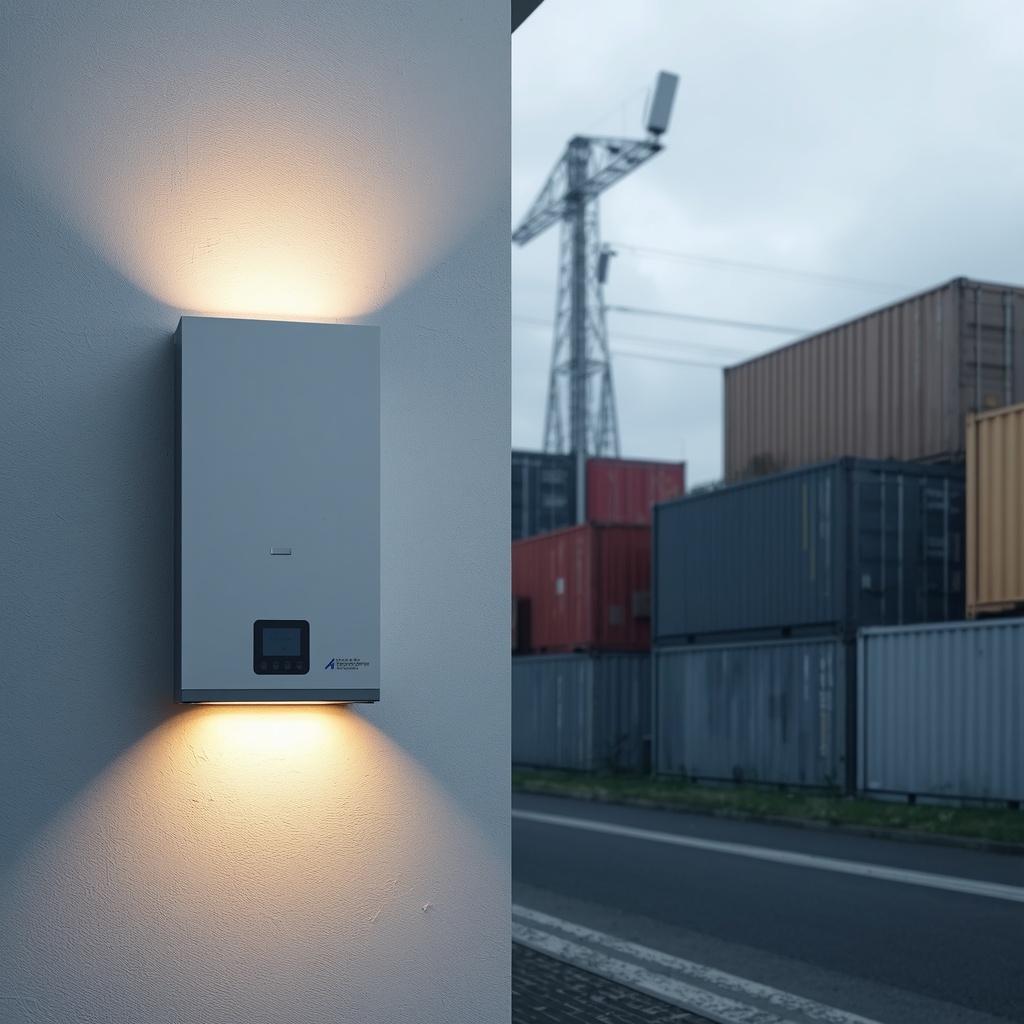
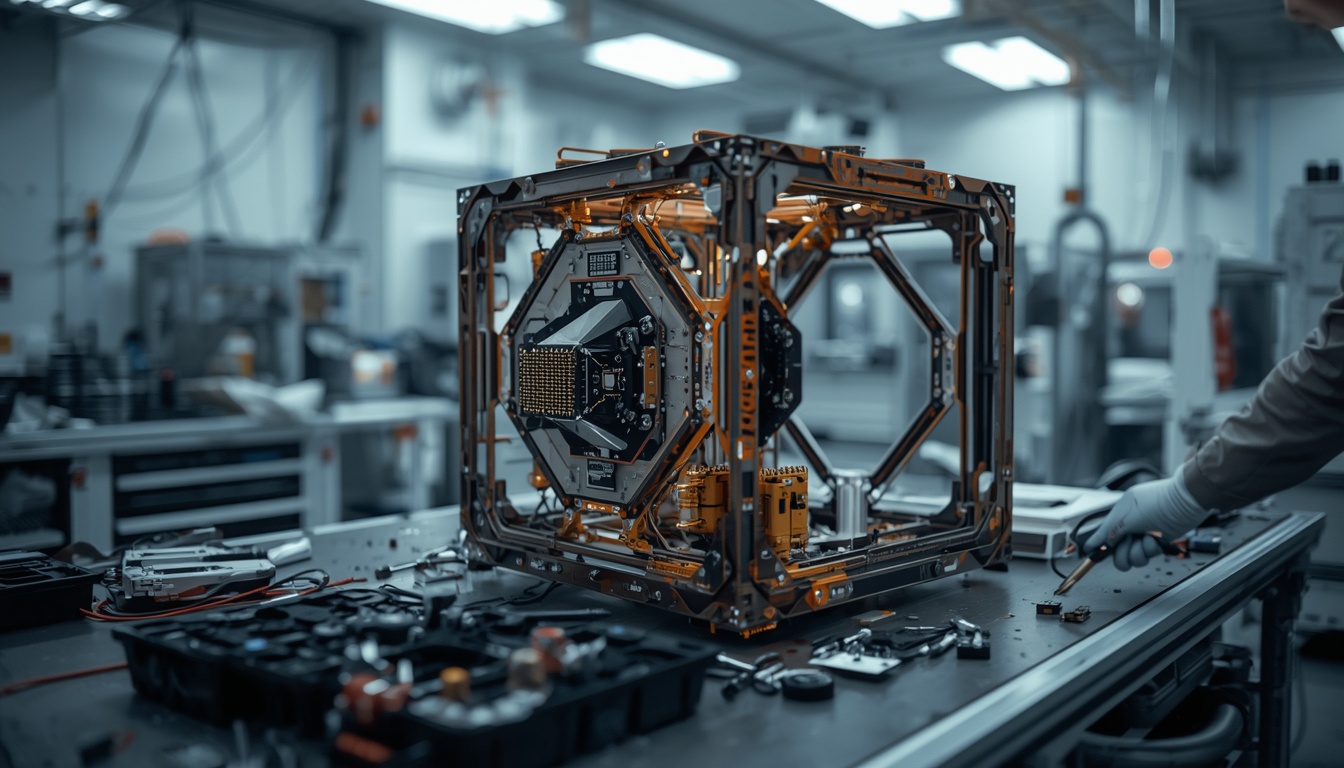
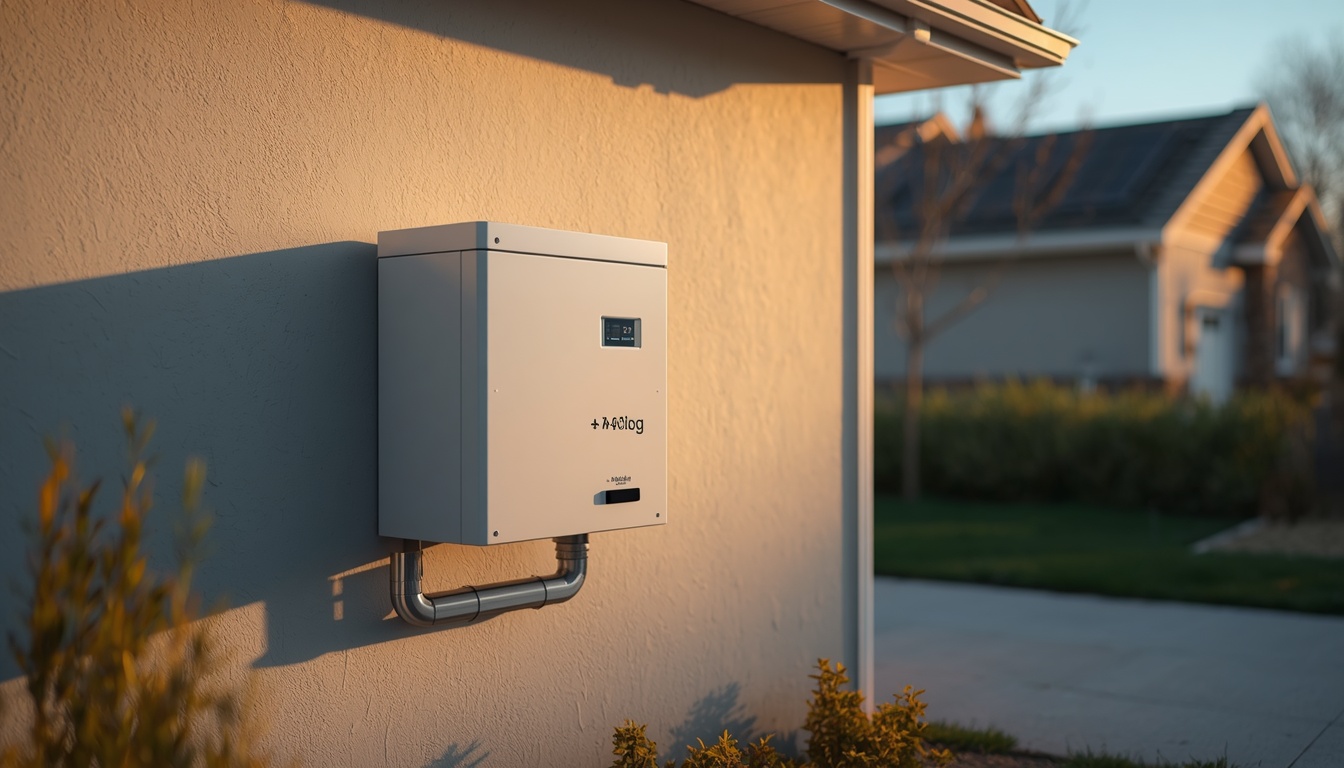
Naxion Energy describes itself as India’s first dedicated sodium-ion energy enterprise, and the company has designed, developed, and manufactured its new energy storage systems entirely at its own facility in Coimbatore, Tamil Nadu. The core product is what the company calls an all-in-one energy platform, integrating a battery, an inverter, and a solar maximum power point tracking unit, commonly abbreviated as MPPT, into a single, unified system rather than requiring customers to separately source and integrate these components themselves—a meaningful simplification for the residential, commercial, and industrial customers the company is targeting who may not have in-house technical expertise to design a more complex, multi-component energy storage setup from scratch.
Understanding why Naxion is betting specifically on sodium-ion chemistry, rather than the lithium-ion technology that dominates most current battery storage headlines, requires understanding the specific tradeoffs each chemistry offers. Sodium is dramatically more abundant and cheaper to source than lithium, since it does not depend on the same concentrated, geographically limited, and often geopolitically sensitive supply chains that lithium extraction currently requires, giving India a genuine opportunity to build a domestic sodium-ion supply chain without the same import dependency that constrains lithium-ion manufacturing. Naxion’s own sodium-ion chemistry is also, according to the company, inherently non-flammable and non-toxic, characteristics the company says eliminate thermal runaway risk—the dangerous chain reaction that can cause lithium-ion batteries to overheat, catch fire, or even explode under certain fault conditions—a safety consideration that carries particular weight for backup power systems installed inside or near occupied homes and workplaces.
The performance claims Naxion has put forward are substantial and worth examining directly. The company says its sodium-ion platform offers two to three times longer operational life than traditional lead-acid batteries, the incumbent technology that has dominated backup power applications across India for decades despite well-known limitations around maintenance requirements, corrosion, and gradual capacity degradation. Naxion’s systems are also engineered with what the company describes as a genuinely zero-maintenance design, eliminating the need for water top-ups and avoiding the corrosion and swelling issues that commonly plague lead-acid battery installations over time, translating directly into lower total operational cost and reduced downtime for customers who would otherwise need to budget for regular servicing and periodic battery replacement.
Weight and climate resilience form another core part of Naxion’s pitch, and both matter considerably for practical deployment across India’s genuinely diverse geography and climate conditions. The systems weigh up to 60 percent less than comparable lead-acid battery installations, a meaningful advantage for installation flexibility, particularly in space-constrained residential settings or industrial facilities where structural load-bearing capacity may be a genuine constraint. The platform is engineered to operate reliably across an extreme temperature range spanning -30 to +70 degrees Celsius, a specification that speaks directly to India’s genuinely wide climatic diversity, from the bitter cold of high-altitude regions to the intense heat regularly experienced across much of the country’s plains during summer months, conditions that can meaningfully degrade the performance and lifespan of less climate-resilient battery chemistries.
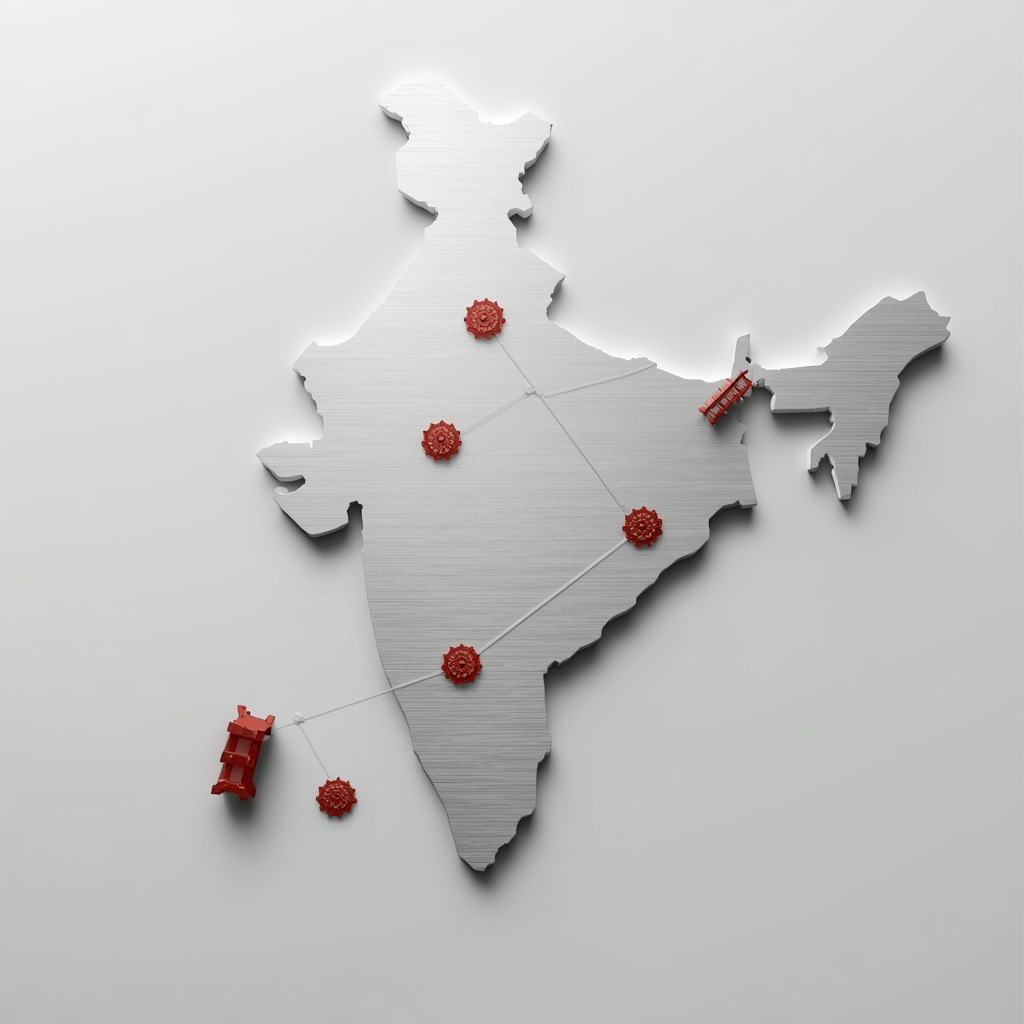
Naxion’s products are currently available in 3.5 kilowatt, 5 kilowatt, and 10 kilowatt configurations, each offering expandable capacity, allowing the company to serve a genuinely broad range of customer segments from individual residential backup power needs through to larger commercial and industrial applications, alongside a stated focus on defence sector use cases as well. Abishek Reddy, CEO of Naxion Energy India, outlined the company’s manufacturing scale-up plans directly to trade publication PV Magazine, explaining that the Coimbatore plant currently carries an annual sodium-ion battery pack production capacity of 1.5 gigawatt-hours, while the company plans to invest Rs 200 crore in establishing a pilot sodium-ion cell manufacturing plant with a capacity of 500 megawatt-hours by 2027, alongside a separate battery pack assembly plant with a capacity of 1 gigawatt-hour planned for Hyderabad. Separate reporting has indicated this Hyderabad facility, and the broader Rs 200 crore investment, are targeted for completion by the end of 2026, alongside plans to grow the company’s workforce by 50 percent to support the expansion.
“This milestone marks an important step forward in strengthening India’s path toward energy security and long-term self-reliance.”
That framing situates Naxion’s sodium-ion push within a considerably broader Indian policy context: the country’s sustained push toward greater self-reliance across critical technology supply chains, a priority that has gained additional urgency given how concentrated global lithium-ion battery manufacturing capacity currently remains among a relatively small number of countries, chiefly China.
It is worth approaching Naxion’s specific performance claims with the same measured caution warranted for any company reporting its own product specifications without extensive independent third-party validation, particularly given how recently the sodium-ion platform actually launched, in December 2025, meaning genuinely long-term, multi-year field performance data simply does not yet exist to independently confirm the two to three times lifespan improvement the company claims over lead-acid alternatives. Sodium-ion battery technology more broadly remains a genuinely newer commercial category compared to both lead-acid and lithium-ion chemistries, both of which benefit from decades of accumulated real-world deployment data that sodium-ion technology, across the entire industry rather than just Naxion specifically, has not yet had time to accumulate.
Viewed evenly, Naxion Energy’s sodium-ion push represents a genuinely credible and strategically well-positioned bet within India’s broader energy storage and diesel displacement opportunity, backed by a coherent manufacturing scale-up roadmap, meaningful capital investment commitments, and a chemistry choice that addresses real, well-documented limitations in both the lead-acid batteries and diesel generators it aims to replace. Whether the company’s specific longevity and reliability claims hold up across several years of genuine field deployment across India’s full range of climate extremes remains, inherently, an open question that only time and accumulated real-world operating data can ultimately answer, though the underlying strategic logic—reducing dependence on both imported lithium supply chains and polluting diesel infrastructure simultaneously—offers a genuinely compelling reason for the broader Indian energy storage market to watch this particular sodium-ion bet closely as it moves from launch announcement toward genuine field-proven scale.