
Milkvilla’s Twelve Hour Farm To Doorstep Supply Chain Delivers Fresh Raw Milk While Farmers Keep 60 To 70 Percent Of Revenue
A Bengaluru dairytech startup founded by a former merchant navy officer is compressing India’s milk supply chain from ten days down to twelve hours, while paying farmers a far bigger share of the final price than most competitors ever do.
Highlights:
- Milkvilla delivers raw milk from farm to customer within roughly 12 hours
- Traditional dairy supply chains can leave milk seven to ten days old on arrival
- Farmers in Milkvilla’s network keep between 60 and 70 percent of revenue
- The company reports gross margins of 42 to 49 percent, well above industry norms
- Its hubs in Bengaluru and Muzaffarpur are individually EBITDA positive
- Milk is turbo cooled to 4 degrees Celsius at the farmer’s doorstep
Most disruption stories in Indian startups tend to arrive from technology first principles, an app, a marketplace, a piece of infrastructure built to remove friction from an existing process. Milkvilla’s origin story is a little different, it began at sea. Mannu, the company’s founder and CEO, spent time working with a Hong Kong based shipping company in the merchant navy, where he observed firsthand how perishable goods, meat, fish and fruit, were transported across international supply chains while somehow retaining their freshness across enormous distances. That observation, carried back to India, became the founding insight behind Milkvilla, a dairytech startup founded in 2021 that has built its entire business around a single, deceptively simple idea, getting milk from farmer to customer in roughly 12 hours rather than the seven to ten days that conventional dairy supply chains typically take.
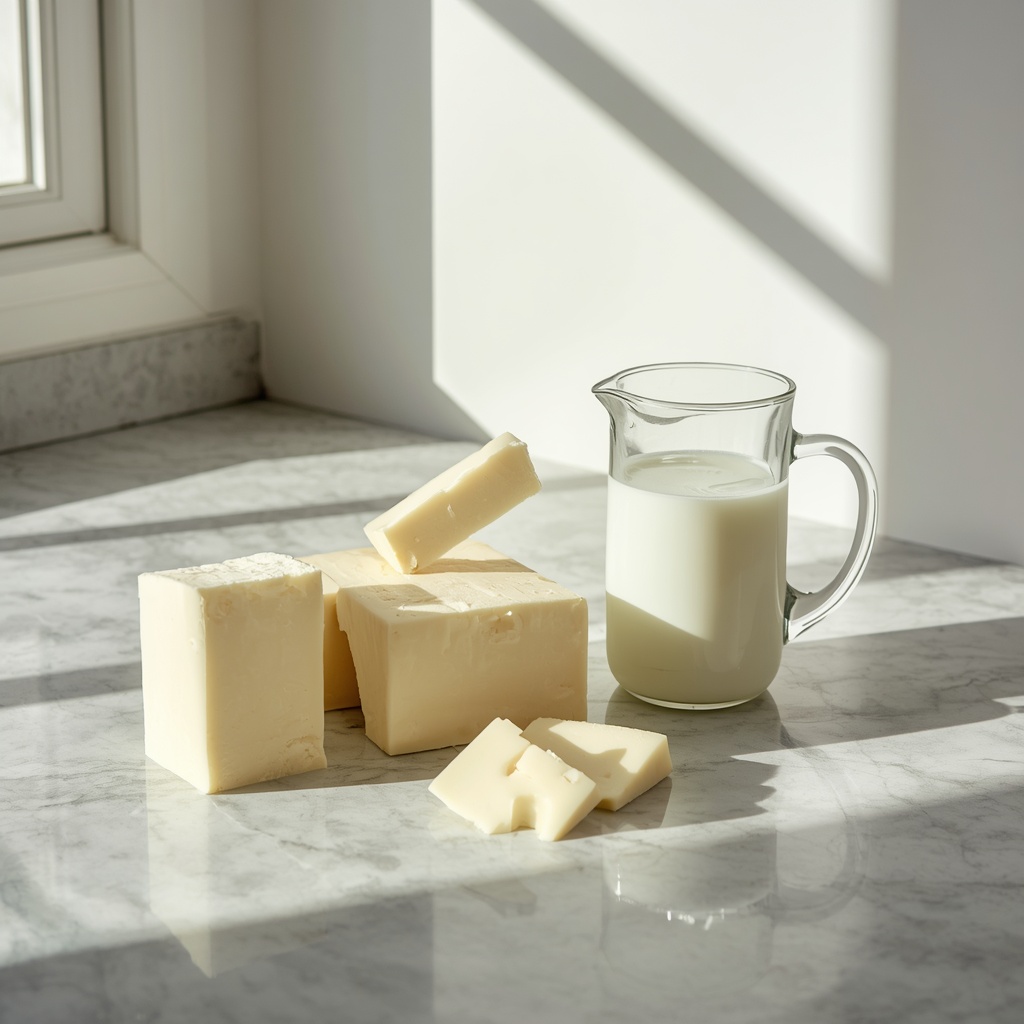
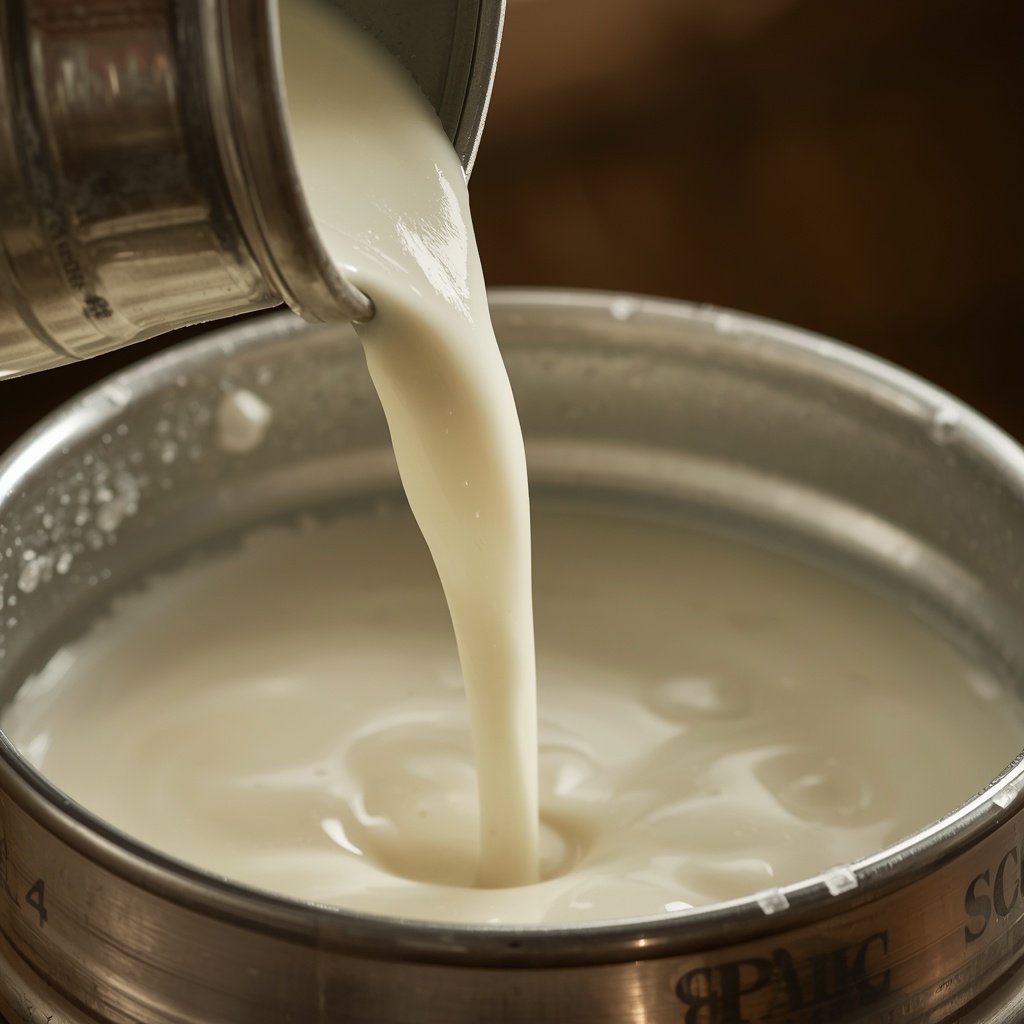
The scale of that compression is worth sitting with directly, because it reframes something most consumers never think to question. Milk purchased through traditional retail channels in India, whether from large cooperatives or branded packaged milk, has typically already been sitting in the supply chain for the better part of a week or more by the time it reaches a customer’s refrigerator, pasteurised, packaged and stabilised specifically to survive that extended journey. Milkvilla’s approach inverts that logic entirely. Rather than engineering milk to survive a long supply chain, the company has engineered a supply chain short enough that milk does not need heavy processing to remain safe and fresh in the first place.
“We have a special milk collection vehicle equipped with a cooling and a testing infrastructure. The vehicle goes to the farmer’s doorstep, and then the milk is turbo-cooled down to four degree Celsius, which increases its shelf life to 24 hours without adding any chemicals to it.”
Milkvilla’s financial performance is arguably the more striking part of this story, particularly set against the broader Indian direct to consumer startup landscape, where rapid customer acquisition has often come paired with heavy, sustained cash burn. The company reports gross margins of between 42 and 49 percent, a figure that stands out sharply against the roughly 20 to 25 percent gross margin typically reported by Country Delight, one of its most prominent, and considerably better funded, competitors in the premium dairy delivery space. More notably still, Milkvilla’s established hubs in Bengaluru and Muzaffarpur are each individually EBITDA positive, a genuinely rare claim within India’s high growth consumer startup ecosystem, where profitability at the unit level often remains an aspiration rather than an achieved milestone even years into a company’s operating life. Industry analysis attributes this financial discipline directly to the company’s radically shortened supply chain and its zero processing model, which effectively eliminates entire categories of cost that weigh down traditional dairy players, dedicated packaging facilities, layers of distributors, and the preservatives required to keep conventionally processed milk shelf stable over much longer periods.
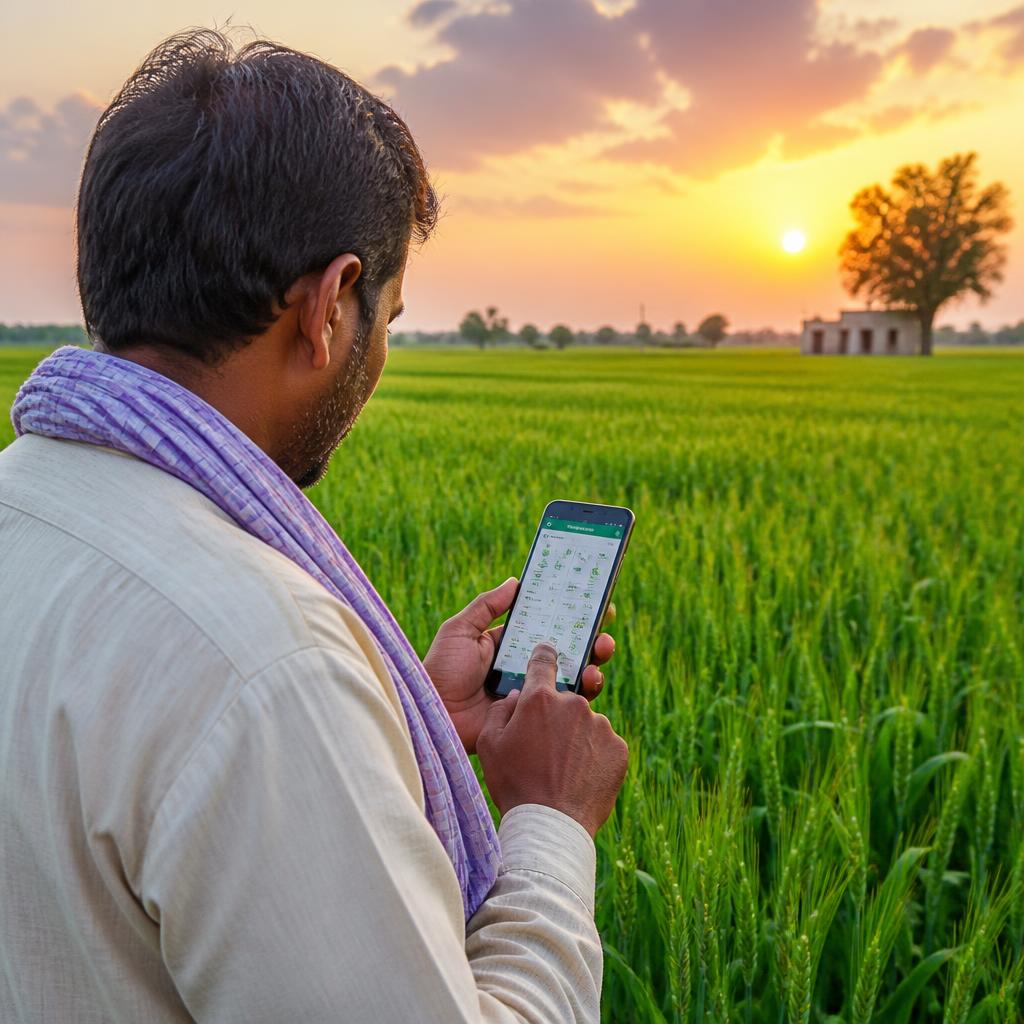
Farmers sit at the center of this model in a way that distinguishes Milkvilla’s positioning from many other consumer facing dairy startups, which often compete primarily on price or convenience for the end customer without disclosing much about what farmers actually receive. Milkvilla states that farmers in its network retain between 60 and 70 percent of the final revenue generated from their milk, a considerably higher share than what farmers typically capture through longer, intermediary heavy traditional supply chains involving multiple layers of collection agents, processors and distributors before milk ever reaches a retail shelf. The company has also framed its packaging choices as part of the same value proposition, delivering milk in reusable steel cans rather than single use plastic pouches, a decision it says prevents more than 2,000 plastic packets from entering the waste stream for every 1,000 litres delivered through its network, alongside running its last mile delivery fleet on electric vehicles to keep logistics emissions close to zero.
The company today operates out of a 100-member team split across Muzaffarpur, where it was originally founded, and Bengaluru, now its headquarters, with its founding team comprising CEO Mannu, CTO Aman, and co-founders serving as Chief Financial Officer and Chief Growth Officer alongside additional operational leadership. Milkvilla operates in a genuinely competitive segment of India’s dairy market, sharing space with better known and typically better funded players including Country Delight, Akshayakalpa, Sid’s Farm, and Pride of Cows, each pursuing slightly different positioning within the broader premium and specialty dairy category. What differentiates Milkvilla within that competitive set, according to the company’s own framing, is its specific focus on A2 desi raw milk delivered genuinely unprocessed, rather than the pasteurised, homogenised products that dominate even much of the premium dairy segment, positioning raw milk consumption itself, alongside speed and freshness, as the company’s core product differentiator rather than simply an operational efficiency story.
There is a reasonable case for approaching Milkvilla’s own claims with a measure of informed caution, as with any privately held company disclosing its own performance figures without independent audit. Raw, unpasteurised milk also remains a genuinely contested category from a food safety standpoint in many markets globally, and consumers considering the switch would be well served understanding both the purported nutritional advantages the company highlights and the food safety tradeoffs that raw milk inherently carries compared to pasteurised alternatives, a nuance that deserves acknowledgment rather than uncritical repetition of the company’s own marketing framing. That caveat aside, what Milkvilla has demonstrated at a structural level, individually profitable hubs, above industry gross margins, and a genuinely reworked supply chain logic rather than simply a faster delivery promise layered onto an unchanged underlying process, offers a legitimately interesting counterpoint to the well worn narrative that Indian direct to consumer startups can only scale through heavy, sustained cash burn. Whether that model can replicate its Bengaluru and Muzaffarpur results as it expands into new cities, without diluting either its margins or its core promise of genuinely fresh, minimally processed milk, remains the open question that will determine whether Milkvilla becomes a genuinely category defining company or stays a well run, profitable niche player within India’s much larger dairy market.