
D Propulse Tests Rotating Detonation Engine With No Moving Parts For Supersonic Hypersonic Flight
A Delhi startup just tested an engine with no turbine, no fan blades, and no spinning shaft, only a wave of controlled explosions circling a ring, a design that could make supersonic and hypersonic flight radically cheaper for India.
Highlights:
- D Propulse Aerospace, a Delhi based startup, tested a rotating detonation engine fitted with an aerospike nozzle, reaching Technology Readiness Level 5, a major milestone for any propulsion company anywhere
- The engine produced 5 kN of thrust while breathing air directly from the atmosphere like a jet, not a rocket, with the test taking place at a government facility reportedly linked to DRDO
- The company is led by CEO Saurav Jha and CTO Dr V Ramanujachari, with former DRDO chief V K Saraswat serving as chief mentor, and roots in the IIT Madras ecosystem
- The technology could eventually power missiles, high speed drones, and reusable space launch vehicles, positioning India among a very short list of nations pushing this far
- Very few companies globally have moved rotating detonation engines this far outside a laboratory setting, making this a genuinely rare milestone
There is a particular kind of engine that aerospace engineers have chased for close to a century, one that does not spin, does not need fans, does not rely on the delicate choreography of blades and turbines that make a conventional jet work. It simply lets a wave of controlled explosions travel around a ring shaped chamber, thousands of times a second, and rides that wave into thrust. For decades this stayed a laboratory curiosity, something that worked for a few seconds on a test bench and nowhere else. This year, a small startup out of Delhi called D Propulse Aerospace pushed that idea a real step closer to becoming an actual engine, and it did so with very little noise around it.
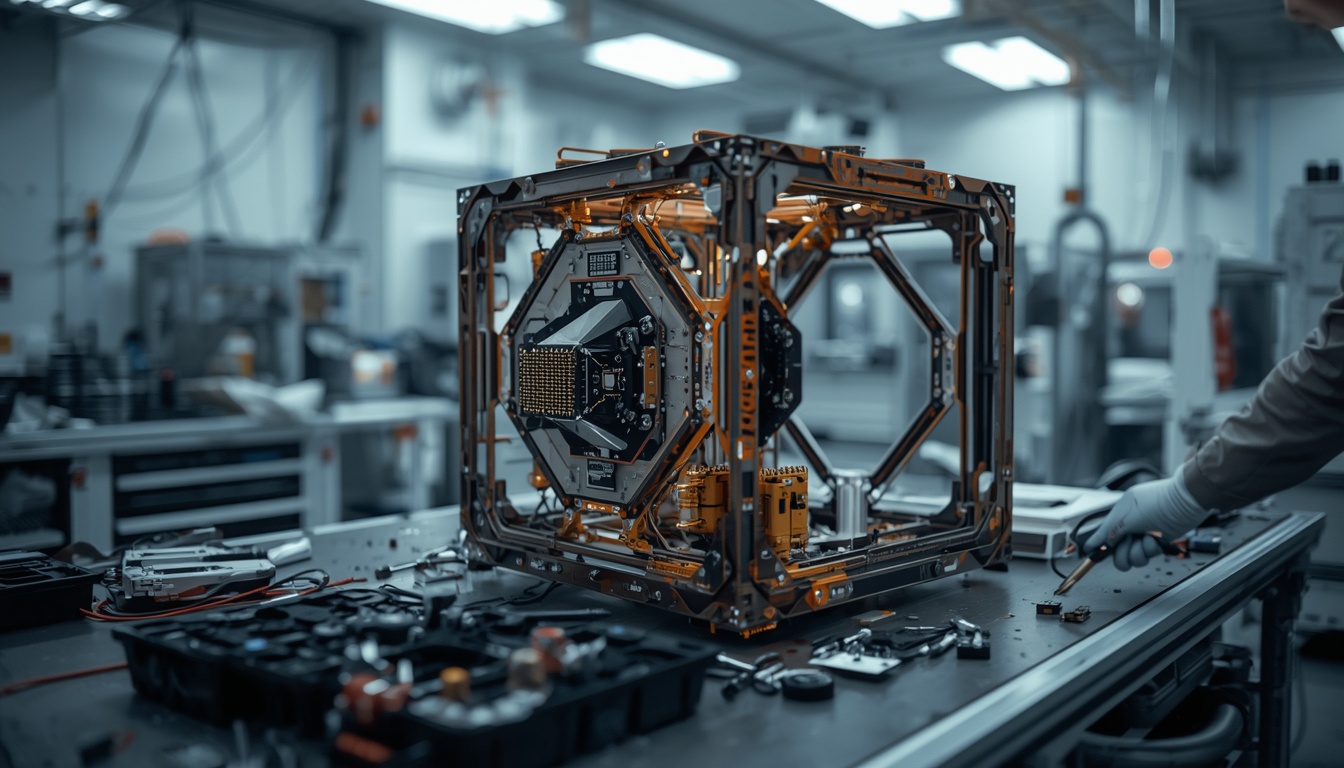
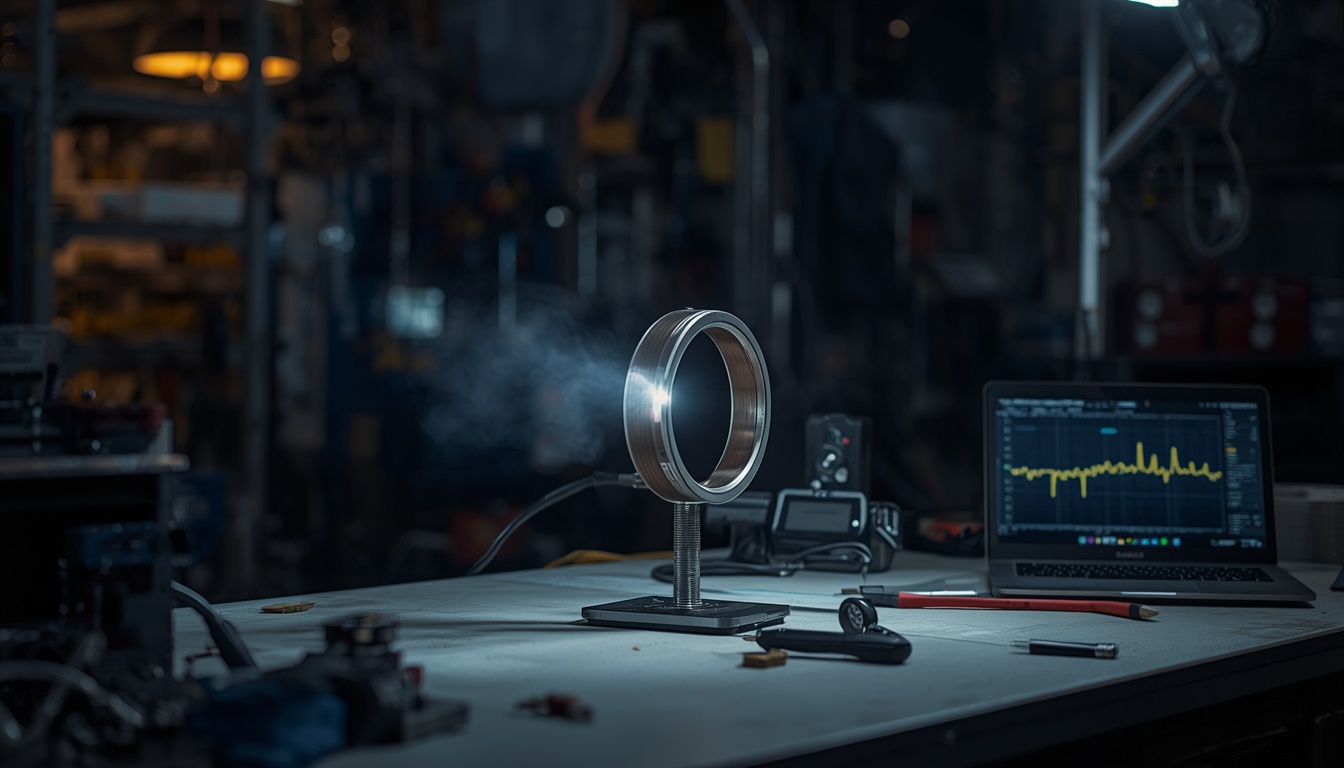
The company tested a rotating detonation engine paired with an aerospike nozzle, producing roughly 5 kN of thrust while drawing oxygen straight from the air rather than carrying its own oxidizer the way a pure rocket must. The test reached what engineers call Technology Readiness Level 5, a stage where a technology has been validated in a genuinely relevant environment, not merely proven inside a controlled lab setup. Five out of nine sounds modest on paper, but for an air breathing detonation engine, very few companies or government programs anywhere in the world have gotten this far outside a laboratory.
To understand why this matters, it helps to understand how different this kind of engine is from the ones flying today. A regular jet engine burns fuel through a slow, controlled process called deflagration, where the flame moves through the fuel and air mixture at subsonic speed. It is dependable, but thermodynamically it leaves a lot on the table. A rotating detonation engine instead relies on detonation itself, a much faster and far more violent form of combustion, where a shockwave races through the mixture at supersonic speed and releases its energy almost instantly. Rather than a single blast, the engine sustains a continuously rotating detonation wave that travels around and around an annular combustion chamber, generating steady thrust out of what is essentially a controlled explosion perpetually chasing its own tail.
Because the process does not depend on compressor blades or turbine stages, the engine can be mechanically far simpler than a turbojet. Fewer moving parts mean fewer things to cool, fewer things to wear out, and potentially far less weight for the same thrust output. The aerospike nozzle adds a second layer of efficiency on top of that. Unlike a conventional bell shaped rocket nozzle, tuned for a single altitude, an aerospike automatically reshapes its exhaust plume as ambient pressure changes with altitude, so the engine keeps performing well whether it is close to the ground or high in thin air. The shape is also a natural geometric match for a ring shaped detonation chamber, which is part of why several detonation engine developers worldwide keep circling back to this exact nozzle design.
D Propulse Aerospace was founded in 2025 with strong roots in the IIT Madras ecosystem, positioning itself inside India’s growing deep tech and defense innovation community. The company is co founded by defense journalist and analyst Saurav Jha, who serves as chief executive, alongside aerospace scientist Dr V Ramanujachari, who anchors the technical side as chief technology officer. Dr Ramanujachari previously worked as a scientist with the Defence Research and Development Organisation, building deep expertise in advanced propulsion including scramjets and missile technologies, credibility that is genuinely hard to manufacture quickly in a field this specialized. Former DRDO chief Dr V K Saraswat serves as chief mentor, lending decades of institutional weight to a company that is barely a year old.
What makes this notable is not just that a rotating detonation engine was tested, but where and how. The test reportedly ran at a government linked facility, suggesting the startup is already working closely with India’s official defense research establishment rather than operating entirely on its own. This kind of partnership between private deep tech startups and government labs is still a relatively new pattern in Indian aerospace, echoing, on a smaller scale, how private companies abroad have begun working alongside agencies like NASA and the US Department of Defense on similar detonation and hypersonic propulsion programs. The air breathing nature of the test matters too, since drawing oxygen from the atmosphere rather than hauling oxidizer tanks is generally viewed as more practical for sustained atmospheric flight, whether for missiles, drones, or eventual aircraft.
Detonation engine research has quietly intensified across the United States, China, and Europe over the past several years, with a handful of companies managing public flight demonstrations of related detonation and ramjet systems, some claiming speeds approaching Mach 6. The appeal is the same everywhere, engines that are lighter, mechanically simpler, and thermodynamically more efficient than the turbine engines that have dominated aviation for eighty years, engines that could make sustained supersonic and hypersonic flight economically realistic rather than a privilege reserved for a handful of military platforms. Very few of these programs, though, have moved past controlled lab demonstrations into a validated test at a genuinely relevant scale, exactly the bar that TRL 5 represents.
the company has said of its own mission, framing its work around more thrust, less mass, and capability that did not previously exist at this price point.
For India, this achievement carries a strategic dimension beyond the engineering itself. The country has invested heavily in indigenous defense technology over the past decade, from the Tejas fighter program to the Kaveri engine effort to DRDO’s own hypersonic and scramjet research. A homegrown detonation engine, built by a private startup working alongside government researchers, fits neatly into that broader push toward self reliance in technologies that were historically imported or built only inside state owned enterprises. If the technology matures, likely applications include next generation cruise missiles, high speed unmanned aerial vehicles, and eventually reusable launch vehicles that could lower the cost of reaching orbit, complementing the work already underway at ISRO on its own reusable rocket programs.
There is an equally important note of caution worth carrying alongside the excitement. TRL 5 is meaningful, but it sits several stages away from an engine that can be certified, manufactured at scale, or flown operationally. Detonation engines have historically struggled with combustion instability and material fatigue from the sheer violence of repeated detonation waves, and it remains to be seen how this design holds up under longer duration testing, higher thrust levels, and the punishing conditions of actual flight. History carries plenty of propulsion technologies that looked promising in early tests and then ran into unforeseen trouble the moment they were scaled up.
Even with those caveats in place, a young Indian startup reaching this stage of testing is genuinely significant. It signals that India’s private aerospace sector, still small compared to established players in the United States and Europe, is capable of producing original propulsion technology rather than only adapting existing designs. Whether D Propulse becomes a defining name in next generation propulsion, or one of many ambitious attempts that eventually meets the hard realities of scaling deep technology, this test places India, however early stage, among a very short list of nations that have moved rotating detonation propulsion out of theory and onto a test stand that actually ran.