

Former Swiggy And Zomato Leaders Launch AI Startup Profound With 1.5 Million Dollar Seed
Two former Swiggy and Zomato executives have raised one and a half million dollars for Profound, an AI startup betting every professional will eventually need their own digital representative, backed by an unusually dense list of Indian tech founders.
Highlights:
- Profound has raised 1.5 million dollars in seed funding led by Stellaris Venture Partners and 3one4 Capital
- The startup was founded by former Swiggy leader Anuj Rathi and former Zomato technology executive Prashant Parashar
- Every user gets an AI Rep that begins with a 30 minute voice conversation to learn their career context
- Backers include Swiggy CEO Sriharsha Majety, Razorpay CEO Harshil Mathur and Swiggy cofounder Nandan Reddy
- Profound aims to onboard one million professionals globally before opening a wider public beta
Actors have agents. Athletes have managers. Two executives who spent years scaling India’s biggest consumer internet companies have decided every professional deserves the same thing, and they have built an AI to be it.
Anuj Rathi and Prashant Parashar, former leaders at Swiggy and Zomato respectively, have launched Profound, a Bengaluru based AI startup building what it calls a digital representative for every working professional, alongside a 1.5 million dollar seed funding round and early access opened to the platform’s first cohort of users.
The founding pair bring a genuinely dense résumé to this bet. Rathi previously led revenue and growth initiatives at Swiggy, later serving as Chief Product and Marketing Officer at fintech company Jupiter, with earlier stops at Flipkart, Snapdeal, and Walmart across product management, growth, and omnichannel commerce roles. An IIT Kanpur graduate, he now serves as Profound’s chief executive. Parashar, the company’s chief technology officer, spent years in senior engineering leadership at Zomato, helping build and scale platforms serving millions of users, with additional experience across Cleartrip, Ola, and Walmart Labs. Together, the founders describe more than two decades of combined experience building consumer internet products, growth systems, and large scale technology infrastructure.
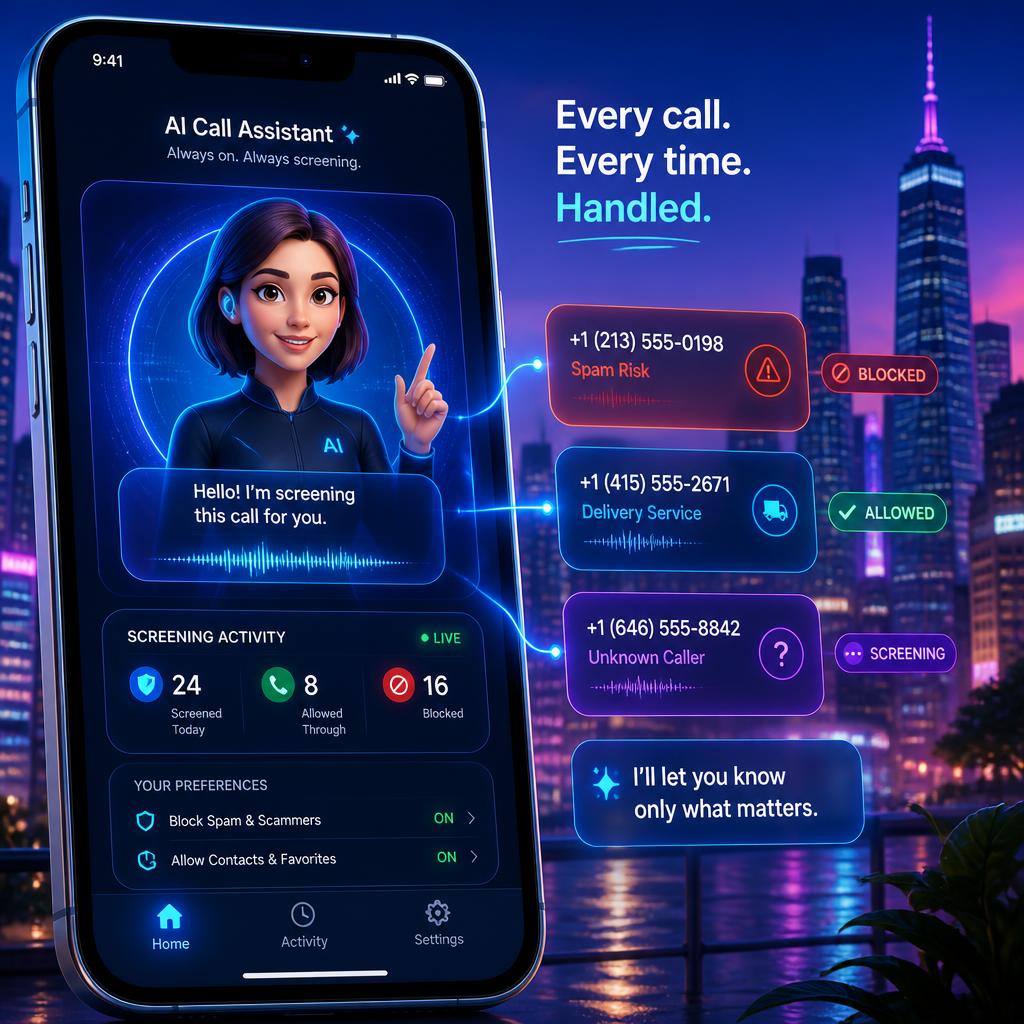
The product itself is built around a single, deliberately human framing. Every user is assigned what Profound calls an AI Rep, which begins its relationship with a professional through a 30 minute voice conversation, gathering context on their experience, expertise, working style, ambitions, and broader career situation. From there, the AI Rep works continuously in the background, identifying relevant opportunities, facilitating introductions, and handling the kind of routine professional interactions that currently consume disproportionate time and attention, while, according to the company, letting users retain control over the decisions that actually matter.
“Just as actors have agents and athletes have managers, Profound gives each professional their own AI Rep,” said Anuj Rathi, Profound’s cofounder and chief executive, framing the platform’s core pitch in language deliberately borrowed from professions where personal representation has long been standard practice, rather than a novelty.
Profound is not building this purely as a consumer tool either. The platform also targets employers directly, offering AI Reps for specific roles and teams, a framing intended to help organisations capture deeper context about the work itself and improve talent discovery beyond what a static job description or resume can convey. The founders’ longer term vision extends further still, an ecosystem in which AI Reps representing individuals, roles, and entire organisations interact with one another directly, enabling what the company describes as richer discovery and more trusted professional connections, built and maintained without a human having to initiate every single introduction personally.
The seed round backing this vision reads less like a typical early stage cap table and more like a roll call of some of India’s most recognisable consumer technology names. Participating angel investors include Sriharsha Majety, chief executive of Swiggy, Nandan Reddy, Swiggy’s cofounder, Pankaj Chaddah, Zomato’s former cofounder, Harshil Mathur, chief executive of Razorpay, Kunal Shah, WhatsApp’s global head, and Bhuvan Gupta, cofounder of OfBusiness, alongside institutional backing from Stellaris Venture Partners and 3one4 Capital.
One investor backing the round framed the underlying thesis plainly, arguing that resumes and static professional profiles simply cannot capture judgment, working style, or genuine career context, and describing Profound’s bet as rebuilding that entire representation layer for an AI first world.
The capital itself is earmarked for fairly specific priorities, expanding Profound’s engineering and product teams, strengthening its underlying AI capabilities, and accelerating development of its matching and introductions engine, the system responsible for actually connecting AI Reps to relevant opportunities once they have gathered enough context about a professional to do so meaningfully. The company’s stated near term ambition is to onboard one million professionals globally before opening its platform to a considerably wider public beta later this year.
It is worth applying real scrutiny to how genuinely differentiated this specific pitch is, rather than treating a strong founding team and an unusually well connected cap table as evidence the underlying product idea is guaranteed to work. AI powered career and networking tools have proliferated rapidly over the past two years, ranging from résumé optimisation platforms to AI recruiting copilots to LinkedIn’s own steadily expanding AI features, and Profound’s core differentiator, a voice first onboarding conversation feeding a persistent, continuously updated professional context layer, is a genuinely thoughtful design choice, but one that will need to prove considerably more useful in practice than the sum of its individual, already familiar component ideas, structured intake interviews, AI matching engines, automated networking suggestions, that other products have each attempted separately with mixed results.
There is also a fair question worth asking about trust and delegation that sits at the very centre of Profound’s value proposition. Asking professionals to hand meaningful representation authority to an AI system, even one explicitly designed to let users retain control over important decisions, requires a level of comfort with automated professional judgment that remains genuinely unproven at scale, particularly in contexts like salary negotiations, reference conversations, or sensitive career transitions where the difference between an AI Rep accurately representing someone’s intent and subtly misrepresenting it could carry real professional consequences. The company’s own framing, that this becomes an integral part of professional life as AI becomes more deeply embedded in workplaces, is a reasonable bet on where the broader technology trend is heading, but it is a bet on a genuinely open question rather than a settled one.
None of this diminishes the genuine credibility this founding team and investor list bring to a category that has, until now, produced more incremental tools than genuinely new professional infrastructure. Whether Profound’s AI Rep becomes a category defining product that meaningfully changes how professionals discover opportunities and represent themselves in a world increasingly mediated by AI, or simply one well funded, well connected entrant among many chasing a similar vision of AI powered professional representation, will depend far less on this seed round’s impressive backer list, and considerably more on whether the platform’s first million users actually find their AI Rep trustworthy enough to hand it real professional stakes, rather than treating it as a clever novelty they experiment with once and quietly abandon.