
Ather Energy Rolls Out Pothole Plus Alerts For Gen 2 And Newer Electric Scooters Nationwide
Ather Energy has switched on Pothole Plus Alerts for its Gen 2 scooters, a feature nine years in the making, using data from its own connected fleet to warn riders about road damage before their wheels ever find it.
Highlights:
- Ather Energy has rolled out Pothole Plus Alerts to Gen 2 and newer scooters through an over the air update
- The feature covers the Ather 450 Apex, 450X and Rizta Z models across India
- Alerts warn riders of potholes, broken roads, uneven surfaces and speed breakers using fleet collected data
- CEO Tarun Mehta said the feature took nearly nine years to build, limited by data, not ideas
- The system also recommends the smoothest route to a destination, not just the fastest one
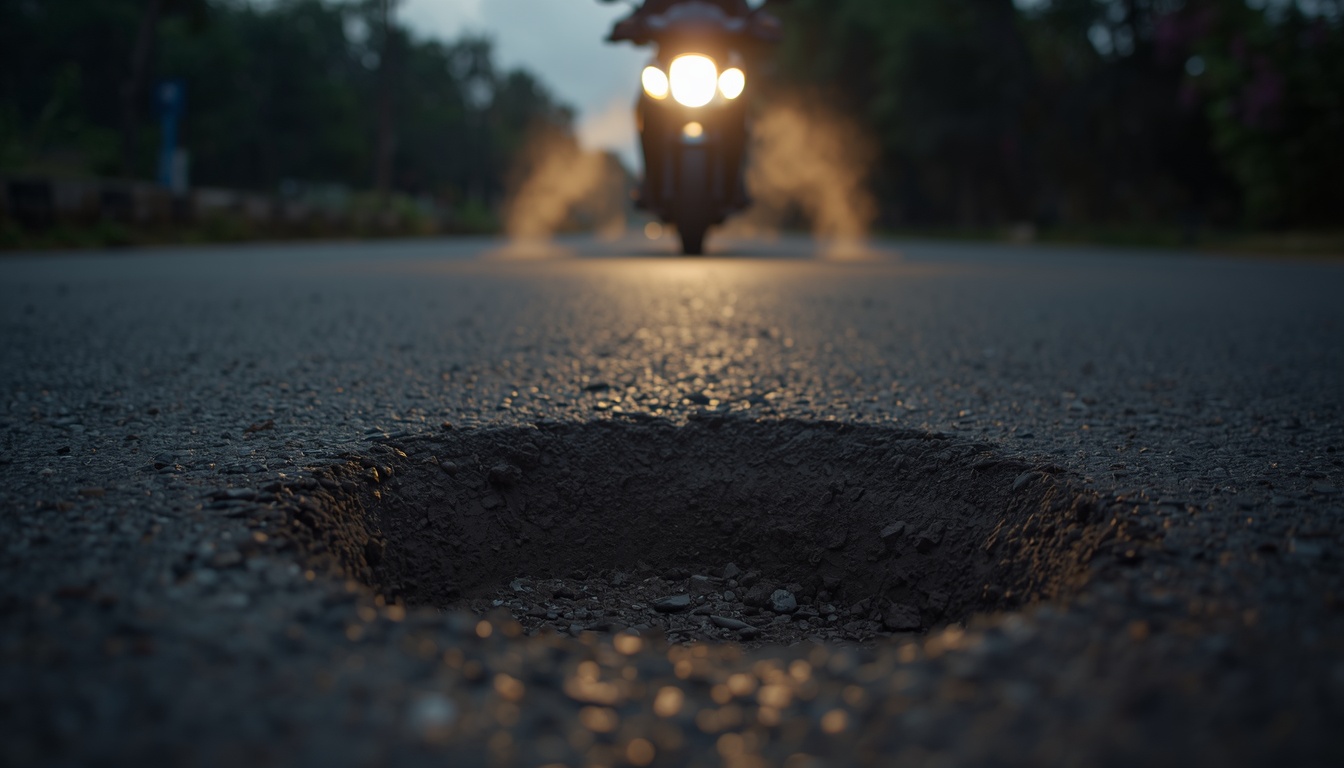
Every rider in India has lived some version of the same small drama, a sudden jolt, a swerve, a muttered word, all courtesy of a pothole that gave no warning it was there. Ather Energy has spent the better part of a decade trying to make that jolt a thing of the past, and this week, the feature finally arrived.
The Bengaluru based electric scooter maker has begun rolling out Pothole Plus Alerts to customers riding Gen 2 and newer scooters, a software update delivered over the air rather than requiring a workshop visit, covering the Ather 450 Apex, 450X, and Rizta Z models.
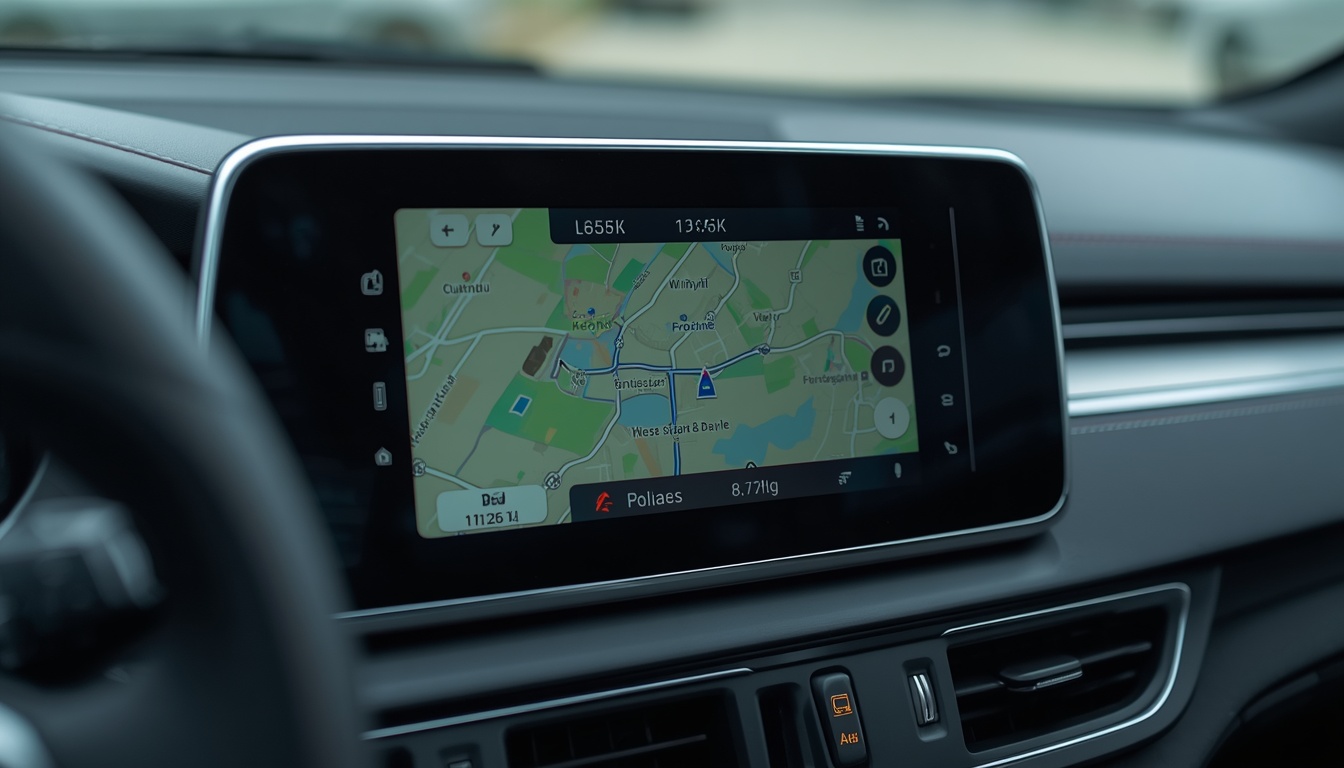
The mechanics of the feature are refreshingly simple to describe, even if building them took years. While a rider actively navigates using the scooter’s onboard system, Pothole Plus scans the route ahead and warns of potholes, broken road patches, uneven surfaces, and speed breakers before the scooter actually reaches them. Alerts appear visually on the scooter’s TFT dashboard, and can also be delivered as audio prompts through the vehicle’s built in speakers, the Ather Halo smart helmet, or any paired Bluetooth headset, letting riders keep their eyes on the road rather than glancing down at a screen.
There is a second, quieter layer to the feature that matters just as much as the warnings themselves. Before a ride even begins, the system now suggests the smoothest route to a destination, not simply the fastest one, a distinction that acknowledges something every two wheeler rider already understands instinctively, that the shortest path and the least punishing path are frequently not the same road at all.
Announcing the rollout on X, Ather cofounder and chief executive Tarun Mehta described the feature as nearly nine years in the making. “The challenge was never the idea. It was the data,” he wrote.
That single line does a lot of quiet explaining. Mehta went on to describe exactly what building this kind of system actually demanded, a sufficiently large connected fleet travelling the same roads repeatedly over time, generating the scale of aggregated road intelligence needed to distinguish a genuine hazard from a one time sensor glitch or a wet patch of tarmac that only looked like damage. Every Ather scooter ships with onboard compute and continuous connectivity, and it is that steadily accumulating dataset, collected quietly in the background of ordinary commutes for years, that finally made Pothole Plus reliable enough to ship.
The feature was not sprung on customers without warning. Ather first showcased Pothole Plus publicly at its Community Day 2025 event, giving riders and industry watchers a preview well before this week’s actual rollout, a gap that suggests the company spent the intervening months validating the system’s accuracy against real world conditions rather than rushing a preview feature straight into production.
“Pothole+ Alerts is just the beginning,” Mehta added, describing plans to build further rider experiences on top of the same growing road intelligence dataset that made this feature possible in the first place.
This is not Ather’s only recent software push either. The company has also been rolling out a Voice on Ather feature through a separate over the air update, part of a broader pattern of treating its scooters less like static hardware and more like a platform that keeps gaining capability long after a customer has already ridden it home, a strategy that increasingly mirrors how smartphone makers, rather than traditional two wheeler manufacturers, think about product lifecycle.
It is worth applying a fair amount of scrutiny to how reliable a system like this can genuinely be at launch, rather than assuming nine years of development guarantees flawless accuracy from day one. Crowdsourced road hazard detection, wherever it has been deployed globally, tends to face a consistent set of practical limitations, coverage is only as good as the density of vehicles that have actually travelled a given stretch of road recently, meaning newly damaged roads or less frequently travelled routes are likely to be flagged with real delay compared to heavily trafficked corridors where Ather’s fleet density is highest. A pothole that formed yesterday on a quiet side street is considerably less likely to have already been logged than a familiar crater on a busy arterial road that thousands of Ather riders cross daily.
There is also a fair question about how this feature behaves for exactly the riders who might benefit from it most, those in smaller towns and rural stretches where Ather’s connected fleet density is naturally thinner than in Bengaluru, Delhi, or Mumbai. A system built on aggregated fleet intelligence is, almost by definition, weakest precisely where road quality tends to be worst and where an early, reliable warning would matter most. Ather has not published specific accuracy figures or coverage density data alongside this rollout, information that would meaningfully help riders calibrate how much to actually trust the alerts in unfamiliar territory, rather than treating them as a uniformly reliable safety net regardless of where they happen to be riding.
None of this undercuts the genuine cleverness of what Ather has built. Turning years of quietly collected, seemingly mundane telemetry into a feature that makes an everyday commute measurably safer is exactly the kind of patient, unglamorous engineering that rarely makes headlines until it finally ships. Whether Pothole Plus Alerts becomes reliable enough, quickly enough, across enough of India’s genuinely varied road conditions to matter for the riders who need it most, or whether it remains most useful in the dense, well mapped urban corridors where Ather’s fleet already travels thickest, is the question that will decide whether this nine year wait was worth it for every rider, or mostly for the ones already living somewhere Ather’s scooters have been watching the road the longest.