

Antler India Bets On AI Climate Tech And Deeptech With Its Newest Startup Cohort Showcase
Antler India showcased its newest cohort of founders this month, betting on artificial intelligence, climate technology, and deeptech even as it shrinks each batch and slows its own pace, chasing quality over the volume that once defined early stage investing.
Highlights:
- Antler India held its newest founder showcase in Bengaluru on July 21, spotlighting its latest residency cohort
- The firm has backed more than 110 companies in India since 2020 through a Rs 2 crore for 9 percent equity model
- Antler India’s own data shows deeptech and AI startups now make up a majority of applicants, up sharply from past cohorts
- Partner Nitin Sharma flagged spacetech, defencetech, advanced manufacturing, robotics, and biotechnology as sectors seeing rising founder interest
- Past Antler India portfolio companies include defence startup Armory, proptech firm HouseEazy, and satellite servicing company InspeCity
Most venture capital firms measure their own relevance by how many companies they can say yes to. Antler India appears to be doing something quietly contrarian, measuring itself by how much more selectively it can say yes, and betting that a smaller circle of founders working on genuinely harder problems is worth more than a wider one chasing easier ones.
The firm brought its latest residency cohort in front of an audience in Bengaluru on July 21, its own annual showcase promoted with a simple but pointed statistic, more than 95,000 applications and conversations have passed through Antler India’s pipeline, and only a tiny fraction of that ever makes it onto a stage like this one.
To understand why that filtering ratio matters, it helps to understand what Antler actually is. Founded in Singapore in 2017 and expanded to India in 2020, Antler operates a residency style venture model rather than a conventional accelerator, one built around finding, funding, and sometimes even cofounder matching for entrepreneurs before their companies fully exist. Through its maiden 75 million dollar fund, Antler India has now backed more than 110 companies, typically writing early cheques around Rs 2 crore in exchange for roughly 9 percent equity, a structure designed to move fast at the earliest, riskiest stage of a company’s life, well before most institutional investors would consider looking.
What has shifted meaningfully over the past year is not the model itself, but the kind of founder walking through Antler’s door. Speaking on the sidelines of an earlier cohort showcase, Rajiv Srivatsa, partner at Antler India, described the change in fairly stark terms, noting that roughly 7 out of 11 startups in one recent cohort were working on AI and deeptech solutions, a sharp rise from previous batches where such founders were, in his words, far fewer.
“At the stage at which we invest, the biggest difference we are seeing is the ambition of the founders who are coming in,” said Nitin Sharma, partner at Antler India. “It is partly a function of the excitement around what the government is doing and how many other deeptech companies in India are scaling. And also founders who are coming back from other countries to build in India.”
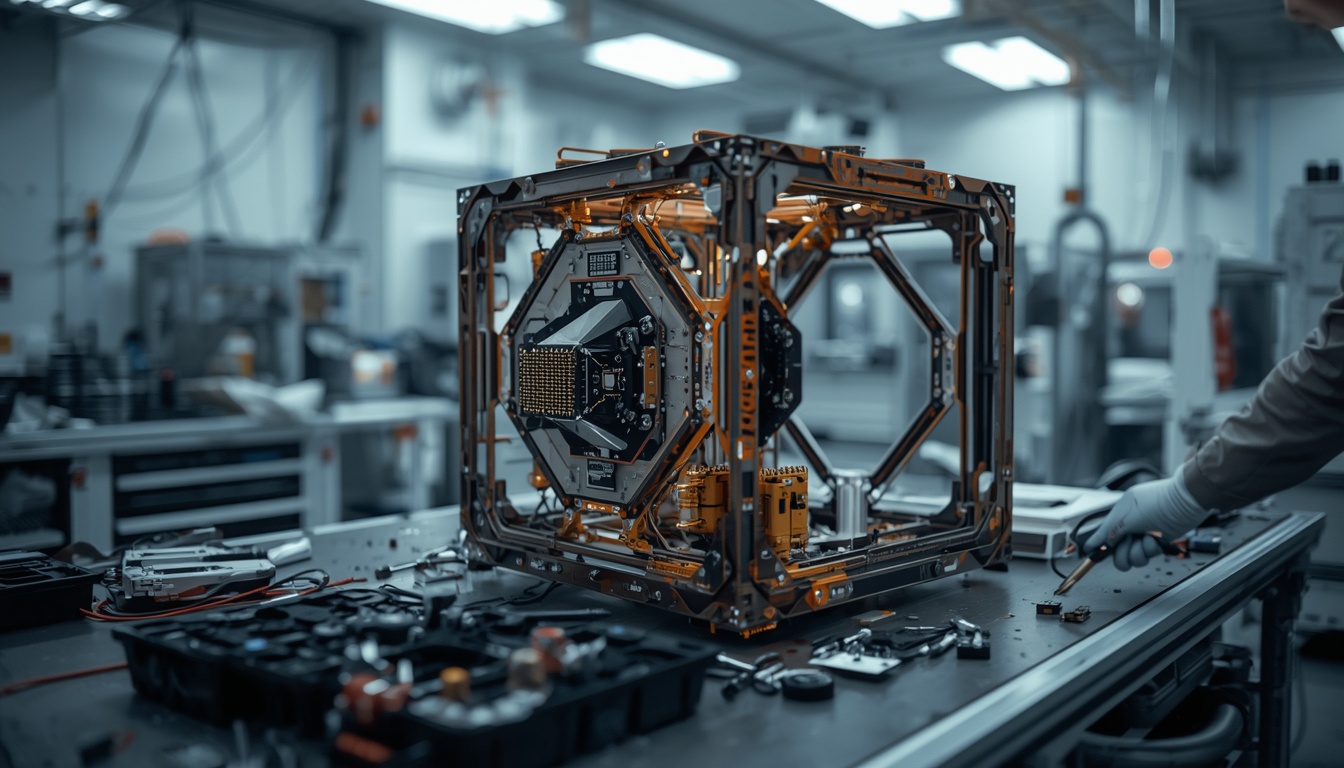
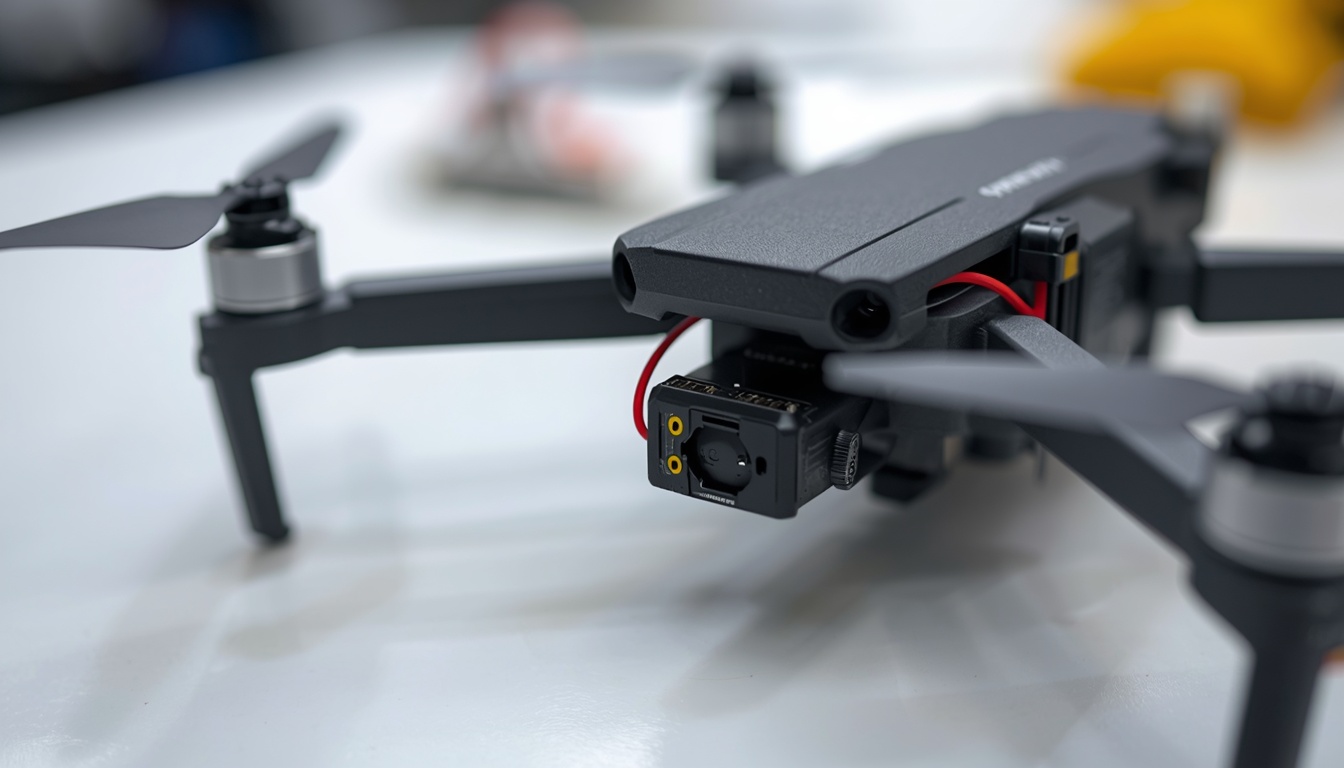
Sharma went further, naming the specific frontiers where he sees the sharpest rise in genuinely ambitious founder interest, spacetech, defencetech, advanced manufacturing, robotics, and biotechnology, categories that, taken together, describe a startup ecosystem reaching well past the software and consumer app territory that defined Indian entrepreneurship for the better part of the last decade. He noted the firm is currently evaluating a gene editing startup out of India positioning itself as an alternative to CRISPR, the kind of scientifically ambitious, long horizon bet that would have been a difficult sell to most early stage Indian investors just a few years ago.
That ambition has visibly reshaped how Antler itself operates. Rather than running larger cohorts more frequently, the firm has moved toward smaller, more curated batches on a tighter, roughly 45 day cycle, with a new cohort beginning every quarter. Srivatsa described the logic behind that shift plainly, that founders arriving with clearer conviction about what they want to build let Antler connect them faster and more precisely with the right mentors, advisors, and sessions, rather than spreading thinner support across a larger, more scattered group.
“Because we are doing that once a quarter, we also have to turn around within a 45 day cycle,” Srivatsa said, describing the firm’s newest residency intake. “We would have made investment decisions by March 15th, which is the fastest, and that essentially means the expectation of what the founder comes to us with is also slightly higher.”
The proof Antler points to for this approach sits in its own alumni list, and it is a genuinely strong one by early stage standards. Past cohort founders now include Armory, a defence startup the firm describes as India’s answer to Anduril, which has secured a Rs 100 crore Ministry of Defence order after raising Rs 35 crore. HouseEazy, a proptech company that has closed a Rs 150 crore Series B and transacted more than 2,500 homes. InspeCity, working on in orbit satellite servicing and having raised over 7.2 million dollars. And Navana.ai, a voice AI company already live with Bajaj Finserv. Antler’s own promotional framing claims roughly 80 percent of Showcase alumni go on to raise from top tier funds, a genuinely strong conversion rate if it holds up consistently across cohorts rather than being weighted by a handful of standout names.
It is worth applying real scrutiny to how much of this shift is Antler genuinely getting better at spotting deeptech talent, versus simply riding a broader wave that is lifting every early stage investor in India at once. India’s deeptech and AI funding environment has grown considerably more crowded and better capitalised over the past two years, with dedicated government programmes, corporate accelerators, and rival venture firms all competing for the same pool of scientifically ambitious founders. Antler’s claim of rising founder ambition is plausible and consistent with broader industry trends, but it is also, convenient for a firm whose entire pitch depends on being seen as the place where the most serious founders now show up first.
There is also a fair question worth asking about survivorship in how these success stories get told. A handful of standout portfolio companies, however genuinely impressive, do not tell you what happened to the considerably larger number of founders who passed through Antler’s residency and did not go on to raise meaningful follow on capital, a category that, by the basic math of early stage investing, almost certainly outnumbers the winners by a wide margin. Antler’s shift toward smaller, more selective cohorts may well improve those odds over time, but it is a strategy that will only be genuinely validated by cohorts several years from now, not by this month’s showcase alone.
None of this undercuts the genuine significance of what the shift represents for India’s broader startup ecosystem. A venture firm choosing to shrink its batch sizes and slow its own pace specifically to chase harder, more technically demanding categories, spacetech, defencetech, biotechnology, gene editing, is a meaningful bet that India’s entrepreneurial talent pool has matured enough to support that kind of ambition at the earliest possible stage. Whether Antler India’s newest cohort of founders becomes the next Armory or InspeCity, or whether this particular group simply adds to the far larger, quieter pile of early stage bets that never quite compound the way this month’s showcase hopes they will, is a question only time, and considerably more follow on funding rounds, will actually answer.