
Reliance and Meta Build India’s First AI Grade Data Centre in Jamnagar Gujarat
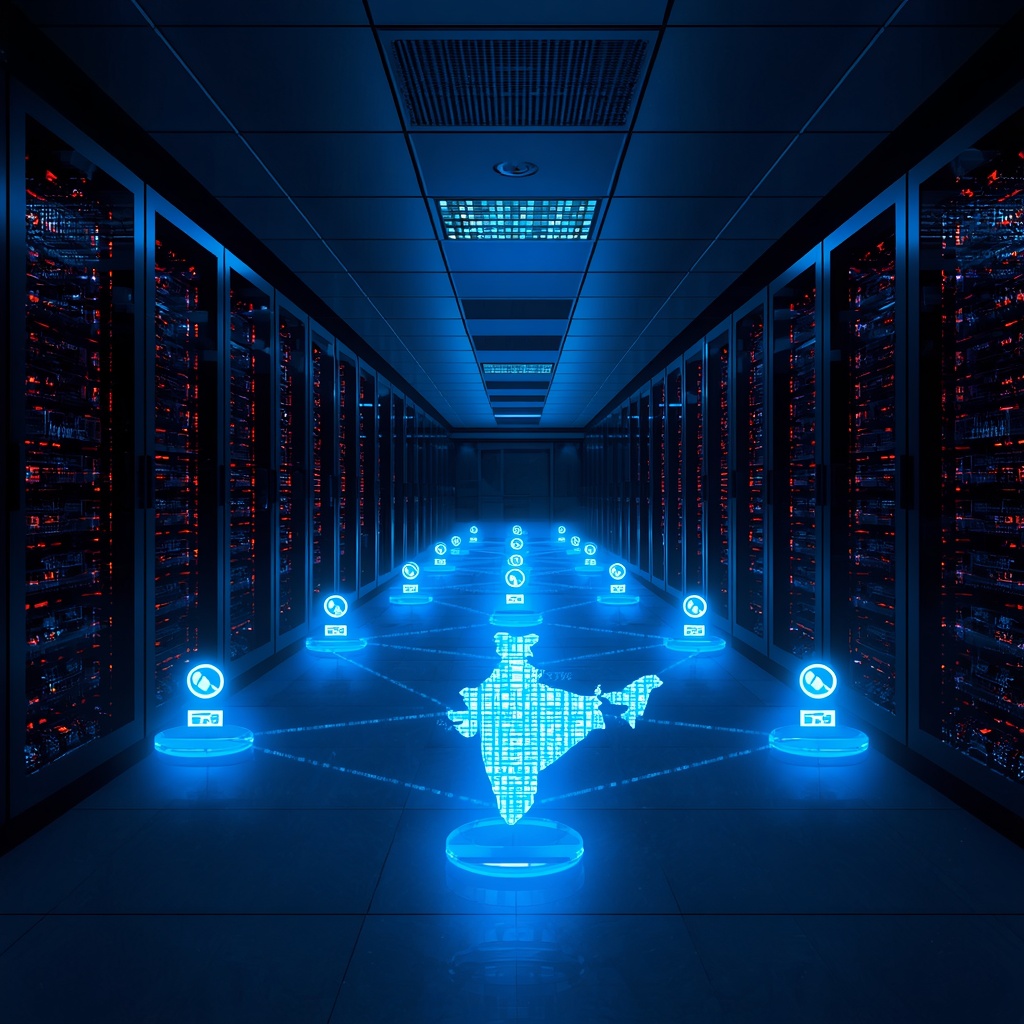
Meta and Reliance just turned a refinery town in Gujarat into India’s first hyperscale AI computing address. This is not a press release partnership. It is the third and most consequential chapter in a six-year bet on India’s digital future.
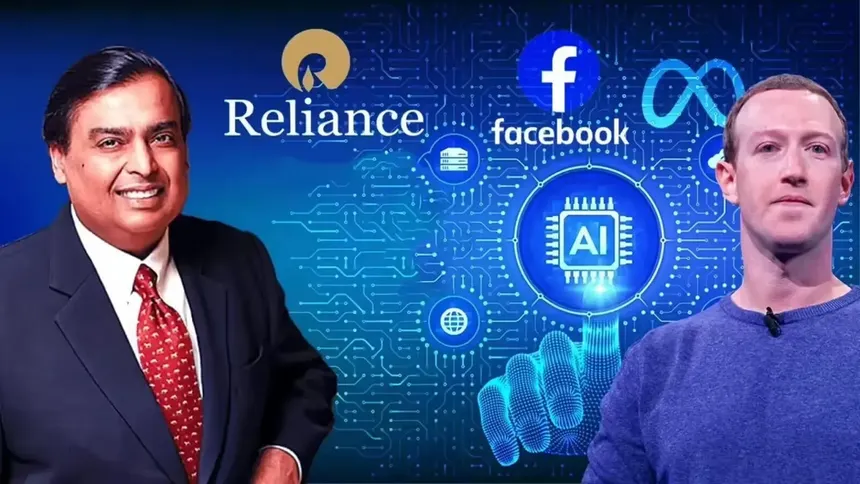
Most big corporate announcements are dressed up to look more significant than they are. This one is the opposite. When Reliance Industries and Meta jointly said on June 10 that they would build a 168 megawatt AI-enabled data centre in Jamnagar, Gujarat, the headline number undersold what was actually being announced. This is not just a real estate deal between two companies that happen to know each other. It is the moment a six-year strategic partnership between two of the world’s most powerful companies completed its third and final layer, and in doing so, changed what Jamnagar means on a global map.
To understand why this matters, you have to go back to 2020. That was the year Meta placed a $5.7 billion bet on Jio Platforms, Reliance’s digital subsidiary, in what was at the time one of the largest single foreign investments in India’s technology sector. The logic was straightforward: India had more than a billion people coming online, most of them through Jio’s network, and Meta needed to be embedded in the infrastructure layer to reach them at scale. That first chapter was about connectivity. Then in August 2025, the two companies announced a joint venture to deploy Meta’s open-source Llama AI models for Indian enterprises across sales, marketing, customer service, IT, and finance. That second chapter was about software and commerce. The Jamnagar data centre is the third chapter. It is about physical compute, and it is the one that makes everything else real.
Under the agreement, Reliance will build the 168 MW facility at its industrial campus in Jamnagar, a city on the Gulf of Khambhat that has long been defined by Reliance’s petrochemical and refining operations. Meta will lease the capacity under a long-term agreement, with a written option to scale beyond the initial 168 MW as demand grows. Meta picks up the full cost of energy and water at the facility. Reliance handles construction, operations, and end-to-end services. The project is scheduled for delivery within two years. For a facility of this scale, that is not a modest timeline. It is an aggressive one, and it is Reliance’s track record of large project execution, the same organisation that built one of the world’s largest refinery complexes in the same city, that makes it credible.
The engineering choices inside the facility are worth paying attention to. The data centre will be powered entirely by renewable energy. Cooling, which is one of the most resource-intensive aspects of running high-density AI computing, will use desalinated seawater rather than freshwater drawn from municipal or underground sources. That choice is more expensive and more complex to engineer than conventional cooling approaches, but it makes sense in Jamnagar specifically because the coastal location provides access to seawater at scale, and because Reliance is simultaneously developing one of the world’s largest data centre campuses in the area using its existing investments in solar, wind, and green hydrogen energy infrastructure. The facility is not being dropped into a greenfield site. It is being layered on top of an energy and industrial ecosystem that Reliance has been building for decades.
Meta separately announced that it has contracted nearly one gigawatt of new clean energy across India through CleanMax, which will supply 837 MW from projects in Rajasthan and Karnataka, and Fourth Partner Energy, which will supply 88 MW. That brings Meta’s total clean energy commitment in India significantly above what the Jamnagar facility alone requires, and signals that the company is positioning India not just as a consumer market but as a site of genuine infrastructure investment.
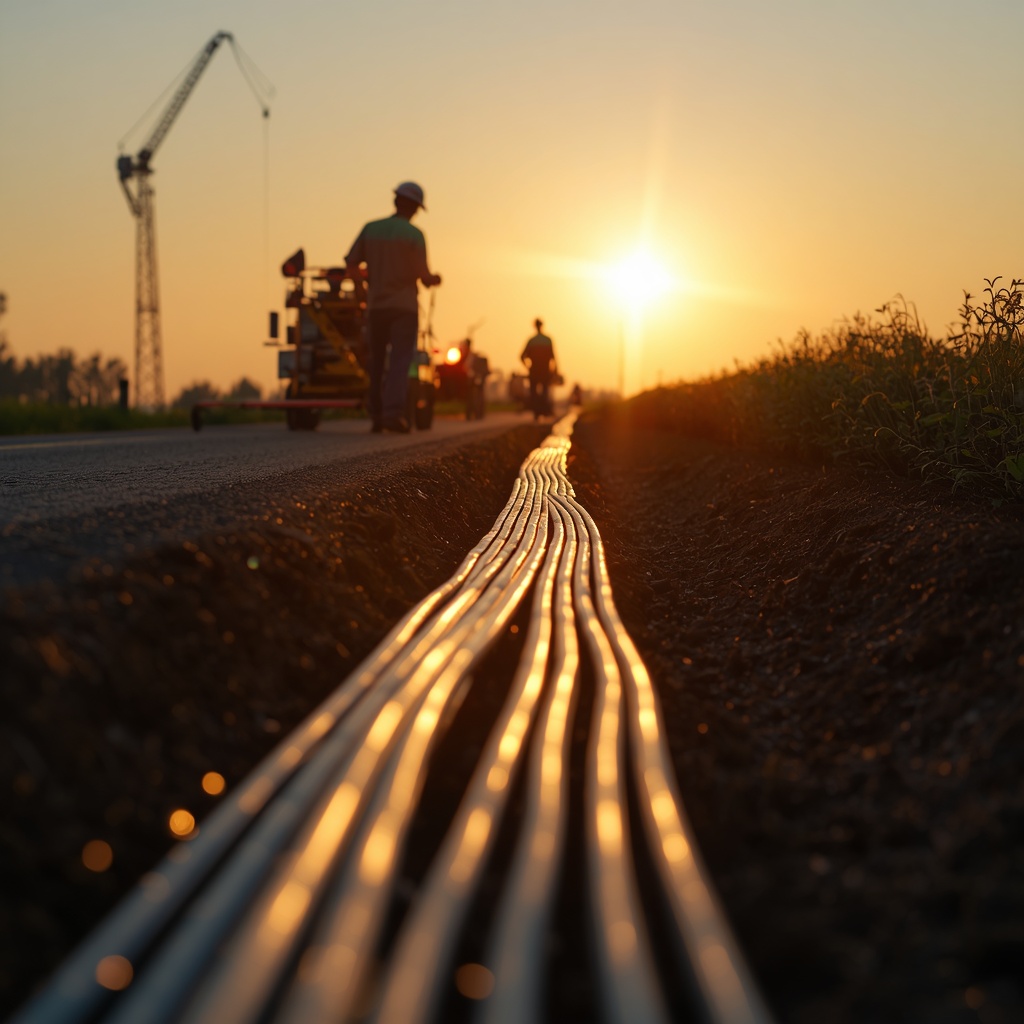
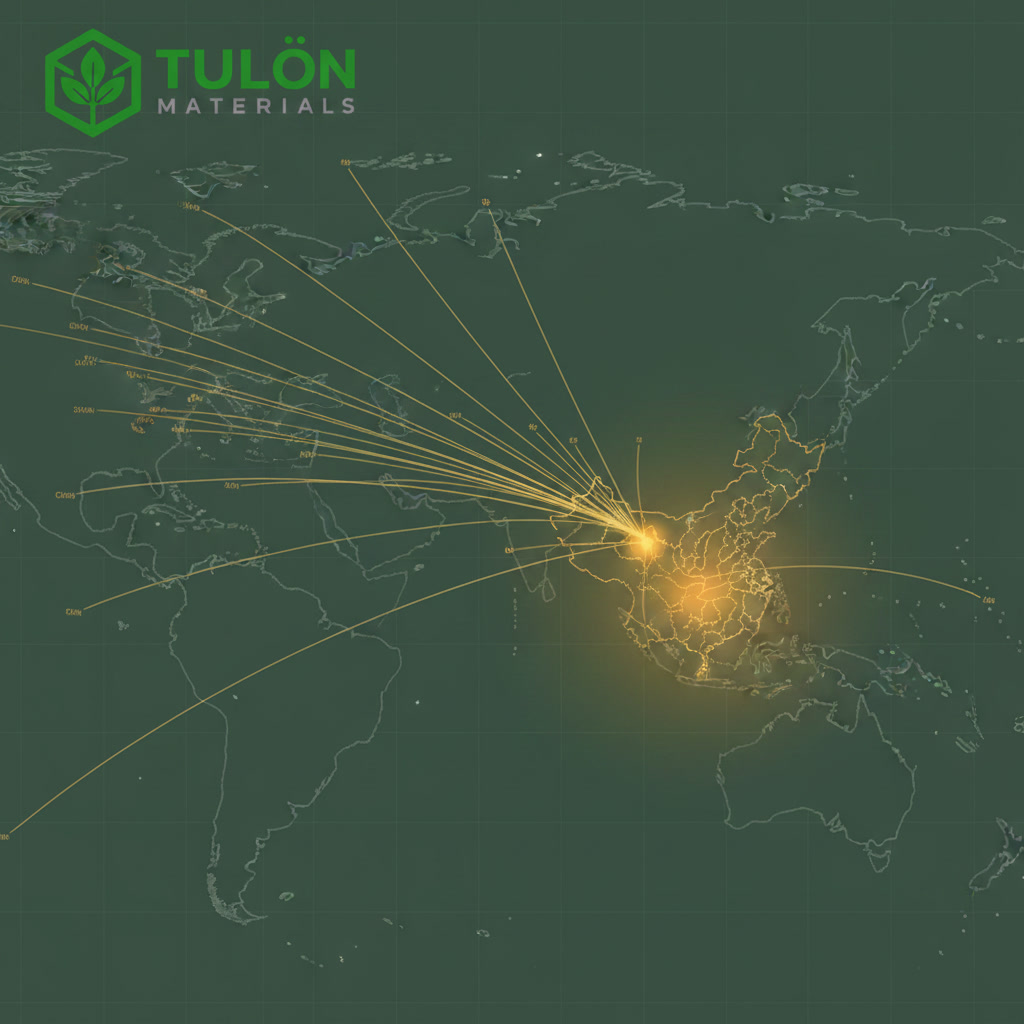
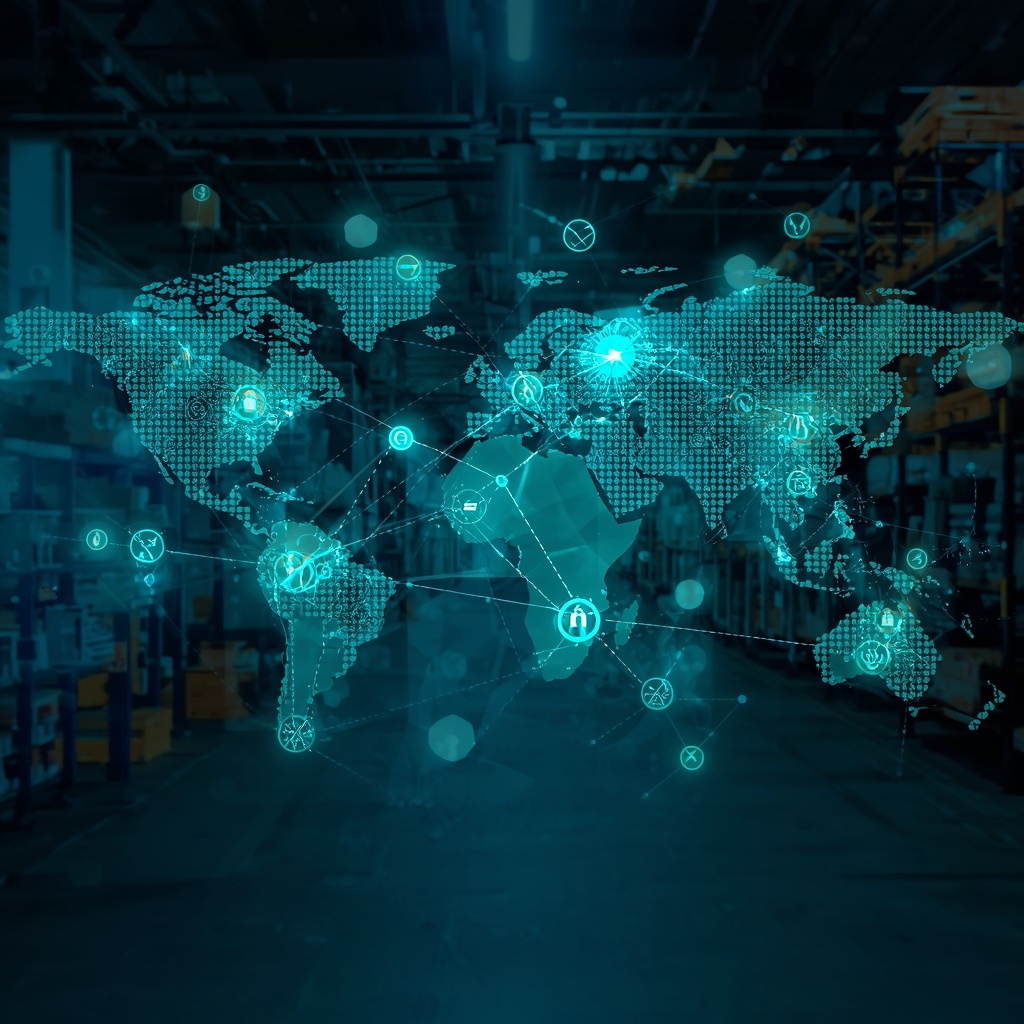
The connectivity piece is what elevates this beyond a standard hyperscale deal. The Jamnagar facility will be integrated with Project Waterworth, Meta’s planned 50,000 kilometre subsea cable system that will link the United States, India, Brazil, and South Africa using 24 fibre pairs, roughly double the bandwidth of most other new submarine cables. The cable uses first-of-its-kind routing at depths of up to 7,000 metres and enhanced burial techniques in shallow coastal zones to protect against damage. Jamnagar sits close to India’s western submarine cable landing stations and is directly connected to Jio’s fibre network, which means the data centre will have local compute, owned intercontinental fibre, and national fibre access all converging in one location. A data centre without global connectivity is a local serving node. What Meta is building at Jamnagar is a node on its own global backbone.
Mark Zuckerberg described the facility as a step toward delivering what he called personal superintelligence to one of Meta’s largest and fastest-growing communities in the world. The language is ambitious, but the commercial logic behind it is grounded. Meta reported 3.56 billion daily active users across Facebook, Instagram, WhatsApp, and Messenger in Q1 2026. India is its largest user base for Facebook and among its leading markets for AI-powered services. Running AI inference for that population from a facility inside India, rather than routing requests through overseas data centres, reduces latency, improves response quality, and directly supports compliance with India’s Digital Personal Data Protection Act, which began phased implementation in November 2025 and is scheduled to reach full compliance by May 2027. The regulatory tailwind and the commercial need are pointing in the same direction.
Mukesh Ambani called the partnership a transformative moment for India’s digital infrastructure. The phrase is used often enough in press releases to invite scepticism. In this case, the scepticism may be misplaced. India has been talking about becoming a global data centre hub for years. The country has the land, the energy potential, the fibre network, and the engineering talent to make it real. What it has lacked, until recently, is a confirmed anchor tenant of Meta’s scale willing to commit capital and sign a long-term lease on a custom-built facility. That anchor is now in Jamnagar. Meta’s global capital expenditure guidance for 2026 stands at $125 to $145 billion, driven almost entirely by AI infrastructure. The fact that India captured a facility of this scale and specification from that budget is a signal worth taking seriously.
The honest question to sit with is this: who captures the value? Reliance earns a long-term lease revenue stream and cements Jamnagar as a platform for further data centre clients. Meta gets the compute and connectivity infrastructure it needs to serve and monetise one of the world’s largest internet populations. Indian enterprises and developers will have access to Llama-powered AI tools through the joint venture. India’s government gets a reference project it can use to attract the next wave of global investment. All of that is genuinely positive. What India does not automatically get from this deal is ownership of the AI models, control of the platform economics, or a domestic product company that compounds the value of the infrastructure over time. The facility is a foundation. What gets built on top of it, and by whom, is the question that will define whether this moment becomes a turning point or a very well-funded starting line