
Vetic Raises $40 Million Led by Bessemer Venture Partners to Scale India Pet Healthcare Network Nationwide
India now has more pet parents than ever, but almost no trustworthy system to care for the animals they love. Gaurav Ajmera started Vetic after his dog Simba did not get the care he needed. Four years later, Bessemer just wrote a $40 million cheque.
Gaurav Ajmera did not set out to build a healthcare company. He set out to find decent care for his dog Simba. When Simba fell ill, Ajmera encountered something that millions of Indian pet parents quietly know but rarely say out loud: the veterinary system in India is broken in a way that feels almost personal. The care is inconsistent. The records do not follow the animal from one clinic to another. There is no system behind the appointment, no follow-up after the treatment, no way for a worried owner to know at 2am whether what they are seeing is an emergency. You either know a vet personally or you navigate alone. Simba’s experience stayed with Ajmera long after the illness passed, and in 2022 he founded Vetic to build the system he wished had existed.
On June 18, 2026, Vetic announced a $40 million funding round led by Bessemer Venture Partners, with continued participation from existing investors Greenoaks Capital, Lachy Groom and JSW Family Office. This is not Bessemer’s first investment in the company. The global venture firm has backed Vetic across multiple rounds and is doubling down precisely because the business case has strengthened with every passing quarter. The fresh capital will be used to scale the clinic network, double the veterinary workforce from 250 to 500 professionals, roll out Vet at Home services across India within the next two fiscal quarters, and invest significantly in artificial intelligence and technology infrastructure.
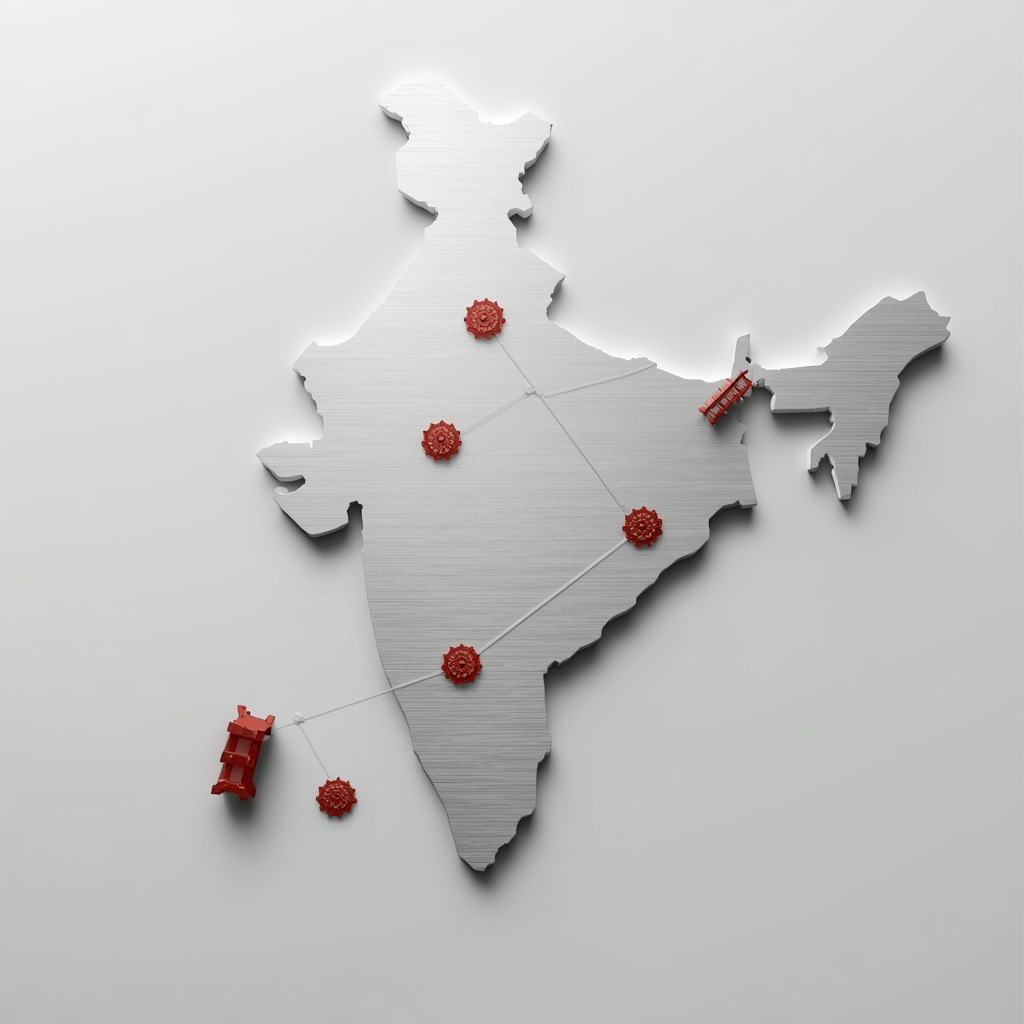
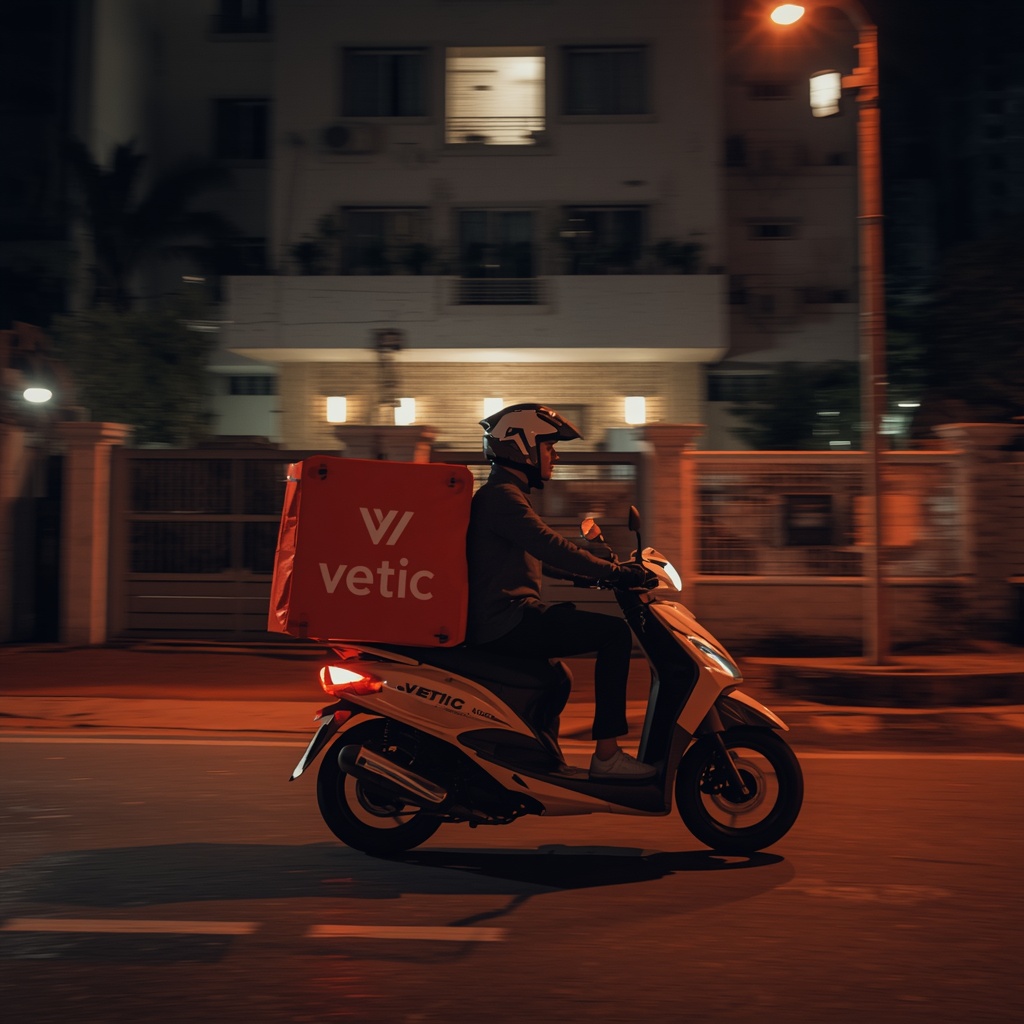
What Vetic has built in four years is worth understanding in full, because the numbers are not typical of a startup at this stage. The company now operates more than 65 clinics across 11 cities, supported by 15 facilities that run around the clock for emergencies. It has an e-pharmacy that delivers over 300 medicines to more than 700 pincodes within 60 minutes. It offers quick commerce for over 600 pet products. It has a wellness and insurance plan membership base that has crossed 60,000 subscribers. And it is underpinned by a proprietary operating system that captures longitudinal health records for every pet from the very first visit, which means a cat seen at a Vetic clinic in Bengaluru has her complete medical history accessible to a vet in Delhi. For an industry where most care has historically been episodic, reactive and undocumented, this is a genuine structural shift.
The timing of this raise matters. India’s relationship with pets has shifted, and it has shifted faster than anyone anticipated. Pets are no longer kept in the backyard or on the terrace. They sleep in beds, they have birthday parties, they are photographed more than most family members and they sit at the centre of emotional lives that are increasingly shaped by urban loneliness, delayed marriage and smaller households. The word “petparent” exists now in common usage in a way that it simply did not ten years ago. And petparents, as it turns out, are willing to spend money in ways that traditional pet owners never were. Veterinary care, nutrition, grooming, insurance, boarding, even therapy for anxious dogs. Every one of these is a market, and every one of them is currently served by a fragmented, unreliable, unorganised collection of independent clinics and small businesses.
Ajmera has spoken publicly about why this particular consumer category is so much harder to build than it looks. Veterinary care is not like selling a consumer app. It requires recruiting and training qualified professionals in a country where veterinary education is not standardised to the same degree as human medicine. It requires building supply chains for pharmaceuticals that are regulated differently from human drugs. It requires standardising clinical protocols across dozens of locations so that the quality of care a pet receives in Pune is genuinely comparable to what they receive in Mumbai. This is, in Vishal Gupta’s words, the “unglamorous work” that most consumer startups avoid. Vetic did it anyway.
The AI layer that Vetic has built on top of its clinical infrastructure is worth examining separately. The platform uses artificial intelligence for triage, meaning a petparent who opens the Vetic app with a concern gets an initial assessment before they even speak to a human. The AI also supports veterinarians with diagnostic intelligence, surfacing relevant data from a pet’s longitudinal health record at the point of consultation and flagging patterns that a human practitioner might miss in a busy clinic. And it delivers personalised guidance to petparents throughout their animal’s life journey, moving the company’s relationship with its customers from transactional visits to ongoing, proactive care. This is what Ajmera means when he talks about shifting pet healthcare from reactive crisis management to continuous always-on care.
Prior to this round, Vetic raised $26 million in its Series C in May 2025. The trajectory of that fundraising history, growing rounds, returning lead investors and strengthening unit economics, tells a story of a business that has earned its capital rather than chased it. Bessemer’s decision to lead again is the sharpest signal available in the private market that the underlying business is performing.
The ₹2.1 lakh crore petcare market projection for 2032 is a large number, but the more instructive figure is the current state of the market: almost entirely unorganised. Supertails raised $30 million in February 2026 for pet products and e-commerce. Vetic is building the healthcare infrastructure that sits underneath all of that. The two are not competitors so much as complementary bets on the same underlying shift in how India treats its animals. Whether Vetic can sustain the clinical quality it has built in 11 cities as it scales to 25 or 40 will be the defining operational test of the next two years. The capital to try is now in hand. The willingness of Bessemer to back that journey again is a form of institutional confidence that the rest of the market will read carefully.