
Adiabatic Technologies Raises Rs 8.3 Crore In Seed Funding To Scale Battery Systems For Robots, Drones, And Defence Uses
A Pune based startup that builds batteries nobody notices until they fail has raised seed funding to scale manufacturing for robots, drones, and defence hardware, betting that reliability, not price, is what wins contracts in India’s fast growing deep tech.
Highlights:
- Adiabatic Technologies, a Pune based deep tech startup, raised 8.3 crore rupees in a seed round co led by Malpani Ventures and Avinya Ventures
- The company designs custom lithium ion battery packs and battery management systems for robots, drones, defence equipment, and electric vehicles
- Adiabatic has deployed more than 20,000 battery systems across over 25 original equipment manufacturers since its founding in 2022
- Funds will go toward expanding manufacturing capacity to 100 megawatt hours annually and growing the engineering team
- The round follows an earlier 1.1 crore rupee angel round raised in November from Soonicorn Ventures
- The raise comes as global robotics startups have already attracted more funding this year than in all of last year
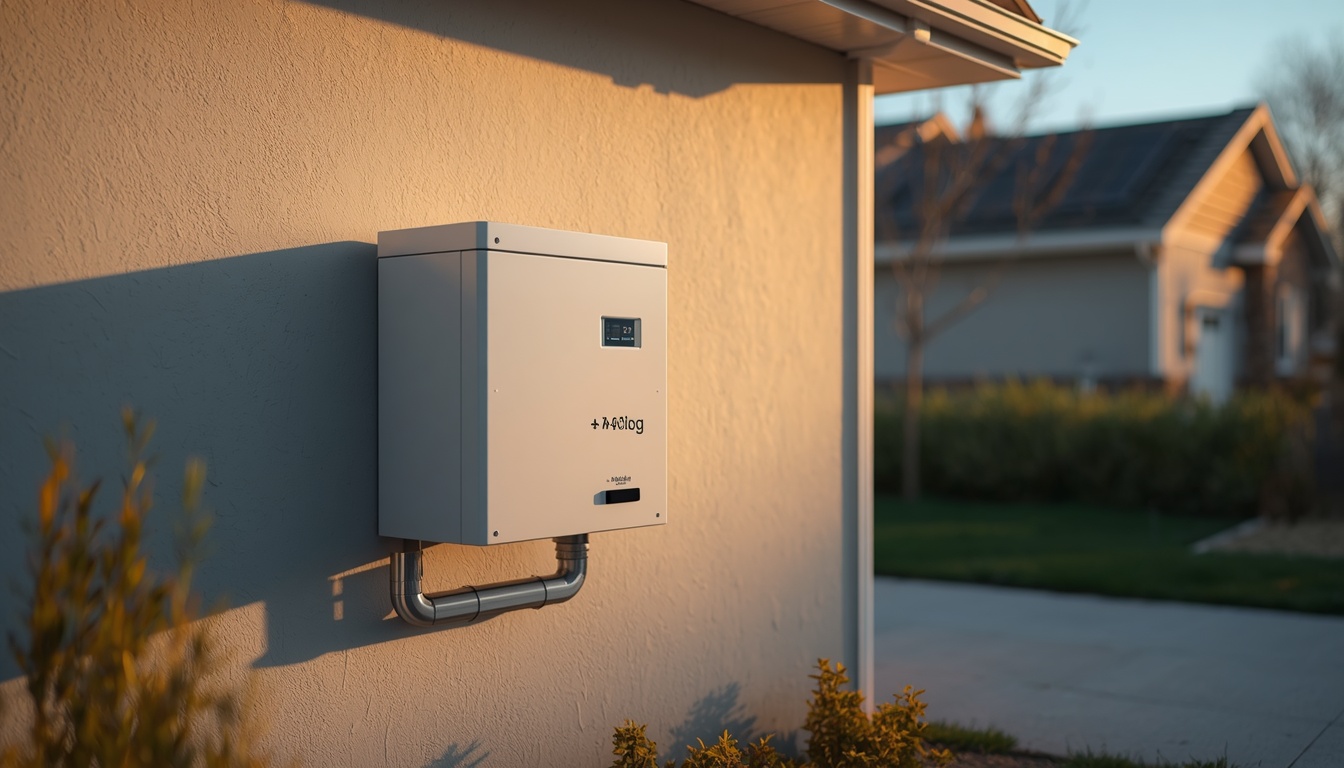
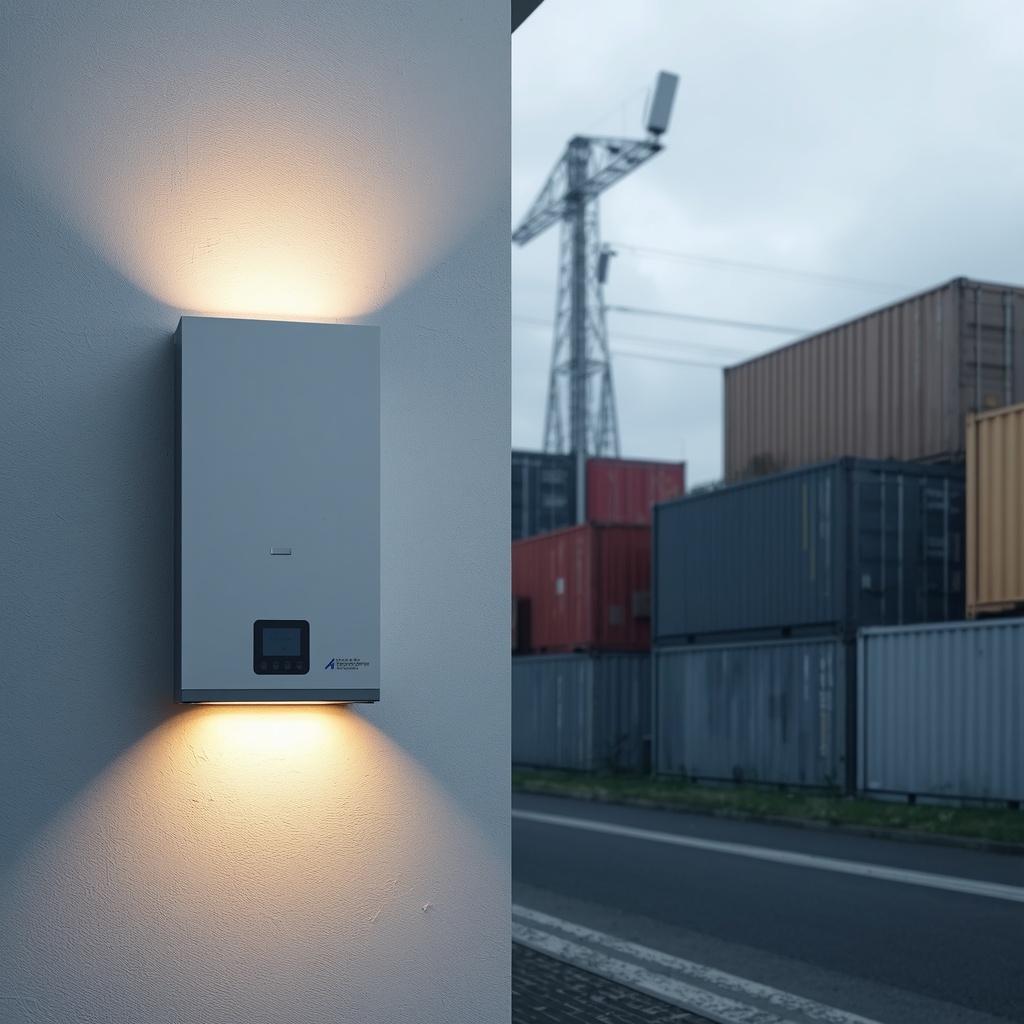
Adiabatic Technologies makes a product that rarely gets celebrated on its own, the battery pack and the software that manages it, yet without it none of the robots, drones, or defence hardware built on top of it would run for more than a few minutes. This week the Pune based startup said it had raised eight point three crore rupees in a seed funding round co led by Malpani Ventures and Avinya Ventures, with smaller checks from Appreciate Capital, DeVC, Operators Studio, and the UPES Incubator. It is a modest sum by the standards of India’s better funded startup sectors, but for a company selling into defence, robotics, and drone manufacturers who care more about reliability than price, modest capital used carefully can go a long way.
The company was founded in 2022 by Darshan Meher and has spent the years since building what is, at its core, an unglamorous but essential piece of hardware infrastructure. Adiabatic designs custom lithium ion battery packs, smart chargers, and proprietary battery management systems for original equipment manufacturers operating in what the industry calls high reliability sectors, meaning any application where a battery failure is not just an inconvenience but a safety or mission critical event. That list includes robotics, defence systems, drones, agricultural equipment, electric vehicles, and solar installations. According to the company, it now has more than twenty thousand battery systems deployed across more than twenty five different original equipment manufacturers, a scale of deployment that suggests the business has moved well past the prototype stage even though this seed round is still an early one in venture terms.
A battery management system, in plain terms, is the layer of electronics and software that sits between raw battery cells and the machine they power, constantly measuring voltage, temperature, and charge levels to stop the pack from overheating, overcharging, or draining unevenly across its individual cells. Consumer electronics get away with fairly generic versions of this technology because the cost of failure is usually just a damaged phone or laptop. A battery pack strapped to a surveillance drone flying over a sensitive area, or powering an autonomous robot moving heavy loads inside a warehouse, carries a different risk profile entirely, and that is the market Adiabatic has chosen to build for rather than competing in the far larger but lower margin consumer battery space. The company keeps its research and manufacturing operations within Maharashtra, part of a broader cluster of battery and electric vehicle component makers that has grown up around the state’s automotive manufacturing base in recent years.
What sets Adiabatic apart from simply buying battery cells off the shelf and packaging them, at least according to the company’s own account, is that it designs the entire system in house, from selecting individual battery cells through pack architecture, thermal management, and the proprietary software that monitors charge, discharge, and battery health in real time. For robots and drones operating in demanding conditions, this kind of tight integration matters more than it might for a consumer gadget. A battery pack on a warehouse robot or a surveillance drone needs to handle fast charging between shifts, sustain high discharge rates during operation, and fail safely rather than catastrophically if something goes wrong, all requirements that push toward custom engineering rather than generic components.
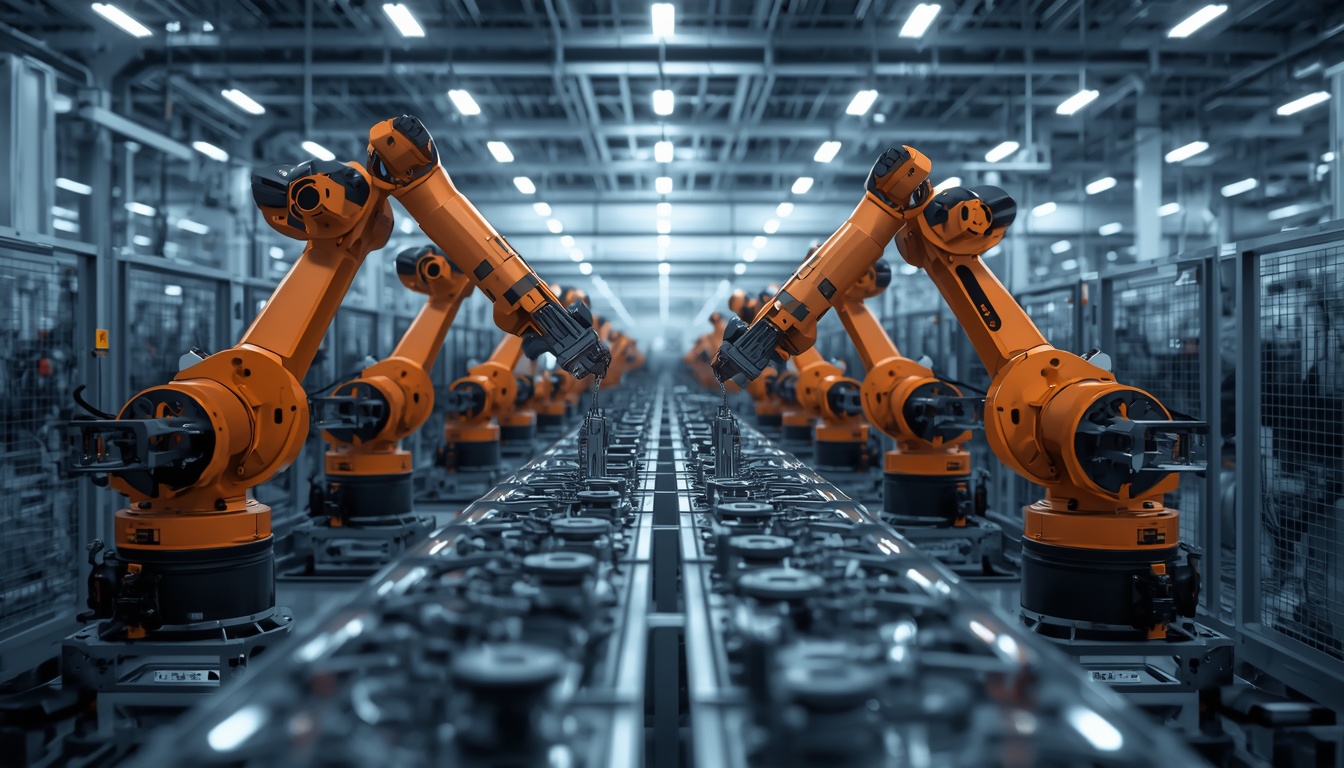
The fresh capital, small as it is in absolute terms, comes with a specific mandate. Adiabatic said the money would go toward expanding its manufacturing capacity to one hundred megawatt hours annually, a substantial jump that would let it supply many more customers at once, alongside accelerating product development, growing its engineering team, and scaling deployment of its battery systems specifically across robotics and defence applications. The company is also explicit about where it wants to go next, describing plans to focus on specialised battery platforms for robotics, autonomous mobile robots used in warehouses and factories, industrial automation more broadly, and unmanned aerial systems, all categories where reliability requirements are stringent and customers tend to stick with a supplier once qualified rather than switch on price alone. This is the second funding round for the company, following an earlier angel round of one point one crore rupees raised in November from Soonicorn Ventures and other investors, meaning Adiabatic has now raised a combined total of just under nine and a half crore rupees since its founding, a small figure next to some of the headline grabbing rounds elsewhere in Indian deep tech but consistent with a company that has prioritised paying customers over funding announcements.
The market backdrop helps explain why investors are willing to back a company at this stage and this size. India’s market for batteries used in unmanned aerial vehicles alone was valued at roughly eighty two million dollars in 2025 and is projected to grow more than sixteen percent annually through the end of the decade, according to industry estimates, while the country’s broader deep tech sector, spanning defence and robotics, is being targeted to reach thirty billion dollars in value by 2030. Globally, investors have poured close to nineteen billion dollars into robotics startups so far this year, already ahead of the fifteen billion dollars invested across the whole of last year, a sign that capital is flowing into the category even if most of it is landing on software and platform companies rather than the component suppliers that make those robots actually work.
Adiabatic’s raise is a small data point inside a much larger pattern building across Indian deep tech. By one count, the country is now home to nearly eight thousand deep tech startups, though only a fraction, roughly one in five, have gone on to raise institutional funding, and just a few hundred have made it as far as a Series A round. About two hundred new deep tech startups have launched in India so far this year alone. Government programs have tried to widen that funnel for defence adjacent hardware specifically, with schemes such as iDEX offering grants of up to ten crore rupees for advanced technology challenges, and dedicated defence corridors in Uttar Pradesh and Tamil Nadu pulling in domestic and international investment alike. Adiabatic’s seed round fits into that same broader push to build indigenous hardware suppliers rather than lean on imported components for systems where reliability and security both matter.
Adiabatic is not alone in trying to claim a piece of that shift. It competes directly with other Indian battery specialists such as EMO Energy, Clean Energy, Neuron Energy, and Inverted Energy, all chasing a similar customer base of robotics, drone, and defence manufacturers who need power systems they can trust. The comparison to peers is instructive on size as well as strategy. Bengaluru based drone maker Suind, for example, recently raised twenty crore rupees, more than double what Adiabatic has now raised in total, to build autonomous flight software and expand its own drone manufacturing, a reminder that component and infrastructure suppliers like Adiabatic tend to raise smaller rounds than platform companies further up the value chain, even when their technology is just as essential to how the finished product performs.
Whether eight point three crore rupees is enough to hit a target as ambitious as one hundred megawatt hours of annual manufacturing capacity is a fair question, and one the company’s press announcement does not directly answer. Battery pack assembly, unlike manufacturing the underlying battery cells themselves, does not require the kind of enormous fabrication plants that cell makers need, since companies like Adiabatic typically source cells from established manufacturers and focus their own capital on pack design, assembly lines, testing equipment, and software. That makes a capacity target like this more achievable on a modest budget than it might first appear, though it still leaves little room for error or delay, and the company will likely need a larger round within a year or two if it wants to keep pace with the capacity and hiring plans it has just announced.
Adiabatic has not put a number on revenue or profitability in its funding announcement, which is worth noting plainly rather than glossing over. A seed round of this size buys meaningful runway for a small team, and one hundred megawatt hours of annual capacity would represent real manufacturing scale if achieved, but getting there requires capital intensive investment in production lines, testing equipment, and quality certification that a single crore heavy raise will only partly fund. The honest assessment is that Adiabatic looks like a genuinely useful, technically credible supplier riding a real wave of demand for robotics and defence hardware in India, but it remains, for now, a small player in a capital hungry, competitive niche, and this round buys it time and capacity rather than certainty. Whether that translates into the kind of scale its manufacturing targets imply will depend on execution over the next year or two, not on the funding announcement itself. For an ecosystem that likes to celebrate the drone or the robot on stage, Adiabatic is a reminder that the battery underneath is just as decisive to whether the whole system works in the field, even if it rarely draws the same attention or the same size of check.