
Zomato Enforces Zero Tolerance Policy Against Analogue Dairy Dishes Amid Rising Concerns Over Fake Paneer
Amid mounting scrutiny over synthetic paneer flooding Indian kitchens, the food delivery giant has delisted every dish declared to contain analogue dairy and warned restaurants of removal if they fail to switch back to the real thing.
Highlights:
- Zomato has delisted all dishes restaurant partners declared as containing analogue dairy
- Restaurants that fail to comply risk being delisted from the platform entirely
- Analogue dairy uses vegetable oils and starches to imitate paneer, cheese or butter
- Maharashtra has separately restricted the manufacture and sale of artificial paneer
- Restaurants must now verify ingredient labels and supplier declarations before listing dishes
- The move follows enforcement drives where hundreds of paneer samples failed quality checks
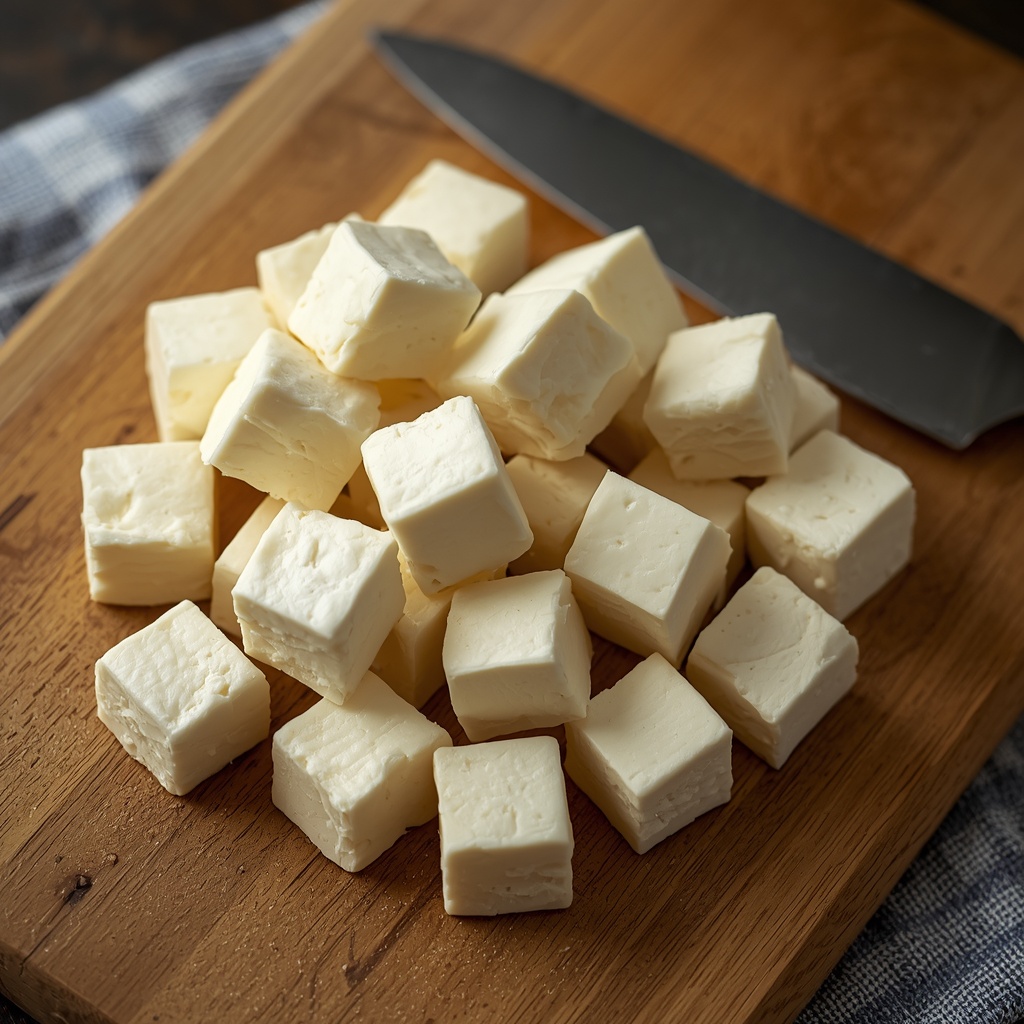
Zomato occupies a genuinely unique place in Indian food culture, a protein staple trusted enough that its quality rarely gets questioned by the average diner ordering it through a delivery app. That basic trust has come under real pressure over the past several months, as growing evidence of analogue, non-dairy substitutes being passed off as genuine paneer across restaurant kitchens has pushed food safety regulators and, now, India’s largest food delivery platform to act directly.
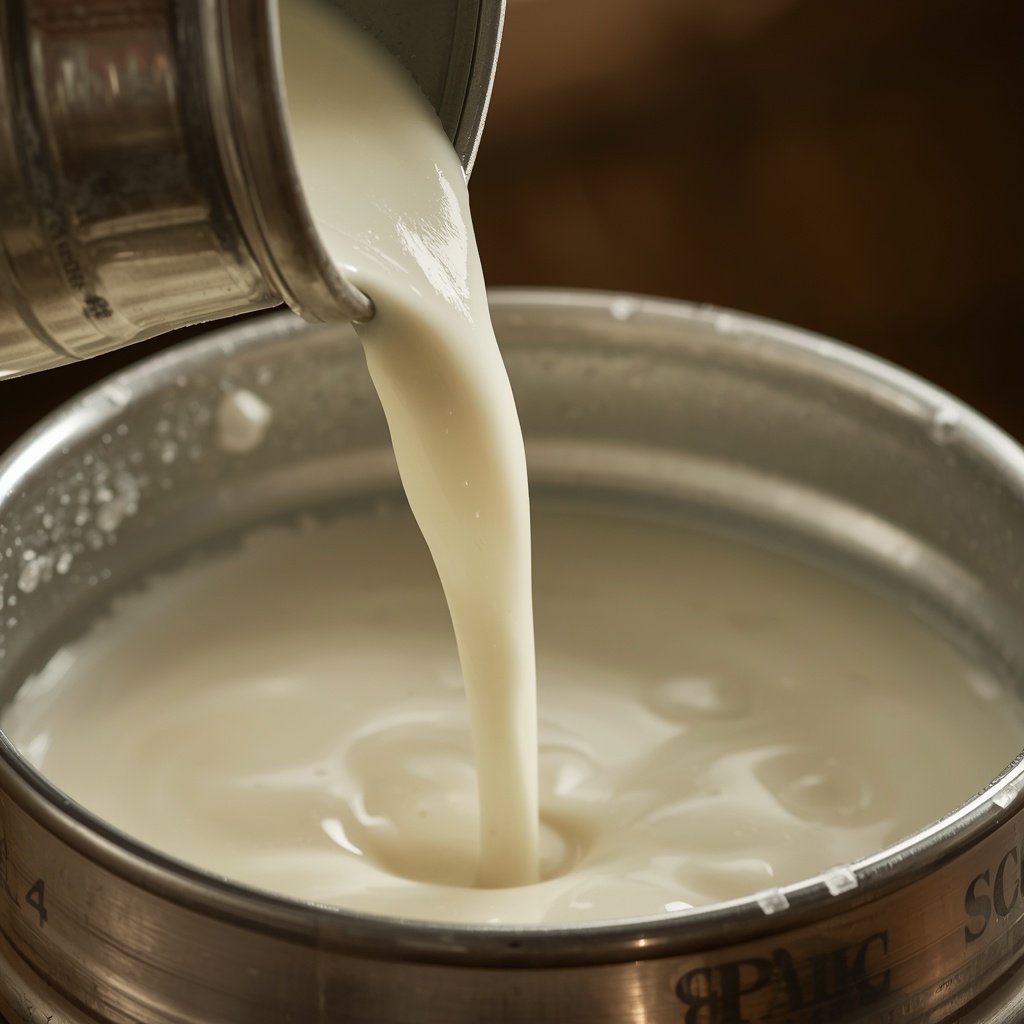
Zomato announced a zero-tolerance policy against the sale of dishes containing analogue dairy products, with the company stating that, with immediate effect, it has removed listings for any dishes that restaurant partners themselves had declared as containing analogue dairy ingredients. The policy applies specifically to analogue versions of common dairy staples, substitutes engineered from vegetable oils, starches and other non-dairy ingredients specifically designed to visually and texturally mimic conventional dairy products including paneer, cheese, butter or milk, without actually containing the dairy content consumers would reasonably expect when ordering a dish marketed under those names.
The company’s messaging around the policy positioned it explicitly as a consumer protection measure rather than simply a regulatory compliance exercise. Zomato framed the move as a consumer-first step, driven by its own stated commitment to transparency and food quality, language that places responsibility squarely on the platform itself to police ingredient accuracy rather than leaving that verification burden entirely to individual consumers who have no practical way of independently confirming what a delivered dish actually contains before it arrives at their door. Under the new policy, restaurant partners have been given a clear set of required actions, either transitioning fully to genuine, natural dairy ingredients across their affected menu items, or removing those specific dishes from their menu entirely if an immediate transition to real dairy is not operationally feasible for that restaurant. Critically, Zomato has also directed restaurants to actively verify ingredient labels and supplier declarations, shifting at least part of the verification burden upstream toward the restaurant’s own supply chain relationships rather than relying purely on restaurant self-reporting after the fact.
Addressing what drove the policy’s timing, Aditya Mangla, CEO of Zomato, outlined the platform’s focus on food safety standards:
“At Zomato, our core mission is better food for more people, and that means safeguarding customer health and upholding clear standards for what’s listed and served by our restaurant partners.”
— Aditya Mangla, CEO, Zomato
The regulatory backdrop driving this policy shift extends well beyond Zomato’s own internal decision-making. Under India’s Food Safety and Standards Authority regulations, selling an analogue product while marketing or labelling it as genuine paneer, or incorporating it into dishes explicitly marketed as containing paneer, can constitute a direct violation of food safety and labelling rules, since consumers are legally entitled to accurate information about what they are actually purchasing and consuming. Maharashtra has moved even further on this front at the state level, announcing specific restrictions on both the manufacture and sale of artificial or analogue paneer following mounting concerns over quality standards within the state. Enforcement activity connected to that broader crackdown has already produced genuinely concerning results, authorities conducting dedicated enforcement drives examined hundreds of paneer samples collected from the market, and a meaningful share of those samples failed to meet the safety and quality benchmarks that genuine dairy paneer is required to satisfy, findings that lend considerable weight to the argument that analogue paneer has become a genuinely widespread, rather than isolated, practice within India’s food service industry.
Zomato’s decision to act now, rather than at some earlier or later point, likely reflects a convergence of consumer-facing platforms recognising that continued inaction on a food safety issue this visible carries genuine reputational risk, particularly once state-level regulatory bodies and food safety enforcement agencies had already begun publicly documenting the scale of the problem through their own testing programmes. This is not the first time Zomato has faced this kind of trust and food safety tension with its restaurant partner base. The company has previously implemented advisories classifying certain categories of customer complaints, including issues like foreign objects found in food or incorrect meat being served to vegetarian customers, as severe food quality violations warranting temporary restaurant suspension pending a food safety audit, a policy that restaurant partners at the time criticised as draconian given how heavily many of them had come to depend on Zomato’s platform for a meaningful share of their overall revenue, particularly restaurants operating as delivery-only cloud kitchens with no dine-in option to fall back on.
That underlying tension, between Zomato’s stated consumer protection priorities and the genuine operational and financial pressure its policies place on restaurant partners who depend heavily on platform visibility for their revenue, is worth acknowledging directly rather than presenting this latest analogue dairy policy purely as an uncomplicated consumer win. Restaurants facing a genuine cost pressure to switch from cheaper analogue dairy substitutes back to considerably more expensive genuine dairy ingredients may find themselves squeezed between rising input costs and Zomato’s own commission structure, a tension that has fuelled recurring friction between food delivery aggregators and their restaurant partner base for years, dating back to organised restaurant boycotts of aggregator platforms in 2019 over disputes concerning commission rates, payment cycles and platform policy enforcement more broadly.
It is also worth noting honestly that Zomato’s ability to actually enforce this policy effectively depends heavily on restaurant partners accurately self-declaring when their dishes contain analogue dairy in the first place, since the announced policy explicitly frames its initial delisting action around dishes that restaurants themselves had declared as containing analogue ingredients. That self-declaration dependent enforcement mechanism leaves open a genuine question about how effectively the policy will actually catch restaurants that simply choose not to disclose their use of analogue dairy substitutes at all, rather than restaurants that had been transparent about it, potentially creating a perverse incentive structure where honest disclosure gets penalised through delisting while quieter, non-disclosed use of the same substitutes continues undetected until a customer complaint or external regulatory inspection eventually surfaces it.
Viewed evenly, Zomato’s analogue dairy policy represents a genuinely meaningful, consumer-protective step that aligns the platform’s own commercial incentives with growing regulatory and public concern over food authenticity within India’s restaurant industry, arriving at a moment when state-level enforcement data has made the scale of the underlying problem difficult to ignore or delay addressing further. Whether the policy achieves its intended effect at genuine scale will depend considerably on how rigorously Zomato actually verifies restaurant compliance beyond initial self-declaration, and whether the broader industry, including Zomato’s direct competitor Swiggy, follows with comparable policies of its own, since a food safety standard enforced by only one of India’s two dominant food delivery platforms leaves a genuinely large share of the overall market, restaurants listed exclusively or primarily on the other platform, entirely outside its reach regardless of how well-intentioned or well-enforced Zomato’s own version of the policy ultimately proves to be.