

Tata Trusts Set Up Selection Committee To Find Tata Sons’ Next Chairman After Chandrasekaran Declines Reappointment For Third Term
N Chandrasekaran will not seek a third term at the helm of India’s largest conglomerate, forcing Tata Trusts to trigger a formal succession process after months of boardroom uncertainty over his future
Highlights:
- N Chandrasekaran will not seek reappointment when his term ends on February 20, 2027
- Sir Dorabji Tata Trust has passed a resolution to form a Selection Committee
- The move follows a six month impasse over his proposed third term
- Chandrasekaran has spent nearly 40 years at the Tata Group, chairman since 2017
- Tata Trusts collectively control about 66 percent of Tata Sons
- The succession comes ahead of Tata Sons’ AGM scheduled for August 18
When a company that has spent the better part of a decade being described as unshakeably stable finds itself in the middle of a moment it has not experienced in years, a leadership transition that nobody can quite predict the ending of, the market takes notice. N Chandrasekaran, the man who has steered the Tata Group since 2017, has told the board he will not be putting himself forward for another term when his current tenure closes on February 20, 2027. It is a quiet sentence carrying an enormous amount of institutional weight, because Tata Sons is not simply another company on the stock exchange, it is the holding entity behind more than 30 businesses including Tata Consultancy Services, Tata Motors, and Air India, and its chairman effectively sets direction for one of the largest conglomerates to have ever come out of India.
The announcement did not arrive out of nowhere. For six months, the question of whether Chandrasekaran would continue had been sitting unresolved inside the group’s boardrooms, a rare and uncomfortable position for an organisation that usually prizes continuity above almost everything else. At a board meeting back in February, his proposed extension failed to receive unanimous backing, and the matter was deferred rather than settled. What followed was an extended period of quiet negotiation, involving conversations between Chandrasekaran and Noel Tata, who took over as chairman of Tata Trusts in 2024. People familiar with those discussions have suggested that Noel Tata was seeking specific assurances before agreeing to back a third term, including a clearer five year strategic roadmap, a plan for managing losses at some of the group’s newer businesses, and a resolution for the long pending exit of the Shapoorji Pallonji Group from its stake in Tata Sons without forcing the company to go public.
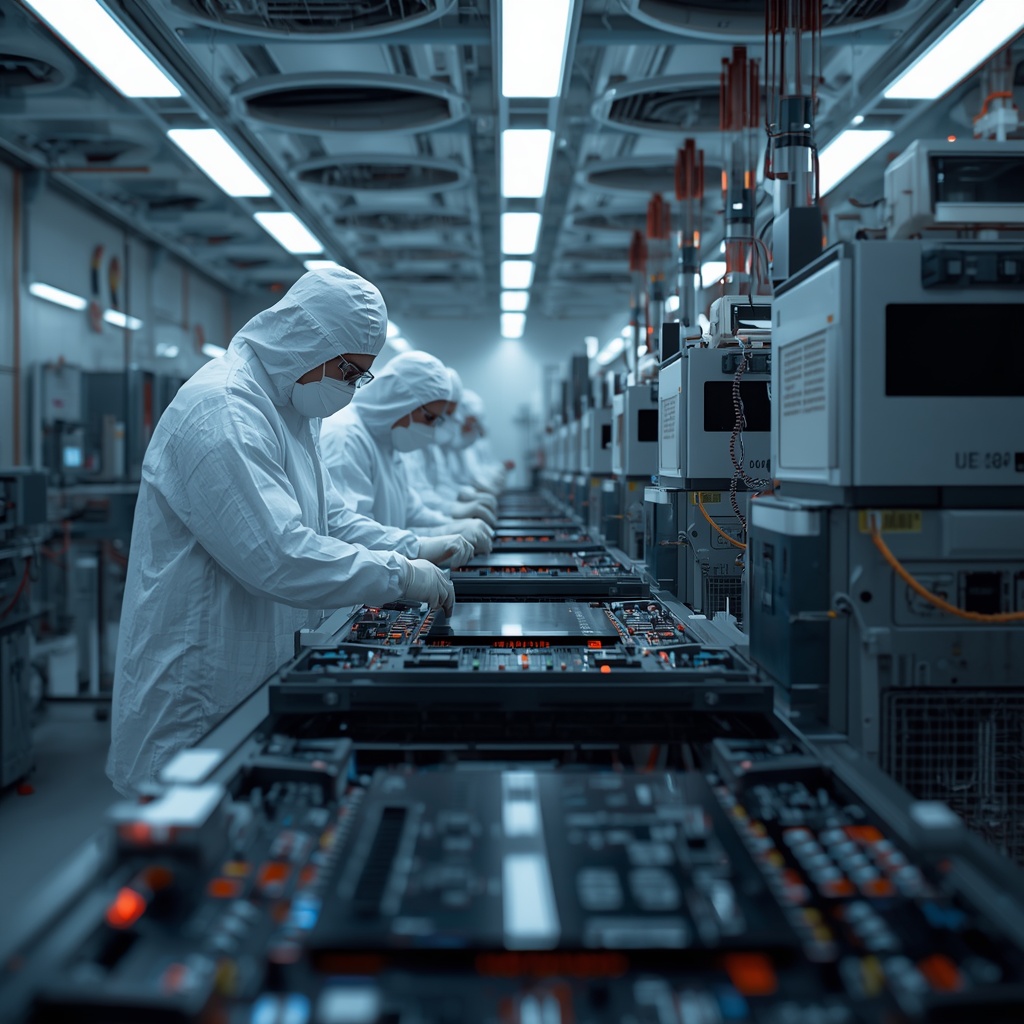
“A robust strategic roadmap is essential for maintaining growth momentum across a conglomerate this size,” said corporate governance experts observing the discussions. “The board’s insistence on clarity reveals a commitment to long term stability, ensuring the next decade’s strategy is as flexible across new technologies and industries as it is transferable across a wide array of businesses including Semiconductors and Electronics.”
None of those conditions were fully resolved, and on August 12, Chandrasekaran wrote to the nominee directors of the Sir Dorabji Tata Trust informing them of his decision. The Trust responded the following day. In a statement, the Sir Dorabji Tata Trust, which alone holds close to 28 percent of Tata Sons and is its single largest shareholder, confirmed that its trustees had passed a resolution to begin constituting a Selection Committee as soon as possible, in accordance with the Articles of Association governing Tata Sons. This is not a symbolic gesture, it is the formal mechanism, laid out under what is commonly referred to as the Article 118 process, through which the next chairman of the group will actually be chosen.
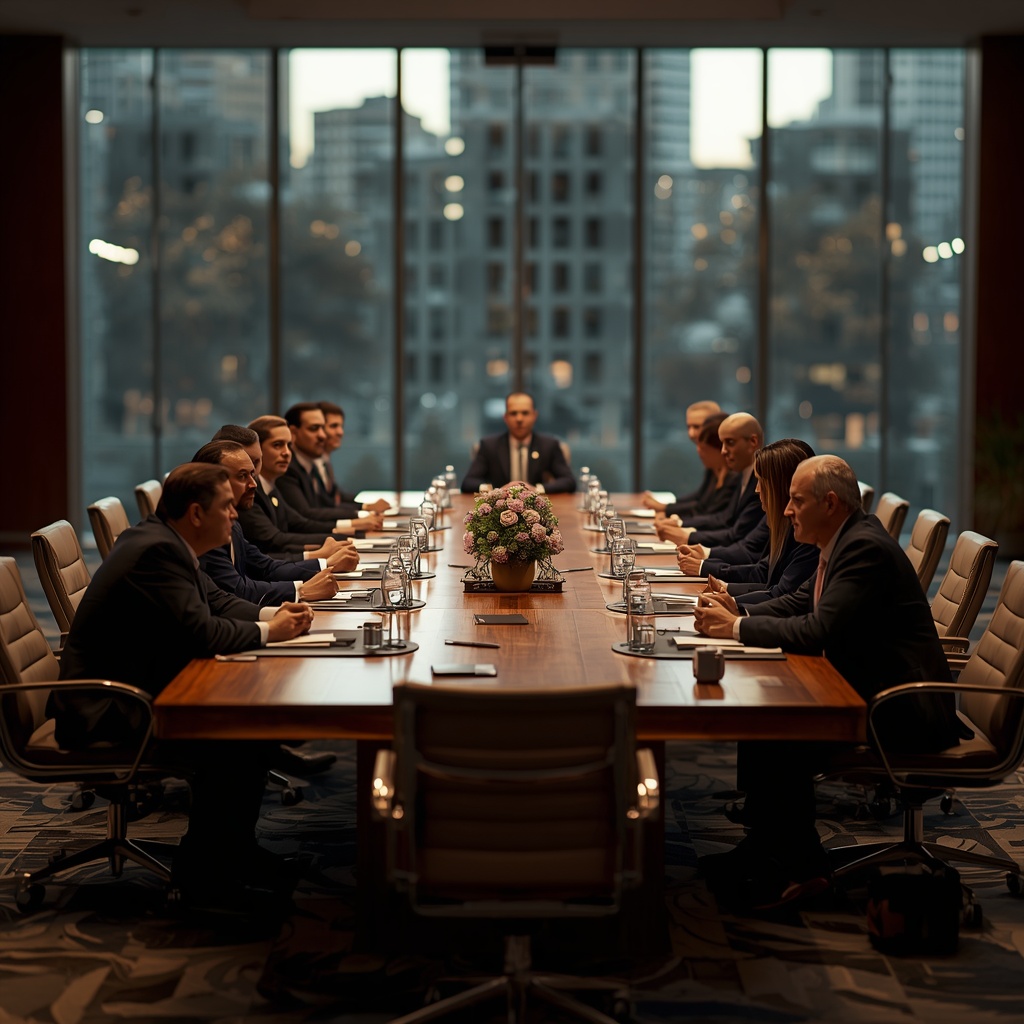
The mechanics of that process are worth understanding, because they reveal how deliberately the Tata Group has built checks around a role this powerful. A five member Selection Committee will be formed, made up of three members jointly nominated by the Sir Dorabji Tata Trust and the Sir Ratan Tata Trust, one member nominated by the Tata Sons board itself, and one independent outside member. This requirement only kicks in as long as the Trusts collectively hold at least 40 percent of Tata Sons’ paid up ordinary share capital, a threshold they comfortably clear given their combined holding of roughly 66 percent. The Sir Ratan Tata Trust, notably, cannot currently participate in board meetings due to procedural restrictions, placing even more significant responsibility on the Sir Dorabji Tata Trust.
Chandrasekaran’s own journey with the group stretches back almost four decades. He joined Tata Consultancy Services in 1987, eventually rising to become its chief executive and managing director before being appointed chairman of Tata Sons in 2017, arriving in the aftermath of one of Indian corporate history’s messiest boardroom battles, the ouster of Cyrus Mistry. Over the years that followed, Chandrasekaran was widely credited with steadying the ship, expanding the group’s presence in areas such as semiconductors and electronics manufacturing, overseeing the acquisition and turnaround of Air India, and pushing forward long pending decisions including the planned listing of Tata Capital. He is 63 years old, and framed his decision around having completed 40 years of professional life within the Tata ecosystem.
“Steadying the ship after severe turbulence required exceptional leadership,” Tata Sons board members stated, reflecting on Chandrasekaran’s legacy. “The group’s growth in emerging sectors like AI and Chip manufacturing is a valuable infrastructure asset, proving the group can unlock large capital pools for independent growth while retaining its core values and discipline in risk exposure.”
The Sir Dorabji Tata Trust, in its statement, was careful to strike a tone of appreciation rather than distance. It noted that it respected Chandrasekaran’s decision not to seek reappointment and placed on record its deepest appreciation for his contribution and stewardship of Tata Sons and the Tata group over the past decade. The statement also emphasised that the Trust would extend its full support to Tata Sons in ensuring a smooth, timely, and orderly transition of leadership, language chosen deliberately to reassure investors, employees, and partners that the group does not intend to let this uncertainty drag on the way it once did during the Mistry episode.
Some numbers help frame just how significant this transition is. Tata Sons is estimated to be worth somewhere around 150 billion dollars as a holding company, controlling businesses that together employ hundreds of thousands of people. Tata Trusts, which rely on dividends from the company to fund philanthropic work, received a payout running into over 1,700 crore rupees for that purpose last year. The timing of this succession process is also notable, arriving just days before Tata Sons’ annual general meeting scheduled for August 18, where shareholders had originally been expected to vote on Chandrasekaran’s continuation as a director, a vote that will now carry very different implications.
An overall unbiased analysis reveals that this transition represents a deliberate move to prioritize procedural clarity over leadership dependency. The calm, respectful, and procedural nature of the announcement is an attempt to signal that this exit is being handled by the book, directly contrasting the previous chaotic handover. However, the next chairman will inherit a company mid transition on several critical fronts, with significant strategic roadmaps remaining a matter for long term negotiation. By reinforcing a structured, public process, the Tata Group aims to send the strongest signal possible that it values institutional governance above individual tenure, ensuring stability by proving its careful protection of institutional norms is more resilient than it is fragile.