
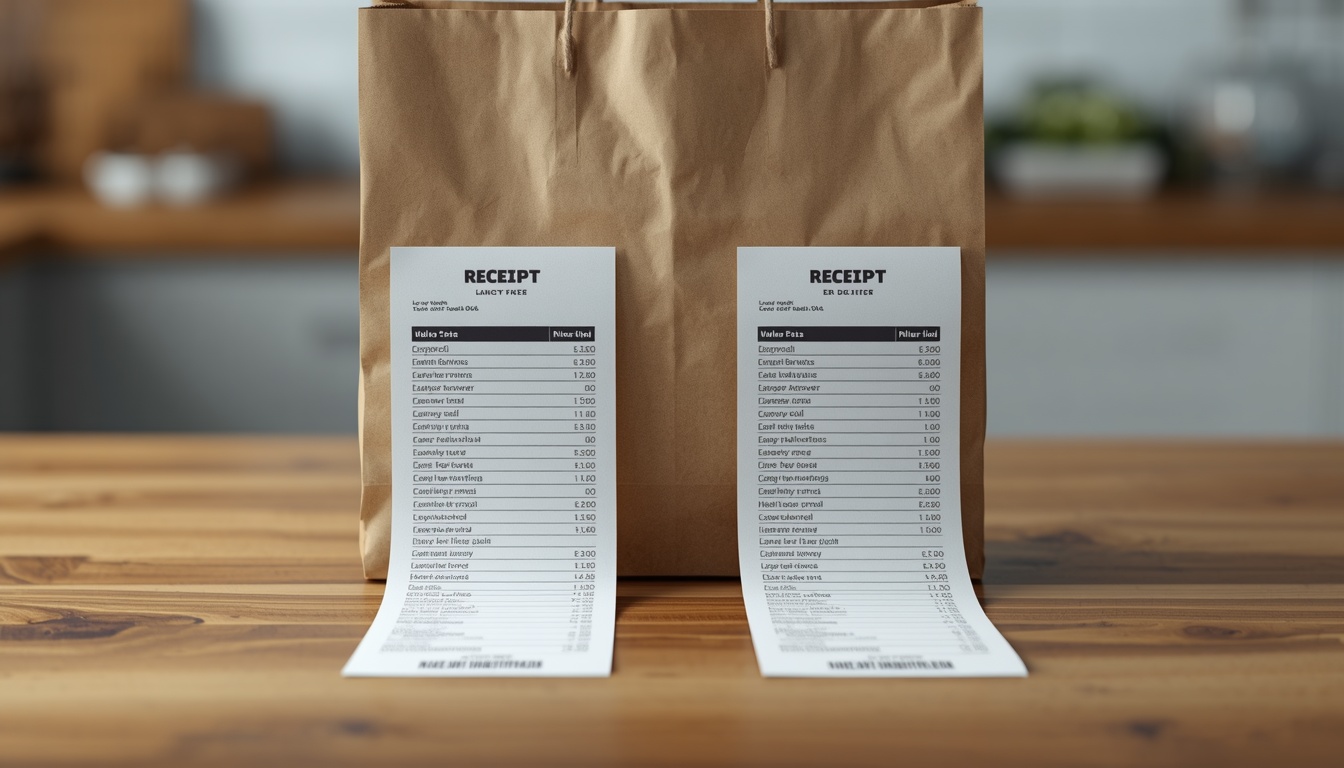
CCI Dismisses Complaint Against Eternal Over Zomato Platform Fees And Food Delivery Pricing Practices
A customer who paid ninety three rupees more for food ordered through Zomato than buying it directly took the platform to India’s competition regulator, only for the CCI to rule that visible, itemised charges do not amount to anti competitive pricing.
Highlights:
- The CCI dismissed a consumer complaint alleging Zomato overcharged compared to ordering directly from a restaurant
- The complainant paid Rs 198 through Zomato versus Rs 105 buying the same item directly
- The CCI ruled that platform fees, delivery charges and taxes were disclosed before checkout
- This ruling covers only individual pricing complaints, separate from a larger, ongoing antitrust probe into Zomato and Swiggy
- An earlier CCI investigation reportedly found exclusivity and price parity clauses did breach competition law
Almost everyone who orders food through an app has had the same small moment of sticker shock, the total at checkout sitting noticeably higher than the menu price ever suggested it would. One customer decided that gap was worth taking to India’s competition regulator. The regulator disagreed.
The Competition Commission of India has dismissed a complaint filed against Eternal Ltd, the company formerly known as Zomato, after finding no prima facie evidence of anti competitive conduct or abuse of dominant position in how the platform prices food, delivery, and platform fees.
The complaint itself centred on a fairly concrete, relatable grievance. An individual consumer alleged that a food item ordered through Zomato cost Rs 198, compared with just Rs 105 when purchased directly from the same restaurant, a near doubling in price the complainant attributed to a combination of increased menu prices, delivery charges, platform fees, and taxes layered on top of the base cost. The complaint went further than simple sticker shock, alleging that restaurants themselves were effectively forced to raise their menu prices because of the commissions Zomato charges them, a structural argument framed as a violation of Sections 3 and 4 of the Competition Act, the provisions covering anti competitive agreements and abuse of dominant market position.
The Commission also examined a related allegation known as drip pricing, the practice of revealing charges gradually throughout a purchase process rather than upfront, a pattern that has drawn regulatory scrutiny across multiple digital platforms globally in recent years.
The Commission found that platform fees, delivery charges, and taxes were linked to identifiable services provided during the transaction and were disclosed before the purchase was completed, noting that consumers remain free to continue with or abandon an order right up until the final checkout stage.
Based on that assessment, the CCI concluded there was no prima facie case of violation under Sections 3 or 4 of the Competition Act by Eternal, and ordered the matter closed. The ruling’s underlying logic is fairly significant beyond this single case, it reinforces the regulator’s broader position that higher prices on online delivery platforms, so long as they are linked to genuine additional services and transparently disclosed before checkout, do not by themselves constitute anti competitive conduct.
This is not, notably, the first time the CCI has examined complaints of this exact nature against Zomato. A separate, earlier complaint filed by a consumer alleged prices charged through the platform were 20 to 30 percent higher than ordering directly, and specifically flagged that Zomato’s platform fee had risen from Rs 5 to Rs 6 without any corresponding improvement in app features or service quality. That complaint was similarly dismissed, with the Commission’s bench, comprising Chairperson Ravneet Kaur and members Anil Aggarwal, Sweta Kakkad, and Deepak Anurag, holding that the levy of food charges, platform fees, and delivery fees did not amount to unfair or discriminatory pricing under Section 4.
It would be a meaningful misreading of this ruling, however, to conclude that Zomato and its parent company have been given a clean bill of health on competition grounds more broadly. These dismissed complaints concern individual consumer pricing grievances, a genuinely narrower legal question than the much larger, structural antitrust investigation that has been running in parallel since 2022.
That broader investigation originated from a complaint filed by the National Restaurant Association of India, representing more than 500,000 restaurants, alleging that Zomato and Swiggy engaged in practices including bundling delivery services with food orders, operating cloud kitchens that compete directly with the restaurants listed on their own platforms, imposing exclusivity conditions, and enforcing price parity clauses restricting restaurants from offering better deals elsewhere. According to reporting on the Director General’s investigative findings within that case, three specific categories of contractual arrangement, exclusivity conditions, minimum business guarantees, and wide price parity clauses, were found to contravene Section 3 of the Competition Act, provisions dealing with anti competitive vertical agreements. It is important to note that a Director General’s investigative findings are not the same as the CCI’s own final decision, and that broader case remains pending, with Swiggy separately having secured interim protection from the Karnataka High Court staying related proceedings.
There is also a distinct, separate antitrust matter working through the system, filed by the All India Consumer Products Distributors Federation, alleging predatory pricing and deep discounting practices across Zomato, Swiggy, and Zepto collectively, a case concerned less with individual consumer pricing and more with how aggressive discounting by well funded platforms affects smaller retailers and distributors across the wider consumer goods supply chain.
Reading all of this together produces a considerably more layered picture than the headline dismissal alone suggests. On narrow, individual pricing complaints, where the core question is whether disclosed platform fees and delivery charges amount to unfair pricing for a single transaction, the CCI has now ruled consistently, twice, that transparent, itemised charges tied to genuine services do not violate competition law. On the much larger structural questions, whether Zomato’s contractual relationships with restaurants themselves contain anti competitive elements like exclusivity clauses and price parity restrictions, the regulatory picture remains considerably more unsettled, with investigative findings reportedly identifying real violations, even as the final adjudication of that broader case is still pending.
None of this makes today’s dismissal insignificant, it offers a fairly clear signal that consumers frustrated by checkout price differences are unlikely to find relief through individual competition complaints, since the CCI has now twice held that disclosed convenience fees are not, on their own, anti competitive. But it would be a mistake for either Zomato’s critics or its defenders to treat this ruling as the final word on the company’s regulatory standing. The much larger structural case, built around how Zomato’s contracts actually shape competition among the restaurants and platforms beneath it, rather than what a single customer pays at checkout, remains the more consequential legal battle still working its way through the system, and its eventual outcome is likely to matter considerably more to the shape of India’s food delivery market than how this particular Rs 93 price difference was resolved.