
Grahaa Space Completes Mission SIDDHI Validating Its Nanosatellite Platform Aboard Skyroot’s Historic Vikram 1 Launch
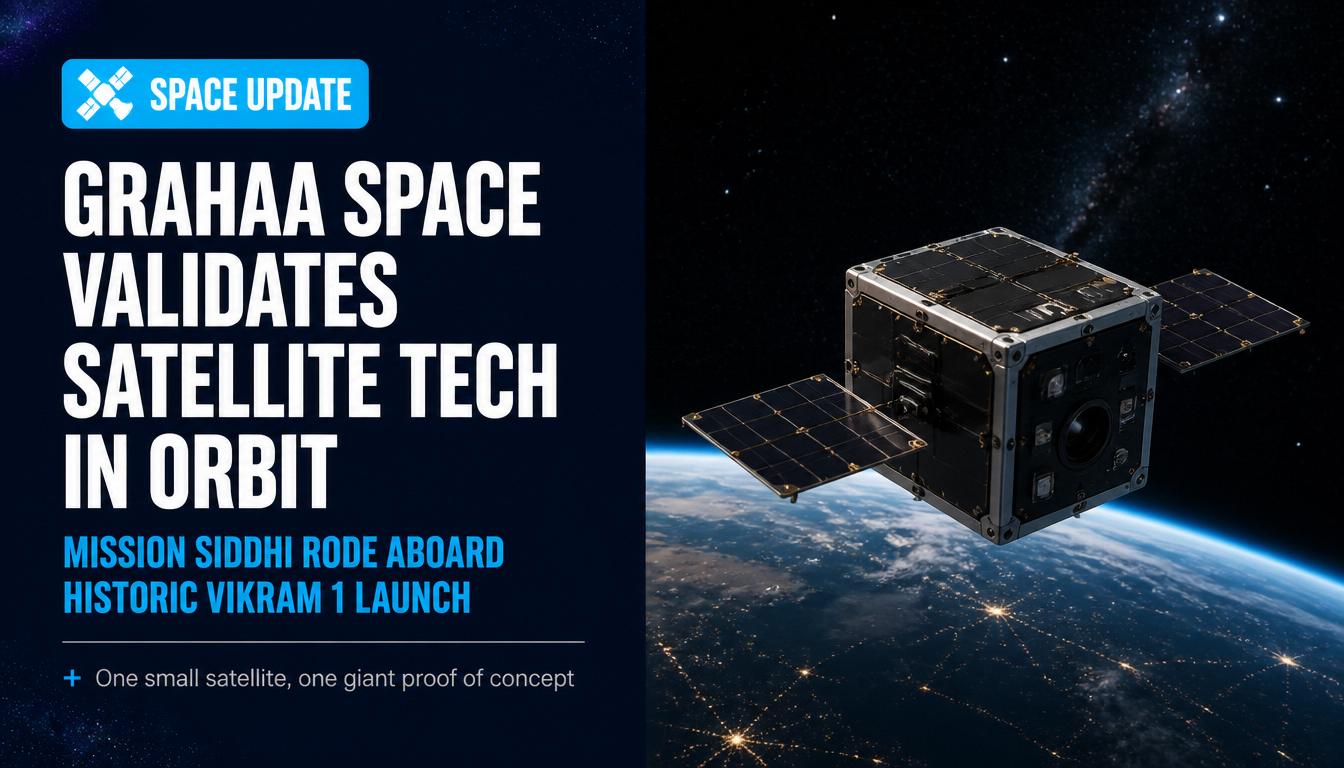
Bengaluru startup Grahaa Space rode aboard Skyroot’s historic Vikram 1 launch to put its first satellite into orbit, testing whether a stackable, modular nanosatellite bus can make Earth observation from space genuinely fast, affordable, and accessible for smaller players.
Highlights:
- Grahaa Space successfully deployed its SOLARAS nanosatellite aboard Skyroot’s Vikram 1 orbital launch on July 18
- The mission, named SIDDHI, marks the company’s first ever in orbit technology demonstration
- SOLARAS is built to validate Grahaa Space’s stackable, modular nanosatellite bus and hosted payload architecture
- The mission also carried an academic research payload developed by VIT AP University, Amaravati
- Grahaa Space aims to eventually stream near real time geospatial video data from its satellite constellation
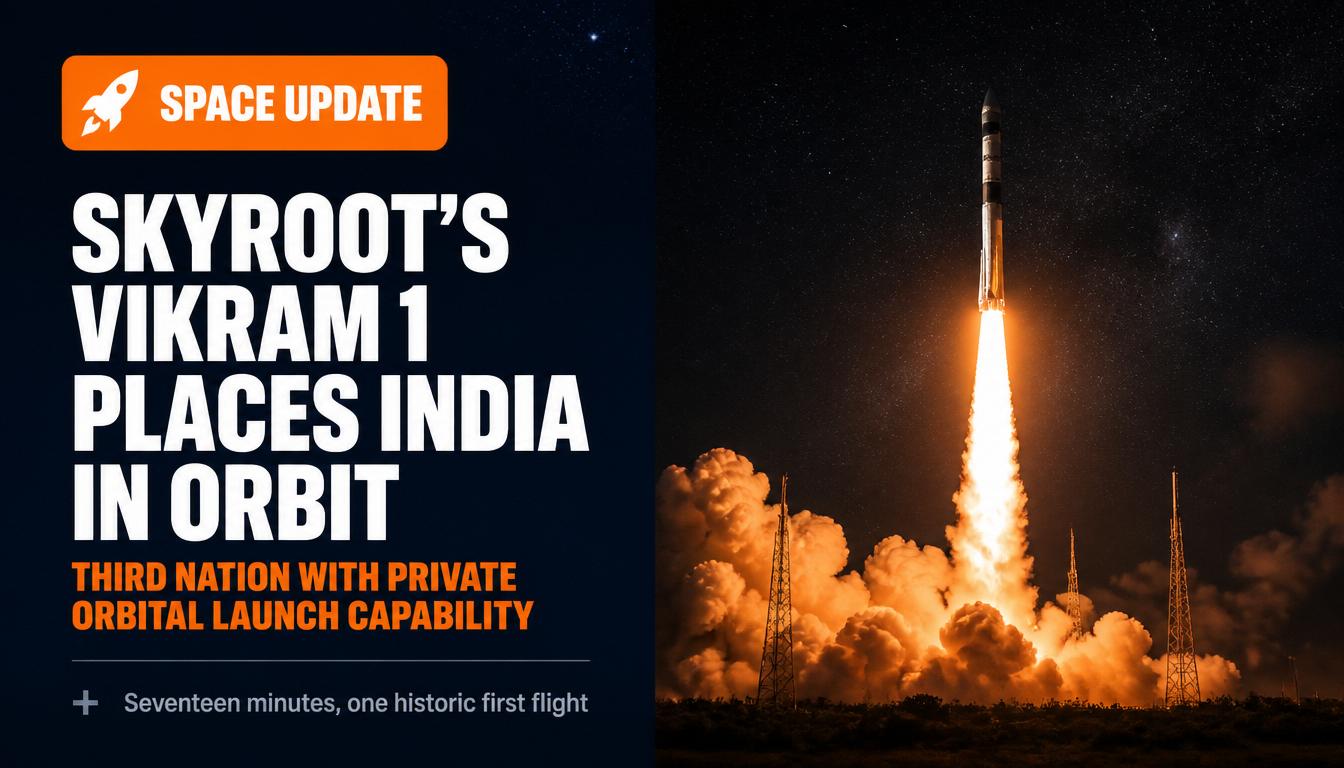
When Skyroot Aerospace’s Vikram 1 rocket lifted off from Sriharikota on July 18, most of the attention that morning rightly went to the rocket itself, the first Indian private orbital launch in history. Tucked inside that same rocket, though, was a smaller, quieter story of its own, a Bengaluru startup putting years of engineering to its first real test in space.
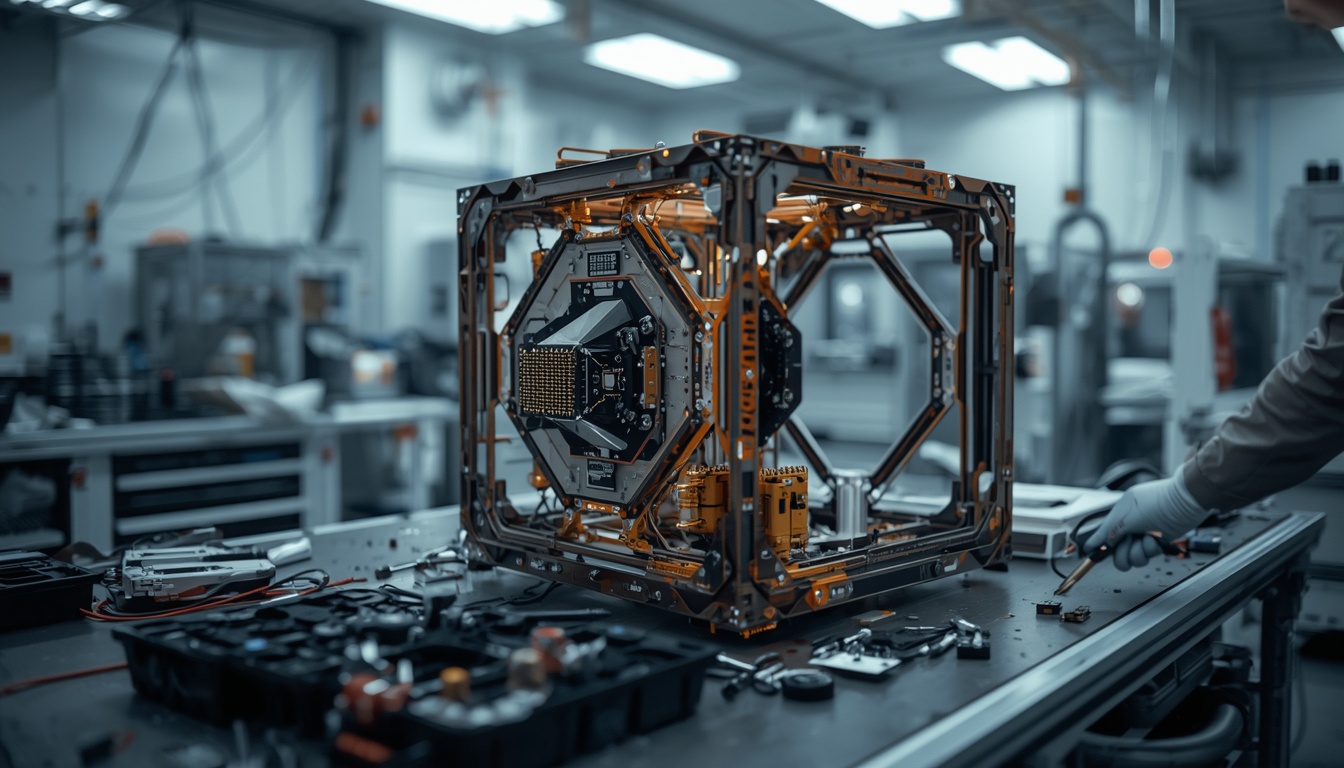
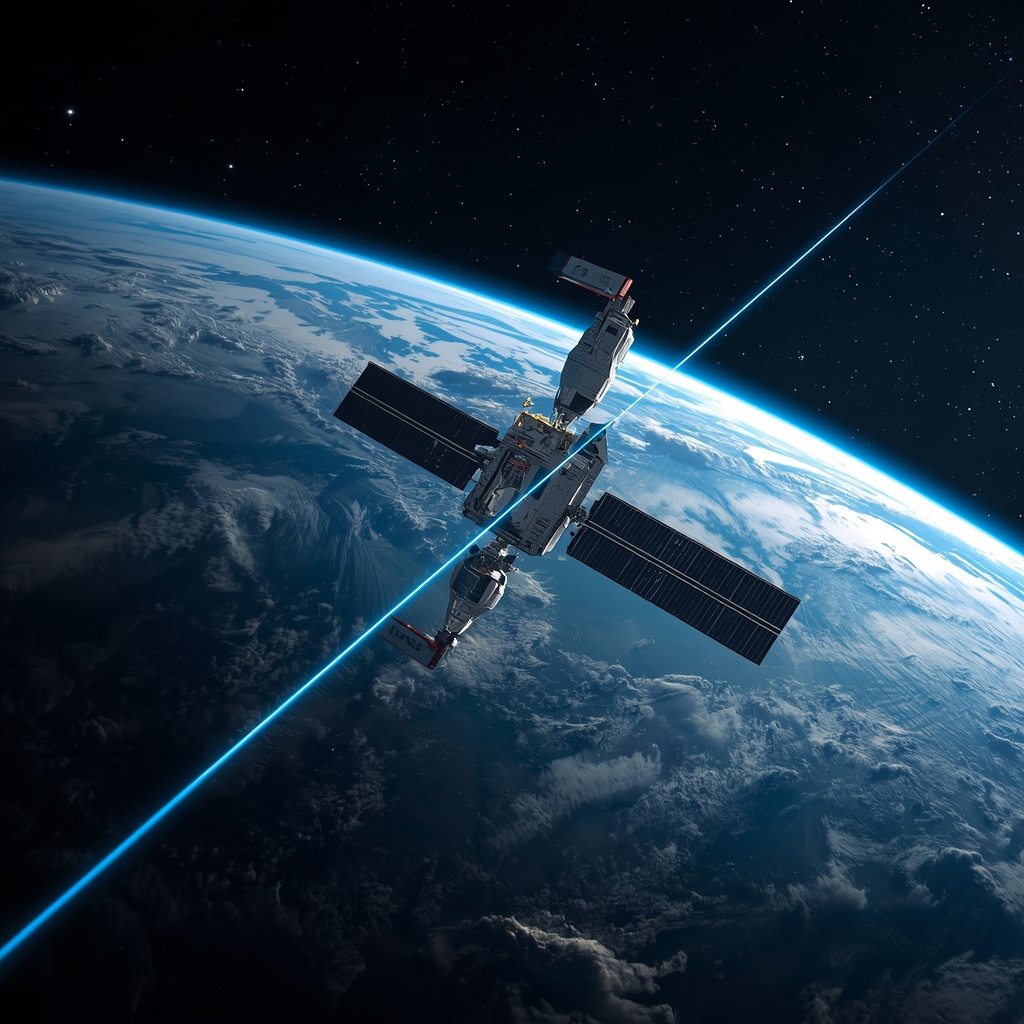
Grahaa Space, a spacetech company building Earth observation nanosatellites and geospatial intelligence solutions, successfully deployed SOLARAS, its technology demonstration nanosatellite, aboard Vikram 1’s debut flight. The company has named the mission SIDDHI, and describes it as the first ever in orbit technology demonstration in its history.
The company’s ambition sits underneath a fairly specific technical goal. SOLARAS was built to validate Grahaa Space’s stackable nanosatellite bus, a modular satellite platform designed and developed entirely in India, alongside its communication systems and what the company calls its hosted payload architecture, the ability to carry multiple, independent payloads on a single shared satellite structure.
“Today is a defining moment for Grahaa Space,” said Ramesh Kumar V, cofounder and chief executive of the company. “Watching SOLARAS successfully reach orbit is the culmination of years of engineering, perseverance and a shared vision of building world class space technologies in India.”
The mission’s design reflects a deliberate bet on flexibility over specialisation. Alongside SOLARAS’s own technology validation objectives, the flight also carried VISWA-M, an academic research payload developed by VIT AP University, Amaravati, flying on the exact same hosted architecture Grahaa Space is trying to prove out. That pairing is itself a demonstration of the business model the company is chasing, a shared satellite platform capable of carrying commercial, research, and institutional payloads together, splitting the cost and complexity of reaching orbit across multiple customers rather than requiring each one to fund an entire dedicated satellite.
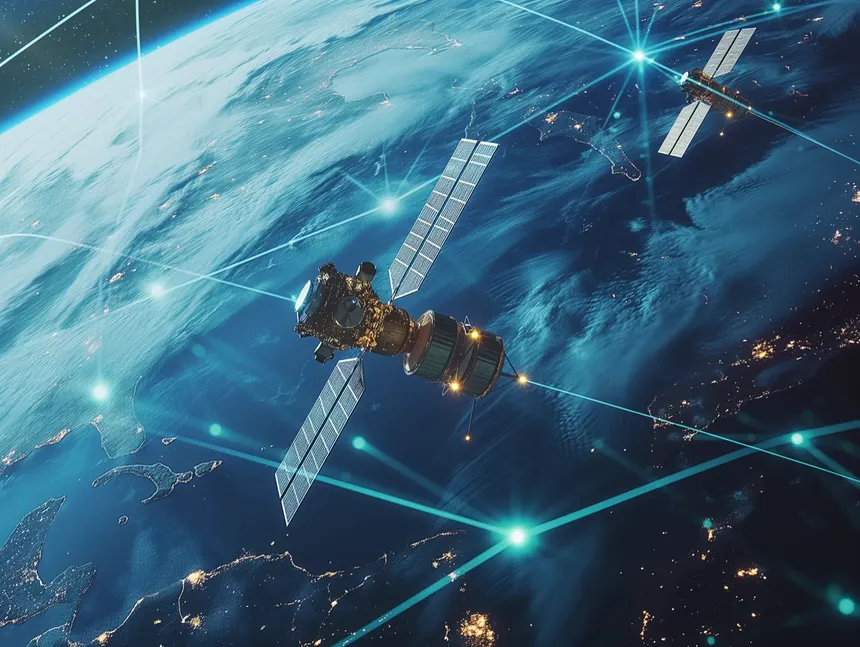
Grahaa Space’s longer term vision extends well beyond this single technology demonstration. The company has said its goal is to eventually stream near real time geospatial video data from a full constellation of these nanosatellites, a considerably more ambitious offering than the static, delayed imagery that has traditionally defined commercial satellite Earth observation. Applications the company has pointed to span agriculture, disaster management, climate monitoring, and infrastructure planning, sectors where the difference between a satellite image from yesterday and genuinely live footage could meaningfully change how quickly ground teams can respond to a flood, a wildfire, or a crop stress event.
Describing the broader opportunity this mission represents, Ramesh Kumar V said India’s private space sector is entering a new phase of growth, driven by innovation, collaboration, and a shared ambition to build world class space capabilities, framing missions like Vikram 1 as creating exactly the kind of opportunity emerging space companies need to demonstrate their technology and accelerate development.
Following SOLARAS’s deployment, Grahaa Space said the satellite will now undergo commissioning and in orbit evaluation, a process during which the company will assess how its platform and onboard systems actually perform in the harsh, unforgiving environment of space, as opposed to how they performed in ground based testing. Insights from that evaluation period are expected to directly shape the design of the company’s future satellite missions.
Grahaa Space itself was incubated at STIIC-IIST and has been backed by IN-SPACe, India’s single window authorisation body for private space activity, reflecting the same broader policy shift that made Skyroot’s own journey possible. The company was cofounded by Ramesh Kumar V, a former IBM executive, alongside M. Loganathan, a former ISRO scientist, a founding pairing that echoes a now familiar pattern across India’s private space sector, corporate operational experience paired directly with hands on institutional space engineering background.
Notably, this was not Grahaa Space’s first attempt at reaching orbit. The company had previously prepared for a mission called Solaras S2, planned for launch aboard South Korean company Innospace’s Hanbit-Nano vehicle from Brazil’s Alcântara Space Center, authorised by IN-SPACe. That earlier mission’s current status was not addressed in coverage of this latest SIDDHI success, and it is worth noting plainly that SIDDHI, riding domestically aboard Vikram 1, represents the company’s first confirmed, successful reach of orbit, regardless of how that earlier international mission ultimately played out.
It is worth placing this achievement in fair context rather than treating a successful technology demonstration as equivalent to a mature, revenue generating satellite business. A single nanosatellite reaching orbit and surviving deployment is a genuinely important milestone, but it validates the platform’s basic ability to function in space, not yet its ability to deliver the specific, differentiated product Grahaa Space is ultimately selling, near real time geospatial video streamed reliably at commercial scale. That capability requires considerably more than one working satellite, it requires an entire constellation operating in coordination, a substantially larger and more expensive undertaking than this first demonstration mission represents.
There is also a competitive reality worth naming honestly. Global Earth observation and geospatial intelligence is already a crowded field, populated by well capitalised international players with years of operational satellite constellations already generating revenue. Grahaa Space’s genuine differentiator, if the stackable, hosted payload architecture proves as cost effective and flexible as the company claims, is the ability to get smaller, more specialised payloads into orbit faster and cheaper than traditional dedicated satellite missions allow. Whether that architectural advantage translates into a durable commercial edge, or whether larger, better funded competitors simply out execute a smaller Indian startup on the harder problem of building and operating an entire working constellation, will depend far less on this single successful SIDDHI mission and considerably more on how quickly and reliably Grahaa Space can now follow it with the additional satellites its full constellation vision actually requires.