
Maharashtra Approves Rs 45 Crore AI Powered Bird Sanctuary At Thane Creek Flamingo Sanctuary Near Mumbai
Maharashtra has approved 45 crore rupees for an AI powered bird park at Thane Creek, promising real time species tracking across a mangrove sanctuary that already hosts 250 bird species, while keeping tourist infrastructure confined to a sliver of the protected land.
Highlights:
- Maharashtra has allocated Rs 45 crore for an AI powered bird park at Thane Creek in Bhandup
- The 20.09 hectare park sits inside the Thane Creek Flamingo Sanctuary, a Ramsar protected wetland site
- AI based bird tracking and identification systems will operate across a 1.5 kilometre radius
- Tourist infrastructure will be limited to just 0.35 hectares to minimise ecological disturbance
- The site currently supports an estimated 250 native and migratory bird species
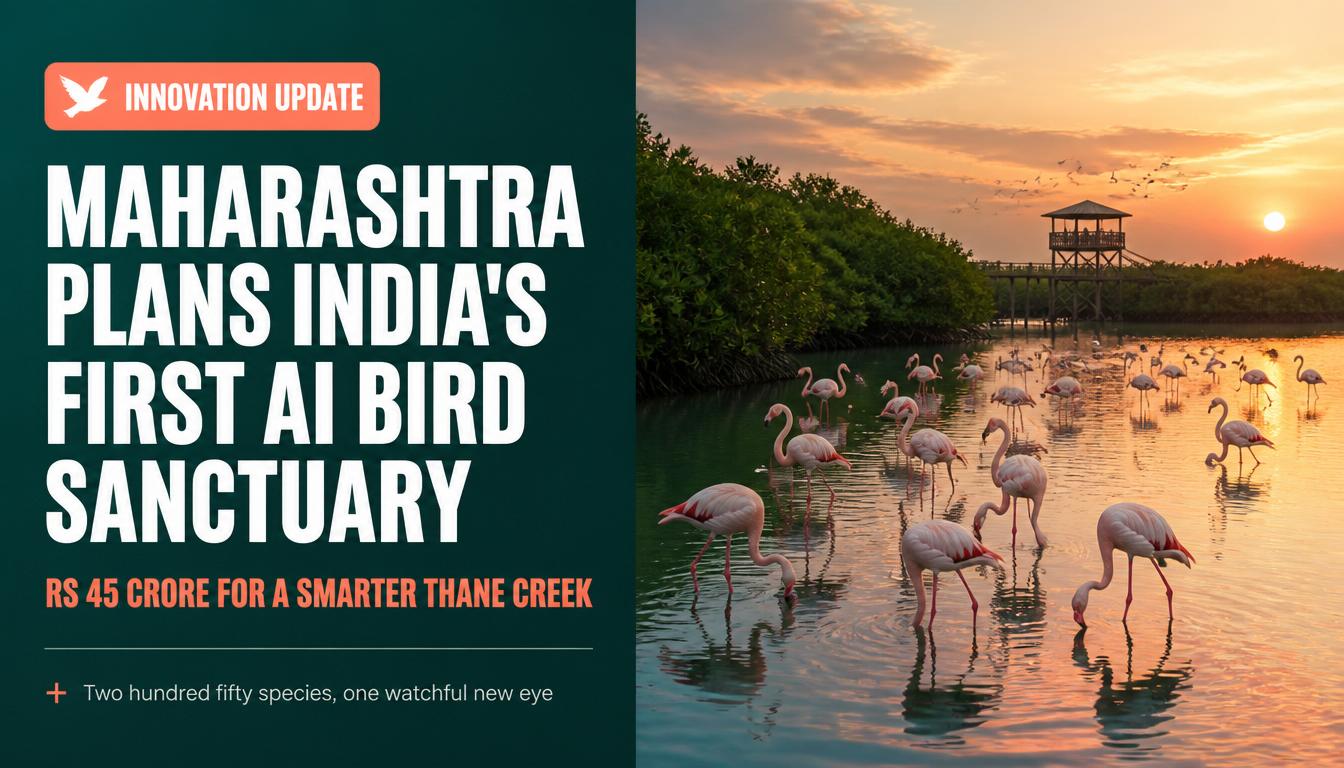
Every winter, thousands of flamingos turn a stretch of muddy creek on Mumbai’s eastern edge into one of the city’s more improbable spectacles, a wetland of pink feathered visitors sitting quietly beside one of the world’s most crowded metropolitan regions. Maharashtra now wants technology to watch that spectacle as closely as the tourists do.
The state government has approved Rs 45 crore, allocated through the District Planning Committee’s special fund, to build what officials are describing as India’s first AI powered bird sanctuary, an eco tourism and conservation project planned for the Thane Creek Flamingo Sanctuary, a Ramsar designated wetland of international importance.
Mumbai Suburban Guardian Minister Ashish Shelar inspected the proposed project site at Bhandup, near the Bhandup Pumping Station, confirming that the 20.09 hectare park will be developed along the Thane Creek shoreline. Crucially, physical infrastructure and tourist amenities will be restricted to just 0.35 hectares, a deliberate design choice meant to limit human footprint across a site officials describe as an active mangrove and mudflat ecosystem.
“The Bhandup Bird Park Project in Mumbai suburbs will be a landmark initiative promoting environmental conservation, biodiversity protection and sustainable tourism,” Shelar said, framing the project as a model for balancing ecological sensitivity with public access rather than choosing between the two.
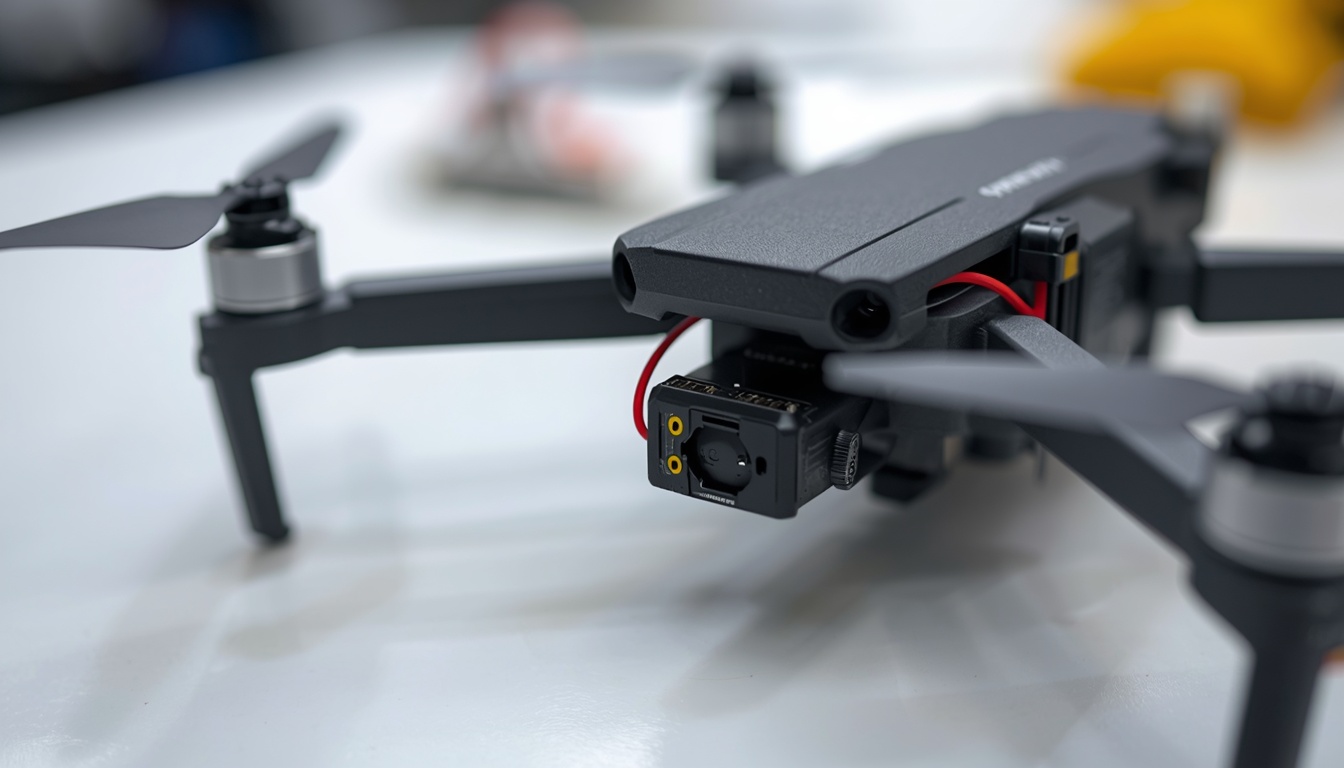
The technology at the centre of the project is what earns it the AI powered label. According to project details, the facility will incorporate AI based bird tracking and identification systems operating across a 1.5 kilometre radius, designed to provide real time, automated tracking and species identification within that coverage zone. Positioned as India’s first AI based bird detection and monitoring tourism centre, the park is expected to combine real time tracking, automated species identification, analytics, recording, playback, and biodiversity documentation, tied together through centralised data management and live synchronisation.
The ecological stakes behind this technology are considerable. Environmental assessments cited by officials indicate the site currently supports an estimated 250 native and migratory bird species, sustained by mangrove ecosystems and mudflats that also serve as natural buffers against flooding and storm surge for the surrounding urban area, a function well documented at Thane Creek more broadly, which sits along the Central Asian Flyway and hosts species ranging from Greater and Lesser Flamingos to the endangered great knot.
The broader infrastructure plan extends well beyond the AI monitoring system itself. Proposed additions include a 2.16 kilometre mangrove nature trail, multi storey observation towers, viewing decks, a nature interpretation centre, a lecture hall, a butterfly garden, a boat jetty, and off site parking facilities, positioning the park as a considerably more developed visitor experience than Thane Creek’s existing, comparatively modest flamingo viewing infrastructure.
Shelar described the project’s expected impact in fairly sweeping terms, saying the development will help maintain ecological balance, boost biodiversity, accelerate tourism development, and serve as an effective centre for recreation and environmental education for local citizens.
The project has already cleared a meaningful regulatory gauntlet, officials confirmed approvals from the Maharashtra Nature Tourism Development Board’s executive committee, the Maharashtra Eco Tourism Development Board, Coastal Regulation Zone clearance from the Ministry of Environment, Forest and Climate Change, and technical approval from the Mumbai Metropolitan Region Development Authority, suggesting this is considerably further along than an early stage announcement, even if construction has not yet visibly begun at the Bhandup site.
It is worth reading the AI framing here with a degree of measured curiosity rather than uncritical excitement, since government backed technology projects in India have a fairly well documented history of announcing ambitious digital capabilities that take considerably longer to materialise in working form than the initial press coverage suggests. A 1.5 kilometre AI tracking radius covering an active tidal mangrove ecosystem, with birds moving in and out of dense foliage, variable light, and seasonal flooding, is a technically demanding computer vision challenge, considerably harder than AI bird identification systems typically deployed in more controlled settings like static camera feeders or open grassland reserves. Whether the system can reliably distinguish and track 250 species with meaningfully useful accuracy under real field conditions, rather than a curated subset of the more visually distinctive species like flamingos, remains an open technical question the announcement itself does not resolve.
There is also a fair tension worth naming between conservation and tourism promotion sitting inside the same project. Restricting built infrastructure to 0.35 hectares out of 20.09 is a genuinely conservative ratio that suggests real intent to limit ecological disruption, and it compares favourably against tourism developments elsewhere that have expanded well beyond their original footprint once visitor numbers exceeded expectations. But an eco tourism project explicitly designed to accelerate tourism development, in a Ramsar protected wetland already showing signs of pollution and construction waste dumping according to visitor accounts, will need genuinely disciplined enforcement to keep growing footfall from gradually eroding the very ecological sensitivity the AI monitoring system is meant to help protect.
None of this diminishes the genuine appeal of the underlying idea, that better real time data on where birds actually are, and how human activity affects their movement, could meaningfully improve how a sensitive urban wetland is managed rather than simply opened wider to visitors. Whether the Bhandup Bird Park becomes a genuine model other Indian states study and replicate, or whether its AI ambitions prove harder to deliver at real world accuracy than its announcement suggests, will depend considerably less on the Rs 45 crore already allocated, and considerably more on how rigorously the promised 0.35 hectare limit and AI monitoring commitments are actually enforced once the park opens to the public it is being built to welcome.