
India Data Centre Space To Reach 101 Million Square Feet By 2030 As Anarock Flags 300 Billion Dollar Pipeline
A new Anarock report shows India’s data centre real estate could grow fourfold within four years, powered by over 300 billion dollars in investment commitments, a data protection law forcing local storage, and hyperscalers racing to build inside the country.
Highlights:
- India’s data centre footprint is projected to reach 101 million square feet by 2030
- That marks a fourfold jump from 27 million square feet in the first half of 2026
- Capacity is expected to reach over 6.7 gigawatts by 2030, up from 1.8 GW today
- Investment commitments behind the pipeline exceed 300 billion dollars
- Google has committed 15 billion dollars for a data centre in Visakhapatnam
- Hyderabad is set to add 600 to 700 megawatts of capacity, the country’s biggest gain
There is a particular kind of infrastructure story that rarely generates the same public attention as a splashy startup funding round or a celebrity-endorsed product launch, yet quietly reshapes an entire economy’s underlying capacity to compete globally—and India’s data centre buildout fits that description precisely.
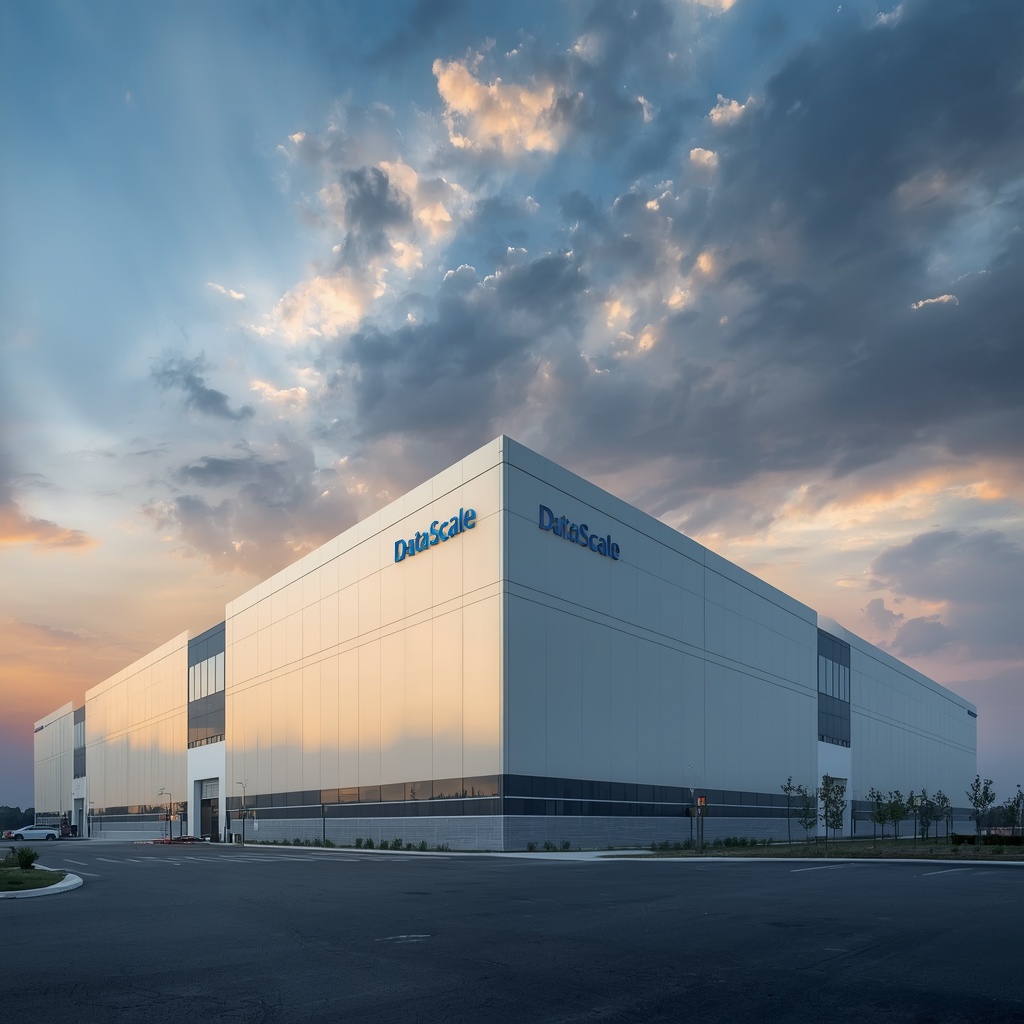
According to a report from real estate consultancy Anarock Capital titled Data Centre: The Blueprint of The Digital Fortress in India, India’s data centre footprint is set to rise fourfold, from 27 million square feet as of H1 2026 to 101 million square feet by 2030. In capacity terms, this development pipeline is expected to boost IT load from over 1.8 GW to more than 6.7 GW by the end of the decade.
The scale of capital driving this transformation is worth sitting with directly: investment commitments worth more than $300 billion are underpinning this pipeline. Major individual commitments include Google’s $15 billion pledge toward a facility in Visakhapatnam, Andhra Pradesh, and a nearly $1.7 billion commitment from a Colt DC and RMZ joint venture across Mumbai and Chennai. Reliance has also announced a 168 MW AI-enabled facility in Jamnagar leased to Meta as its first built-to-suit center in India.
Shobhit Agarwal, Chief Executive Officer of Anarock Capital, highlighted the multi-faceted demand thesis driving the sector:
“The massive scale of investment commitments demonstrates the long-term confidence surrounding the sector, and its strategic importance to the digital economy. It also reflects the convergence of multiple structural demand drivers – including cloud adoption, rising data consumption, artificial intelligence (AI), digital payments, enterprise digitalisation and the growing need for secure and resilient digital infrastructure.”— Shobhit Agarwal, CEO of Anarock Capital
Regulatory frameworks are proving equally decisive. Under India’s Digital Personal Data Protection Act (DPDPA), 2023, binding legal mandates require personal data to be stored and processed domestically across key categories. As the Anarock report states, this single regulation forces multinationals operating in India to establish onshore data infrastructure, making colocation demand partially non-discretionary.
Policy tailwinds and structural shifts shaping the buildout include:
-
Favourable Capital Access: Infrastructure status enables access to long-tenure financing (up to 12 years) at rates of 9.5%–10.5%.
-
Global Competitiveness: A proposed tax holiday through 2047 aims to position India against regional hubs like Singapore and Malaysia.
-
Colocation Dominance: Third-party colocation accounts for 55% of infrastructure and 72% of total IT capacity mix, with hyperscale facilities making up 28% and enterprise-owned centres just 12%.
-
Geographic Diversification: While Mumbai-MMR (812 MW operational across 54 DCs) and Chennai (298 MW across 25 DCs) dominate, secondary hubs are expanding rapidly:
-
Hyderabad: Projected to add 600–700 MW by 2030 (up from 178 MW today), supported by NTT Global DC (~400 MW) and Tillman Global Holdings.
-
Delhi-NCR: Expected to add 500–600 MW by 2030 (up from 179 MW today), with ongoing developments including Yotta Infrastructure (90 MW in Greater Noida) and Anant Raj (targeting 357 MW by FY32 across Haryana).
-
-
Mainstream Developer Entry: Lodha Group has entered the sector with 400 acres of shovel-ready land in Palava, Dombivli, targeting ~1 GW of powered shell capacity with anchor operators AWS and STT Global Data Centres.
While other market projections offer narrower estimates—such as Colliers forecasting ~55 million square feet by 2030—the broader trajectory remains unambiguous. India’s data centre boom represents one of the country’s most capital-intensive real estate and infrastructure shifts, balancing rapid digital scaling against operational hurdles in land acquisition, high-speed fibre connectivity, cooling, and reliable renewable power.