

Zepto Slows Down Dark Store Expansion Strategy Amid Shrinking Cash Runway Concerns Ahead Of Huge Initial Public Offering
As quick commerce giant Zepto prepares for its highly anticipated public market debut, the company has drastically reduced its rapid dark store expansion, shifting focus toward operational efficiency and cash conservation as runway estimates highlight the pressing need for capital.
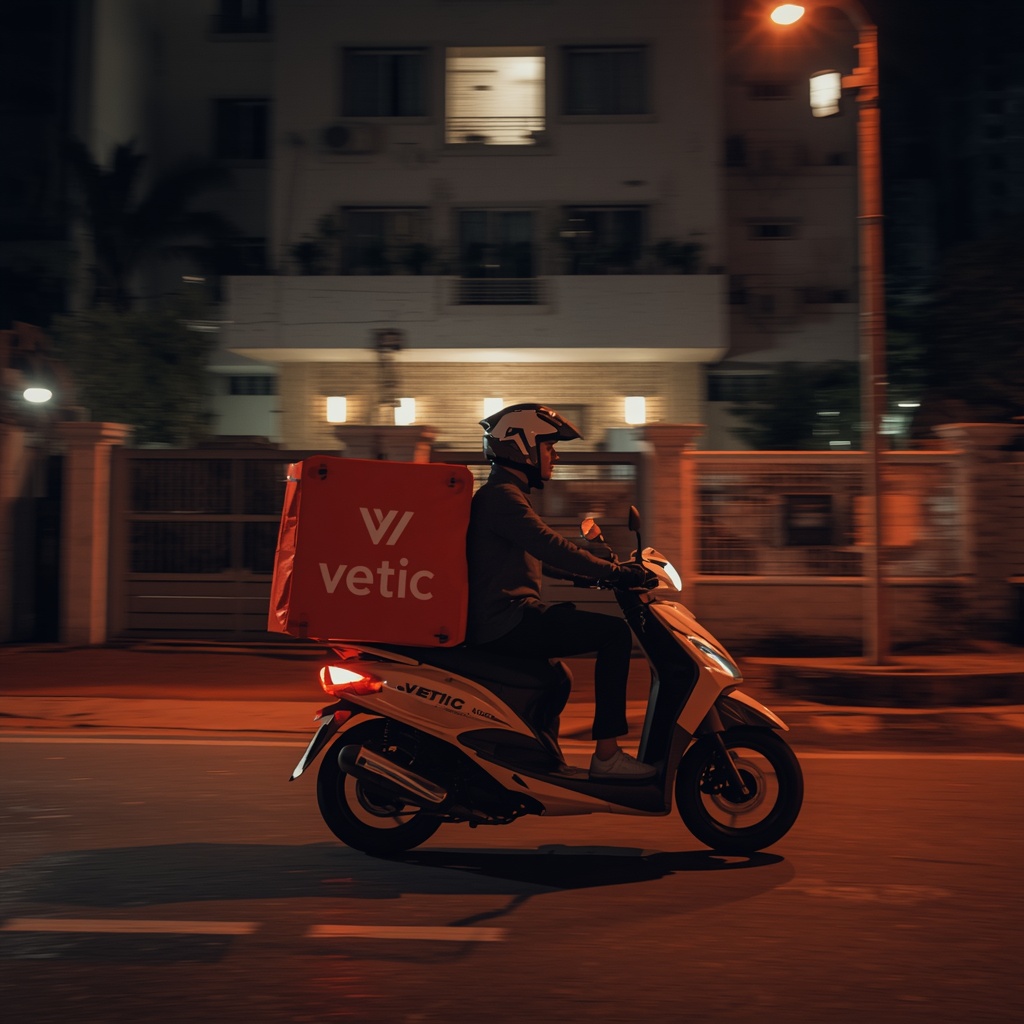
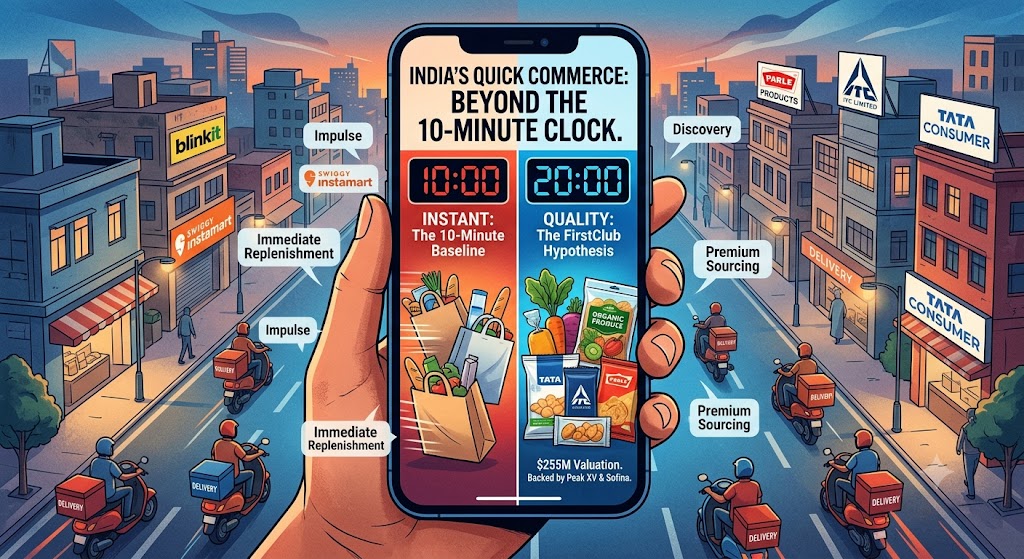
The race for dominance in the quick commerce sector has been defined by blistering speed, not just in delivery times, but in how fast companies can open new distribution hubs. However, as Zepto gears up for one of the most anticipated stock market debuts of the year, the company appears to be changing its strategy. The startup, famous for popularizing the ten minute grocery delivery model, is now hitting the brakes on its most significant growth engine, the rapid rollout of new dark stores. This cautious approach comes at a critical time when potential investors are meticulously examining the financial health and long term viability of the business ahead of its massive public listing.
The strategic shift is becoming evident as the company transitions from an aggressive expansion phase to a period heavily focused on operational efficiency. In the previous year, the strategy was clear, open as many locations as possible to capture market share across major cities. Now, with a substantial footprint already established, the focus has pivoted toward making those existing locations work harder and smarter. This transition is not entirely voluntary, as it aligns closely with the financial realities of running a business that burns through immense amounts of capital to sustain its operations and customer acquisition efforts. The management team is clearly aware that going public requires a more sustainable narrative than simply endless spending on physical infrastructure.
Digging into the details reveals the stark contrast in expansion rates. According to a recent analysis by Bank of America, Zepto added a mere 110 new dark stores during the financial year ending in March 2026. This brought their total network to 1,139 locations. To understand the magnitude of this slowdown, one must look at the preceding year, where the company aggressively launched 692 new stores. Meanwhile, their fierce rival Blinkit continued its relentless expansion, adding nearly a thousand new locations in the same period to reach over 2,200 stores. Interestingly, despite having a similar number of stores as competitor Instamart, Zepto managed to process a staggering 640 million orders compared to the 412 million of its rival, suggesting that their existing network is operating with remarkable productivity.
The underlying numbers highlight the financial pressures driving this strategic pivot. Financial reports indicate that Zepto incurred a massive loss of roughly 5,905 crore rupees in the recent financial year, despite experiencing a surge in overall revenue. While the company holds a closing cash balance of over 5,680 crore rupees, adjustments for substantial lease liabilities paint a tighter picture. Analysts estimate the net cash at around 2,970 crore rupees. Given their recent free cash outflow of over 800 crore rupees in the final quarter, market experts suggest the startup has roughly ten months of cash runway left at its current spending pace. This dwindling runway underscores exactly why the upcoming initial public offering, aiming for a fresh issue of over 8,010 crore rupees, is absolutely vital for their continued survival and growth.
Industry observers and financial experts have been vocal about this delicate balancing act. Market analysts point out that while the growth story of the company is undeniably impressive, the path to actual profitability remains the largest unresolved question for potential retail investors. Financial experts reviewing the draft prospectus have noted that the company heavily relies on management estimates for future deployments, warning that any failure to sustain historical growth rates could lead to continued, severe financial losses. Company insiders have also acknowledged these challenges in their regulatory filings, stating that their negative cash flows reflect the heavy investments required to scale supply chains and secure property leases, admitting there is no guarantee they will achieve profitability soon.
In conclusion, Zepto is navigating an incredibly complex transition from a high burn, venture backed startup to a publicly scrutinized corporation. Pausing their aggressive dark store expansion is a pragmatic and necessary step to conserve vital cash as their runway shortens. While their impressive order volumes prove they have built a highly engaged user base, the sheer scale of their ongoing financial losses cannot be ignored. The upcoming stock market listing will serve as the ultimate test of whether public investors believe the company can successfully pivot from rapid, costly expansion to sustainable, profitable growth. Ultimately, this move represents a maturing quick commerce sector where efficiency must finally catch up with raw ambition.