
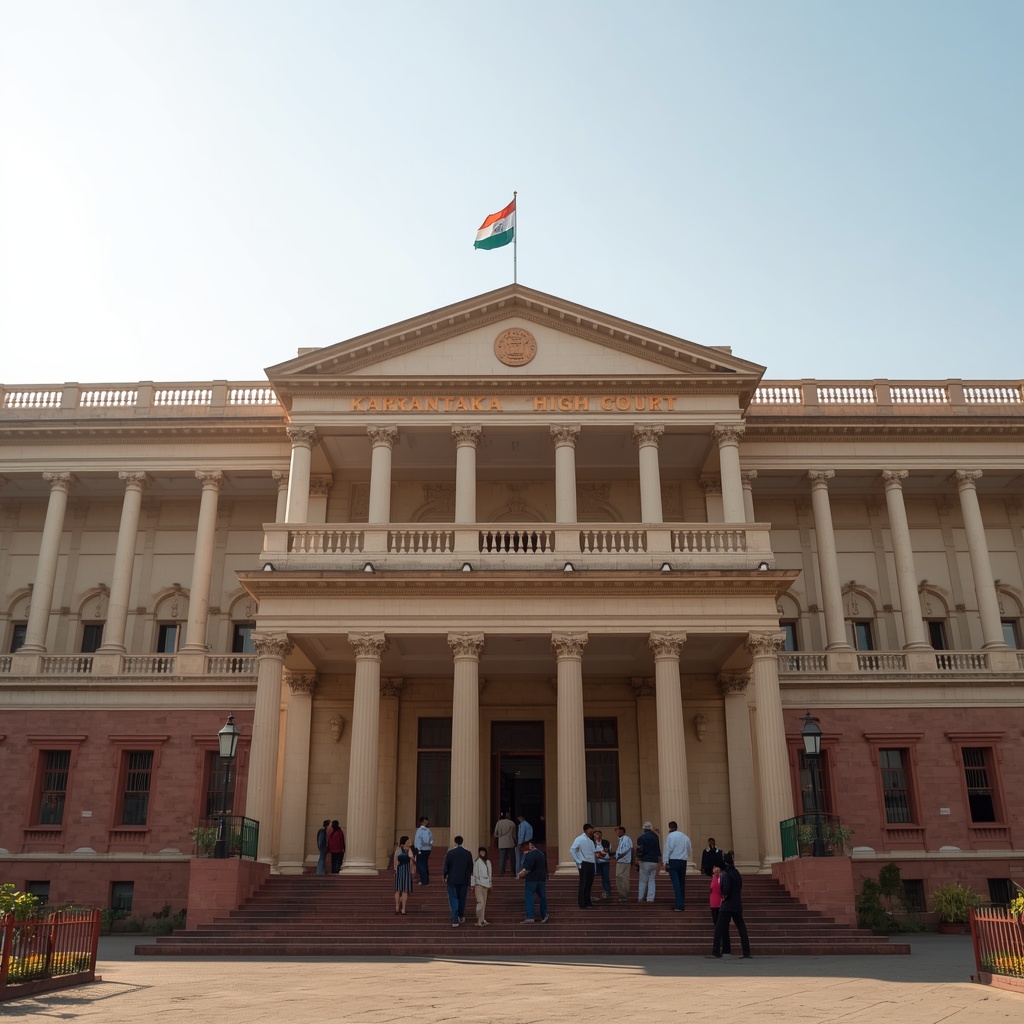
Karnataka HC Declares Gameskraft Founders’ ED Arrest Illegal: What the Ruling Means for India’s Online Gaming Industry
Three founders of one of India’s largest online gaming platforms walked free on June 16. The court ruled the Enforcement Directorate had no lawful basis to arrest them. The implications reach far beyond Gameskraft.
On the evening of June 16, 2026, Deepak Singh, Vikas Taneja and Prithviraj Singh, the founders of Gameskraft Technologies, walked out of prison after a Karnataka High Court judge declared their arrests unlawful and ordered their immediate release. They had been in custody since May, arrested by the Enforcement Directorate in Gurgaon and subsequently remanded to judicial custody in Bengaluru. Justice M. Nagaprasanna, in an unambiguous ruling, said the arrests were contrary to law and directed the prison authorities to release the petitioners forthwith.
The ruling is one of the most significant judicial interventions in India’s online gaming regulatory story to date, and its implications extend well beyond the three individuals who walked free. It raises fundamental questions about how the Enforcement Directorate has used the Prevention of Money Laundering Act in the gaming sector, whether arrests can be made when the underlying predicate offence has already been closed, and whether the PMLA’s procedural safeguards have been consistently applied in high-profile investigations.
The facts of the case are worth understanding in detail. Gameskraft Technologies, which operates real-money online gaming platforms including RummyCulture, had been under ED scrutiny for some time. The agency alleged that the company had laundered approximately ₹250 crore and had used deceptive practices to lure users into its real-money rummy and gaming platforms, manipulating gameplay and routing proceeds of crime through bogus business expenditure entries and cash transactions. Three FIRs were filed in Telangana in early 2026, and the ED registered an Enforcement Case Information Report on the basis of those underlying police complaints.
Then, on January 22, 2026, something significant happened. The Karnataka High Court stayed the ED’s investigation after a closure report, known as a B report, was filed in connection with the Bengaluru predicate offence that had formed the basis of an earlier ECIR registered in November 2025. The court observed at the time that once the underlying FIR was closed, the very foundation of the ECIR appeared to have disappeared. In plain terms: if the original criminal complaint on which the money laundering case was built no longer existed as an active proceeding, the money laundering investigation built on top of it was on deeply uncertain legal ground.
“The writ petitions are allowed. The arrests of the petitioners are declared to be contrary to law. In consequence thereof, the petitioners shall be set at liberty forthwith.”.
The founders argued before the court that despite this earlier stay, and despite the absence of fresh, tangible material that would justify revisiting the matter, the ED proceeded with searches on May 7 and subsequently arrested them. The agency secured transit remand from Gurgaon, brought the three founders to Bengaluru, and obtained custodial remand on two occasions before sending them to judicial custody. The founders’ legal team challenged the arrests through writ petitions, arguing that the ED had failed to comply with Section 19 of the PMLA, the provision that sets out the statutory safeguards governing the power of arrest under the Act, before depriving the petitioners of their liberty.
Justice Nagaprasanna agreed. The court found that the ED had not adhered to the mandatory requirements under Section 19, and that the arrests were consequently illegal. The registry was directed to communicate the order to prison authorities for immediate release.
It is important to state clearly what the ruling does and does not decide. The court has not ruled on the merits of the money laundering allegations against Gameskraft. It has not found the company innocent of the charges the ED has made. It has found, specifically, that the procedure by which the founders were arrested did not comply with the law. The ED may appeal. The investigation may continue through lawful means. The case is far from over.
But the ruling matters because of what it says about the limits of executive power in complex regulatory investigations. The PMLA is one of the most powerful investigative tools available to Indian enforcement agencies. It gives the ED broad powers to search, attach assets, arrest and prosecute. Courts have historically been reluctant to intervene in PMLA investigations, partly because the Act itself sets a high bar for bail and partly because the judiciary has generally deferred to the agency’s judgement about what constitutes a cognisable offence. When a High Court says, clearly and without qualification, that an arrest conducted under this Act was contrary to law, it sends a message that procedural safeguards cannot be treated as administrative formalities to be worked around after the fact.
For India’s online gaming industry, which has been navigating regulatory uncertainty for several years, the ruling offers some relief even as it does not resolve the underlying legal ambiguity about how real-money gaming platforms should be classified, taxed and regulated. The industry has long argued that arrests and asset attachments in the sector have sometimes preceded rather than followed the establishment of a clear legal basis. The Karnataka HC’s ruling gives that argument its most consequential judicial expression yet.
Whether this becomes a turning point in how enforcement agencies approach the gaming sector, or whether it is treated as a narrow procedural ruling with limited precedential value, will become clear in the weeks and months ahead. What is clear right now is that three founders who were in jail on Monday are free on Wednesday, because a court found that the law was not followed. In a country still working out how to govern a rapidly evolving digital economy, that is not a small thing.