
Bahula Naturals Is Building India’s First Community-Owned Desert Food Brand from the Thar
A former filmmaker turned the forgotten pastoral economy of the Thar Desert into a thriving food brand, bringing camel milk, cold-pressed oils, and artisan cheese to Indian households while pulling 4,000 herders back from the edge.
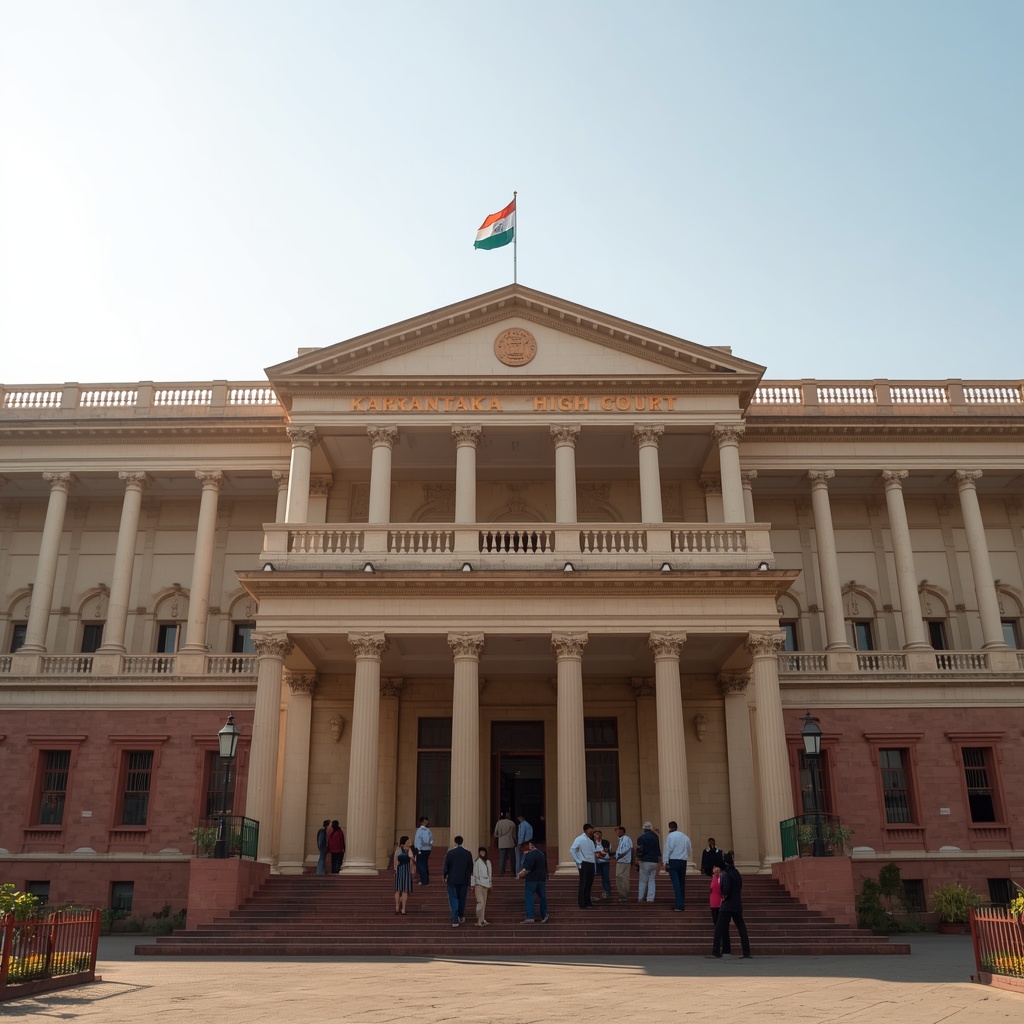
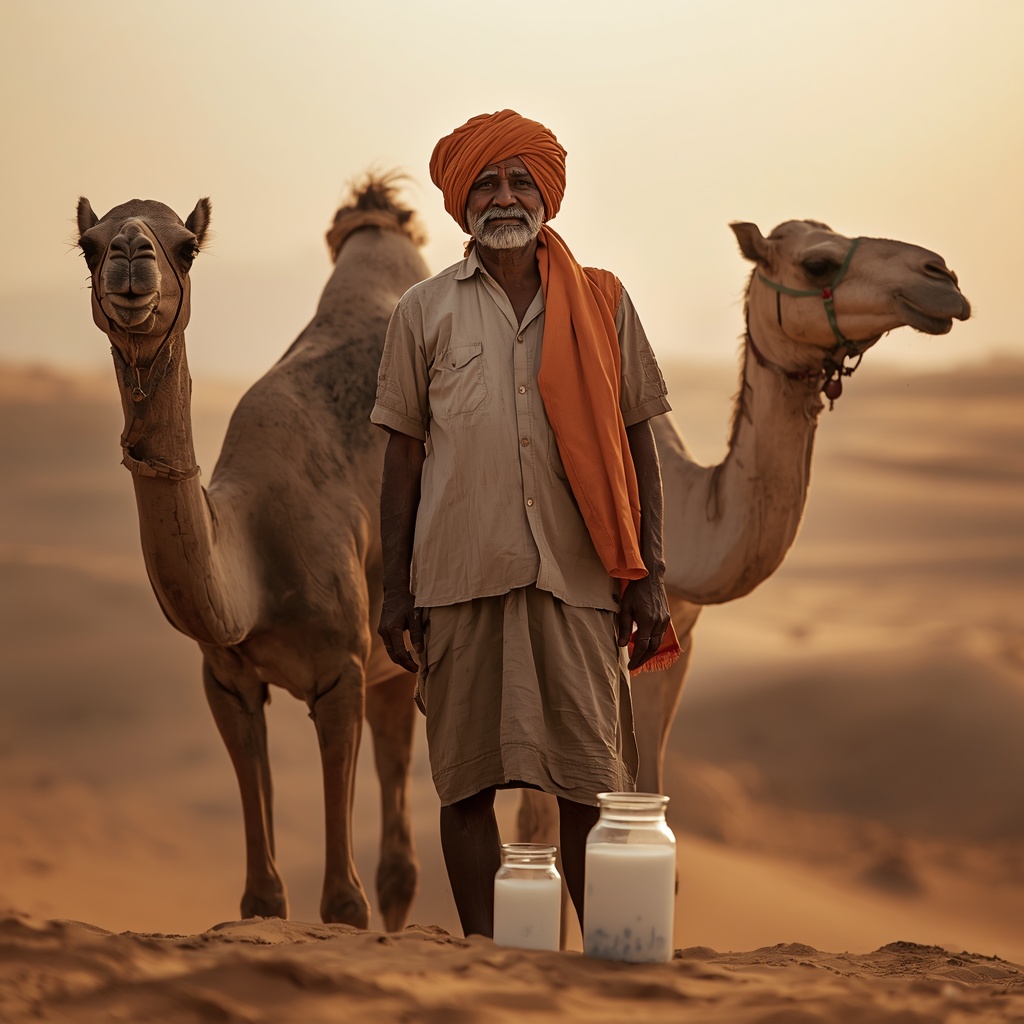
There is a particular kind of desperation that comes when your only livelihood is outlawed. Before 2015, camels were considered prized possessions in Rajasthan. But a 2015 Act prohibited camel slaughter and their export to other states, leaving generations of pastoralists who relied on camel herding for income struggling on their own.
The consequences were swift and devastating. Following the ban, communities could not sell their camels for transportation and tourism in other states, causing camel prices to dip significantly. Camels that used to sell for Rs 1 lakh were going for as low as Rs 4,000. These communities lost their main income source. Sometimes, they took the camels near railway tracks, hoping they would go hungry and maybe get hit by trains.
It was into this quiet emergency that Aakriti Srivastava walked, not as a policy official or an NGO worker, but as a filmmaker on a field assignment. After spending seven years in western Rajasthan, she launched Bahula Naturals in May 2022, together with Romal and Suraj Singh, who she had met during her research. The name itself carries intention. Bahula signifies the word plurality in Hindi, echoing the coming together of farmers and the collective desire to achieve more through sustainable farming and dairying.
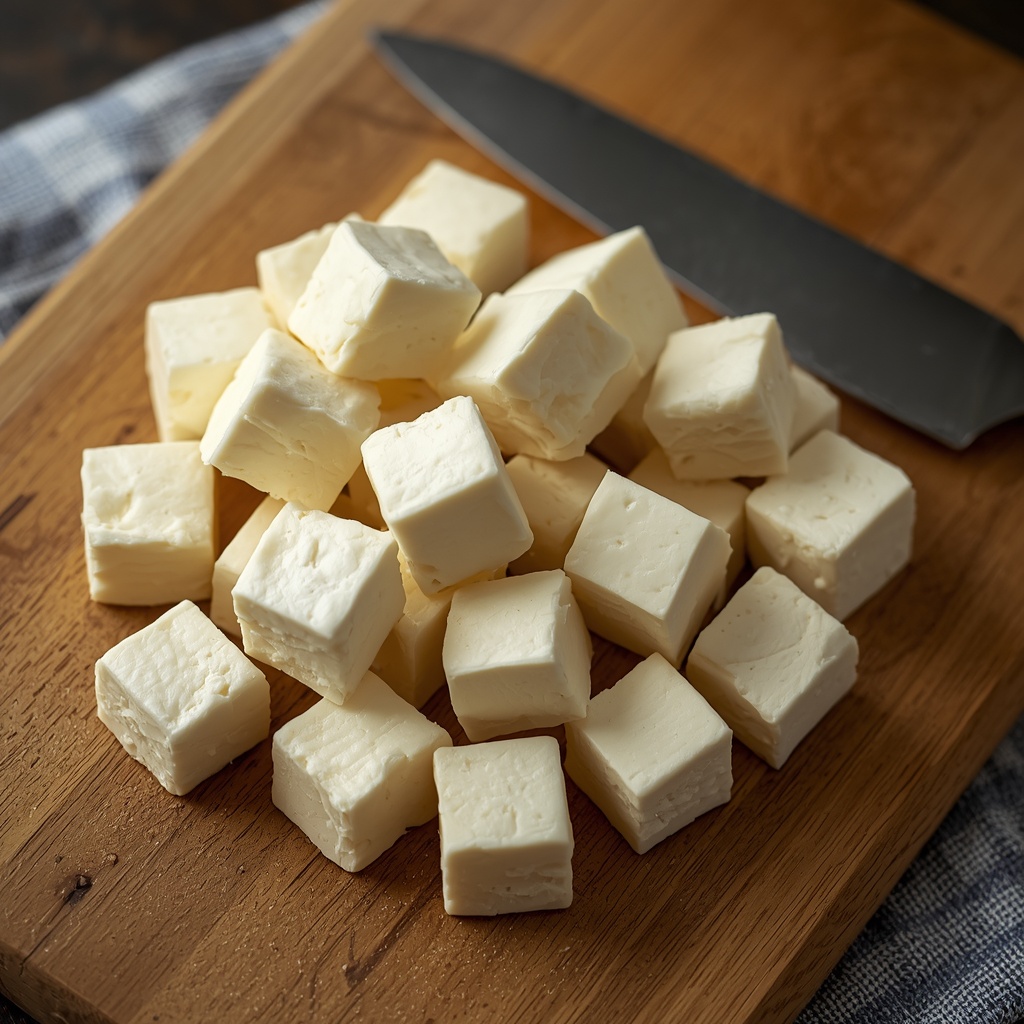
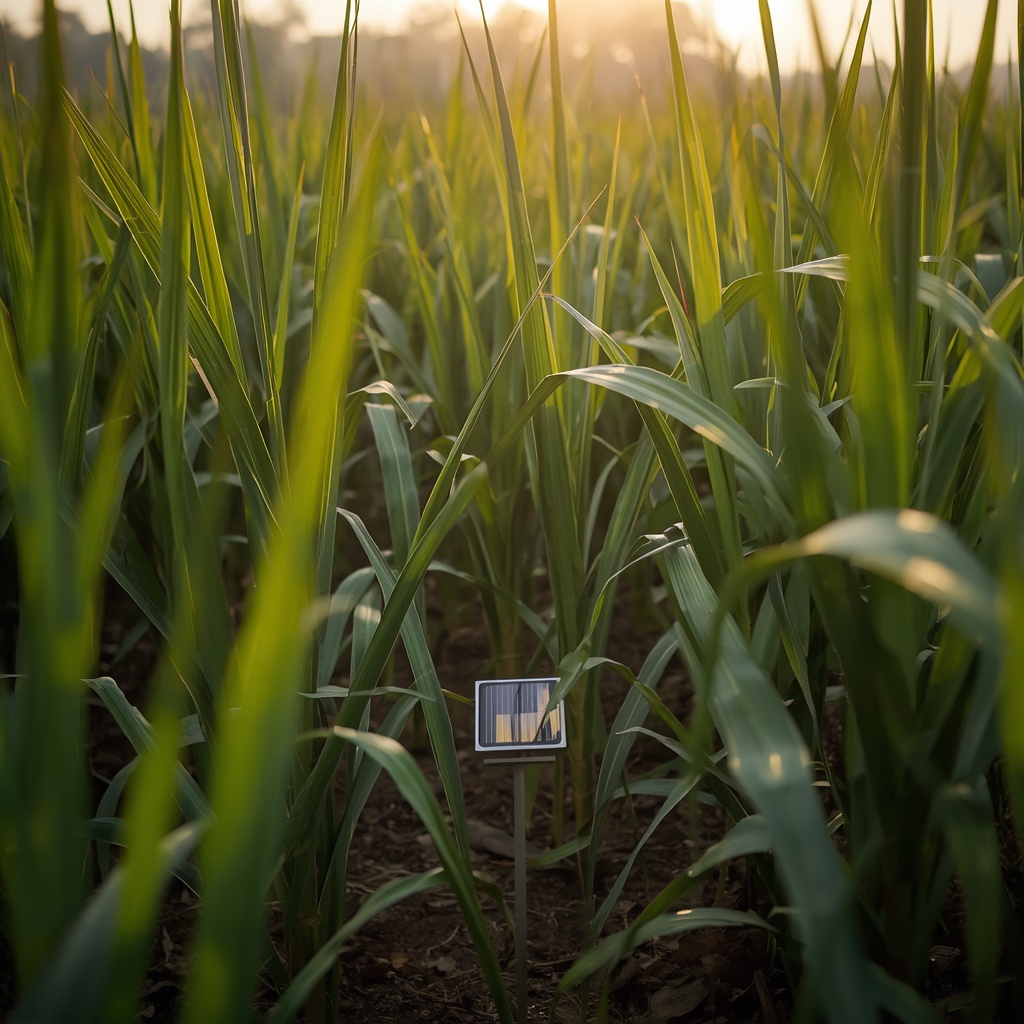
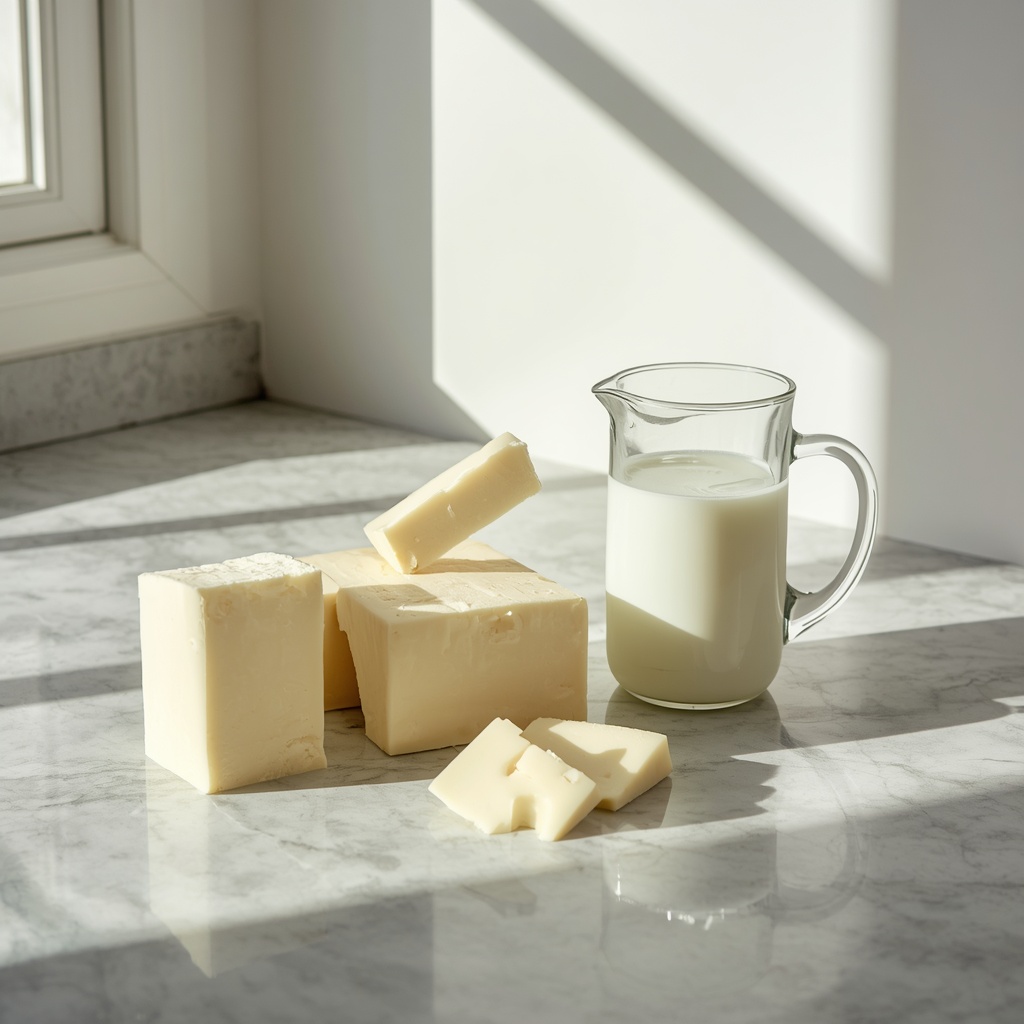
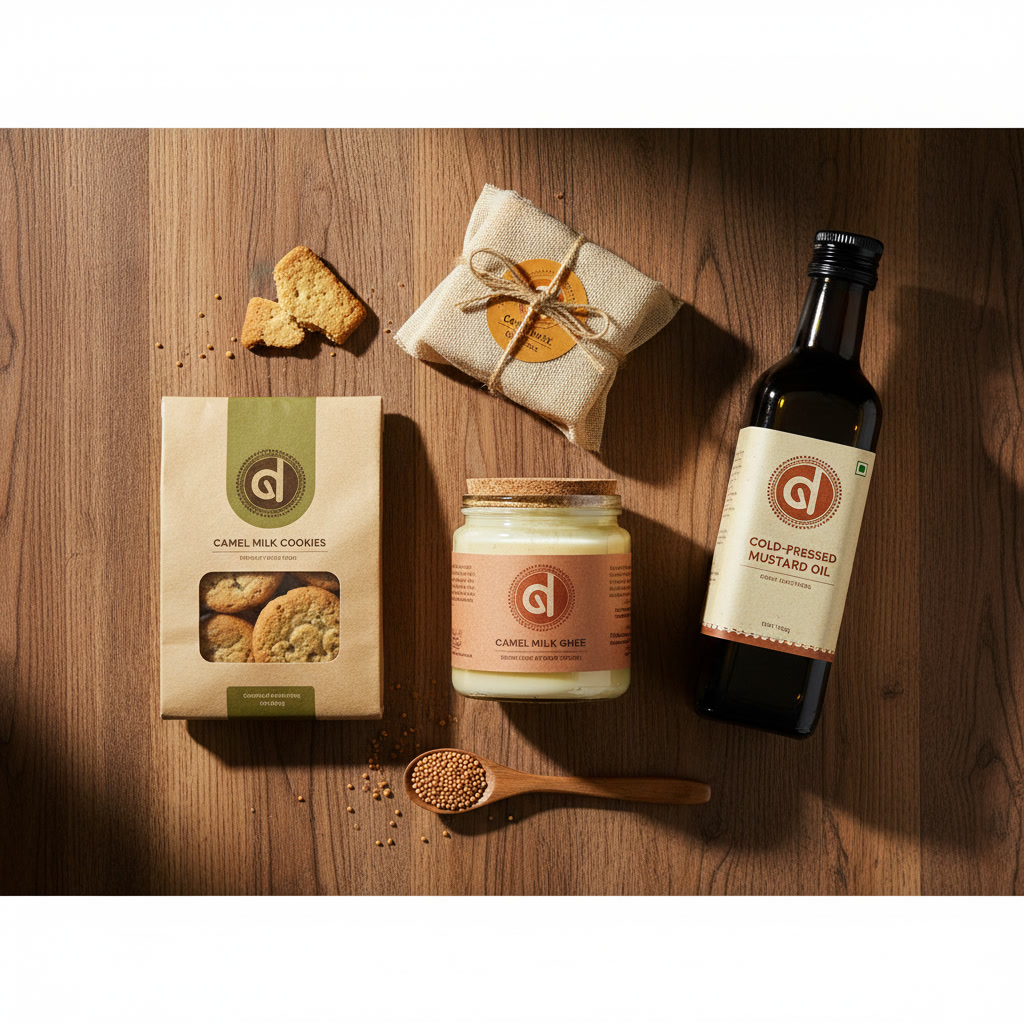
The product range they built tells the story of a desert ecosystem that most of urban India had never thought to look at. Their offerings include cheeses, ghee, and cookies made from camel milk, ghee from cow milk, cold-pressed oils, black wheat flour, kasuri methi, and moringa powder. Bahula has also pioneered camel milk artisanal cheese in India, with all milk procurement and processing powered by renewable energy.
The company operates from Bajju in Bikaner district, sourcing all its raw materials from the desert region of western Rajasthan and manufacturing and packaging at their processing unit there. The path to this was not easy. Initially, local communities were apprehensive about creating a brand identity for foods from the desert. Gaining their trust took time. It involved understanding the community’s cyclical approach to farming, where soil, fodder for animals, and farming processes are not only reliant on each other but sustainable too. Once communities were open to the idea, the next step involved co-developing decentralised chilling and processing infrastructure.
Bahula has since partnered with Saras and Urmul Seemant Samiti in what the company describes as a first-of-its-kind public-private partnership to launch camel milk in Rajasthan. In a further signal of institutional support, Women on Wings entered a partnership with Bahula Naturals in June 2024 to co-create more employment opportunities for rural women.
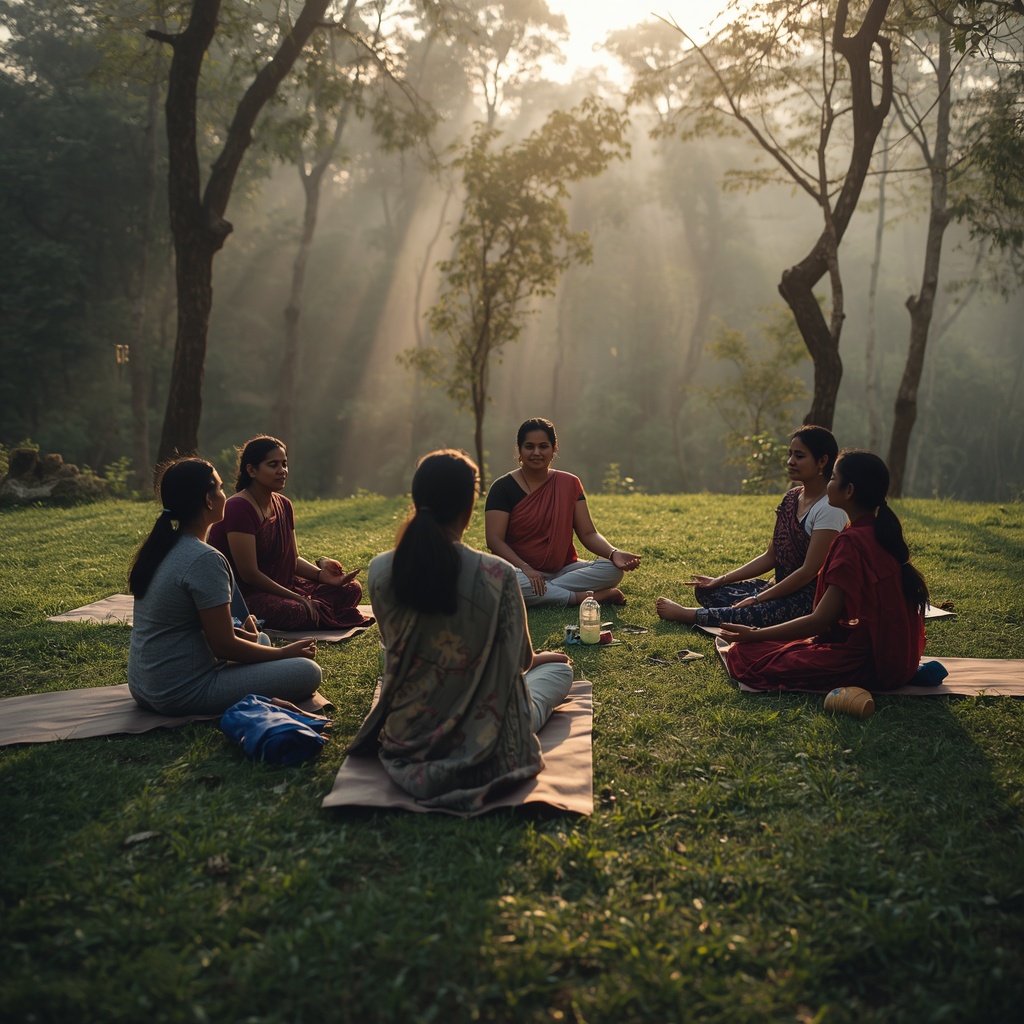
The scale of what Bahula has built in just three years is striking. The company is now enhancing income and living standards for a collective of over 4,000 rainfed farmers and indigenous cattle, camel, sheep, and goat milk producers, bringing agri-dairy products directly to consumers in what the company has termed the Bahulaverse.
What Bahula represents, ultimately, is a corrective. India’s policy apparatus created a problem for one of its most marginalised communities by banning camel trade without providing an alternative income mechanism. A privately built, community-owned brand stepped into that gap and turned a conservation challenge into a commercial opportunity. The test now is whether that model can scale without losing the community ownership and ecological ethics that give it its meaning. As urban India’s appetite for heritage and clean-label foods keeps growing, the Thar Desert may have found its most unlikely market moment.