

Pramatra Space Quantum Resilient Communication Security Technology
As quantum computers threaten to break existing encryption, Pramatra Space is developing crucial, future proof communication systems, focusing on space based quantum cryptography to secure vital data against upcoming cyber threats, ensuring global security in the quantum era.
The digital world is facing an unprecedented security challenge, and it isn’t coming from traditional hackers, but from the future of computing itself. Quantum computers, while promising massive leaps in problem solving, also threaten to easily break the encryption standards that currently protect everything from personal emails to national security secrets. It is a looming crisis, often referred to as “Y2Q,” and the race is on to develop systems that are resilient to this new kind of power. Pramatra Space, a deep tech startup, has emerged as a significant player in this critical arena, focusing on securing the future of communication.
The threat is real and pressing, many experts believe, because once powerful quantum computers become available, they will be able to factor large numbers effortlessly, the mathematical problem that underpins most modern public key encryption. This means that data intercepted today, even if encrypted, could be decrypted in the future. Pramatra Space is addressing this by leveraging the laws of quantum mechanics themselves, specifically through a technology known as Quantum Key Distribution uses entangled photons to transmit encryption keys in a way that is fundamentally secure, as any attempt to eavesdrop on the transmission would disturb the quantum state, alerting the sender and receiver.
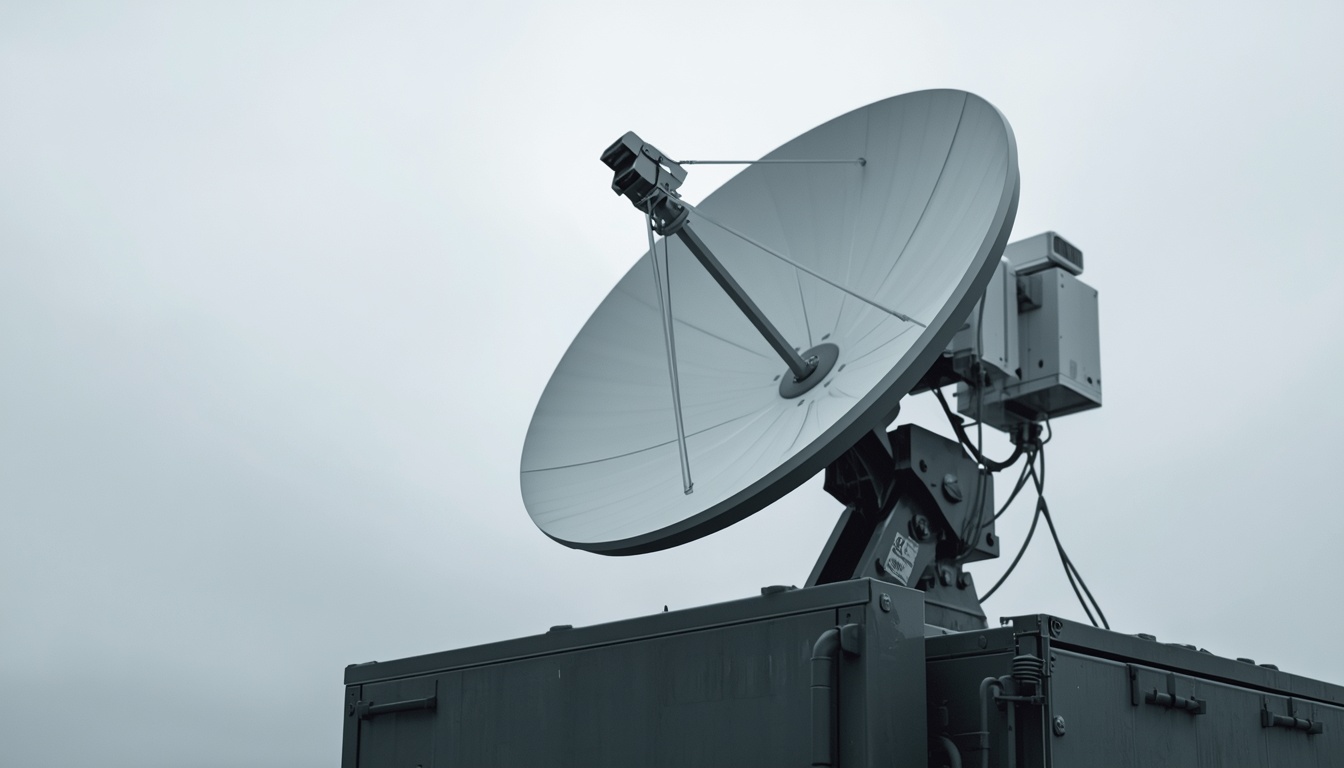
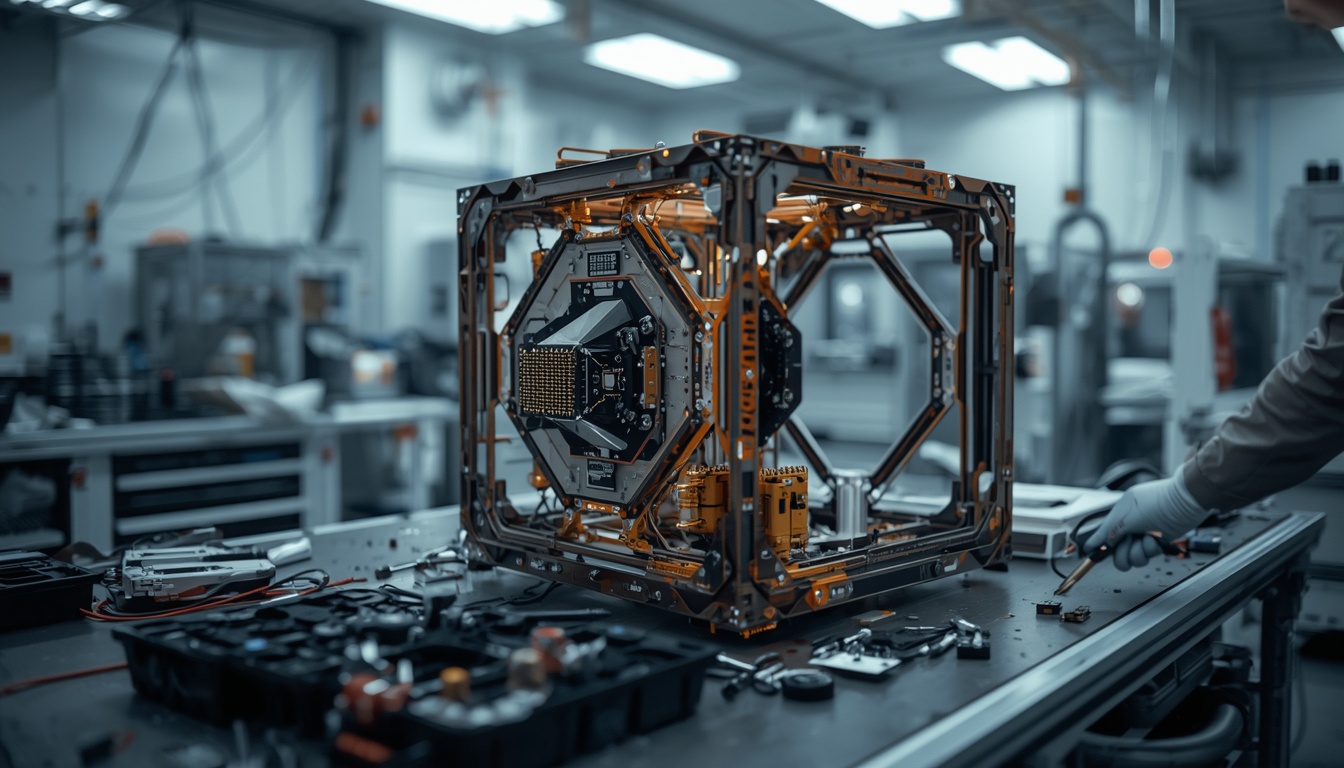
What makes Pramatra Space’s approach particularly noteworthy is its focus on space based deployment. Terrestrial QKD, which uses optical fibers, is limited by distance, as photons degrade over long spans. By sending quantum keys from satellites to ground stations, Pramatra Space aims to overcome these distance limitations, creating a truly global, quantum resilient communication network. Their mission is to build the necessary infrastructure, including specialized satellites and ground terminals, that can facilitate this secure key exchange across continents, offering a level of security that mathematical algorithms alone cannot provide.
The stakes in this race are incredibly high, both financially and strategically. A report from a leading technology research firm recently estimated that the global quantum cryptography market is projected to grow from less than one billion dollars today to over five billion dollars by 2030, reflecting the urgency that organizations and governments feel. Furthermore, the number of quantum computing patent filings has skyrocketed globally, indicating that the technology is advancing rapidly, shortening the timeline for when existing encryption will be obsolete. This makes proactive development of resilient systems crucial.
Industry analysts emphasize the necessity of this work. A senior technology fellow at a major defense think tank stated that developing quantum resilient communication is not just a technological challenge, it is a prerequisite for national security in the digital age, and initiatives like Pramatra Space’s are vital steps forward. A company spokesperson for Pramatra Space has previously highlighted the importance of their space based approach, noting that their mission is to ensure that the critical communication channels of tomorrow, including government and enterprise data, remain secure regardless of advances in computing power.
In conclusion, while the threat of quantum computing breaking current encryption is significant, the innovative solutions being developed by companies like Pramatra Space offer a promising path forward. By combining deep technology with the unique advantages of space infrastructure, they are working to build a security framework that is inherently future proof. This is not just about protecting data today, but about safeguarding the integrity and privacy of global communication systems for decades to come, ensuring that as computing advances, our security measures advance alongside it, creating a robust, resilient digital future.