

Bengaluru Leads India’s U30 Startup List With 21 Founders As DeepTech And Hardware Ventures Surge Nationally
Twenty one founders under thirty now call Bengaluru home on the Avendus Wealth, Hurun U30 List 2026, a threefold jump from last year that signals a deeper shift toward deep tech and hardware building across India’s startup capital.
Highlights:
- Bengaluru now has 21 founders on the Avendus Wealth, Hurun India U30 List 2026, up from just seven last year
- The city also hosts 18 of the 102 listed companies, the highest number of any Indian city
- One in four entrants nationally comes from deep tech or hard tech sectors like AI, EVs, space tech, and defence
- Listed companies are collectively valued at nearly 2.9 lakh crore rupees and employ more than 75000 people
- Zepto and BharatPe lead the pack, with the top ten companies raising over 3.5 billion dollars combined
Every year, a list like this tries to answer a simple question. Who are the young people actually building things in India right now, not just talking about building them. The Avendus Wealth, Hurun India U30 List 2026 answered that question this year with a number that surprised even people who track the startup ecosystem closely. Bengaluru placed 21 founders under the age of thirty on the list, nearly three times its tally of seven from the previous edition. It is a jump that says less about a single lucky year and more about a city quietly rearranging its own identity.
The list itself recognises 102 young leaders across India, all building or scaling companies with real economic weight behind them. To make the cut, first generation entrepreneurs needed to have built ventures worth at least 25 million dollars, while next generation leaders running family businesses needed valuations of 50 million dollars or more. This is not a list of promising ideas. It is a list of ventures that have already cleared a fairly high bar of scale and credibility. Karnataka’s IT minister Priyank Kharge shared the numbers publicly, framing them as proof that the state’s bet on innovation infrastructure is paying off, and pointing to continued investment in deep tech, research, and hardware as the next phase of that bet.
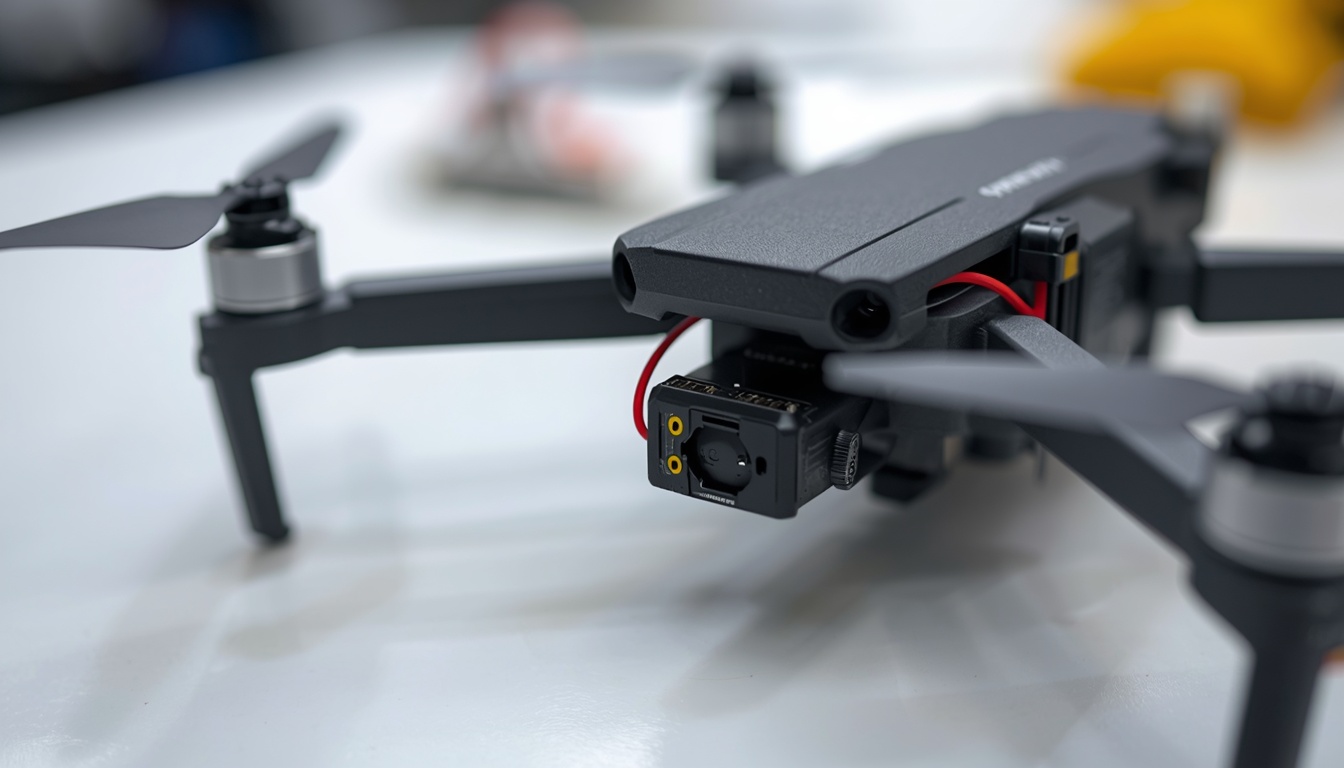
What makes this year’s data more interesting than a simple city ranking is the texture underneath it. Bengaluru is home to 18 of the 102 companies on the list, more than any other Indian city, ahead of Mumbai’s nine and Gurugram’s eight. But the composition of who is building what has shifted noticeably. Deep tech and hard tech founders now make up roughly one in four entrants nationally, a total of 27 founders working in fields like artificial intelligence, electric vehicles, space technology, defence, and cybersecurity. Artificial intelligence and machine learning alone accounts for eight of these founders, nearly double last year’s number, while the automobile and auto components category has also doubled to seven entrants, almost all of them focused on electric vehicles or the components that go into them. Space technology features six founders, spread across companies like Pixxel, Digantara, and Apolink. Aerospace and defence contributes four founders, many of them working on drone technology for logistics, surveillance, and defence applications. This is not the software first, app heavy generation that defined an earlier decade of Indian entrepreneurship. This is a generation choosing categories that demand years of engineering discipline and far more patient capital.
The scale of what these companies represent together is considerable. The cumulative valuation of businesses on the list stands at close to 2.9 lakh crore rupees, and collectively they employ more than 75000 people across the country. The top ten companies led by U30 entrepreneurs have raised more than 3.5 billion dollars in funding, with Zepto and BharatPe sitting at the top of that group. Zepto alone has raised roughly 2.3 billion dollars to date, making it the most funded startup in this year’s cohort, while BharatPe has raised around 650 million dollars. These are not small numbers for founders who, on average, are just 28 years old. In fact, 84 percent of this year’s entrants are first generation entrepreneurs, meaning they are not inheriting family wealth or infrastructure but building from scratch. The youngest entrants this year are just 20 years old, Onkar Singh Batra of the space tech company Apolink and Dhravya Shah of the AI company Supermemory, both of whom are already running ventures serious enough to make this list.
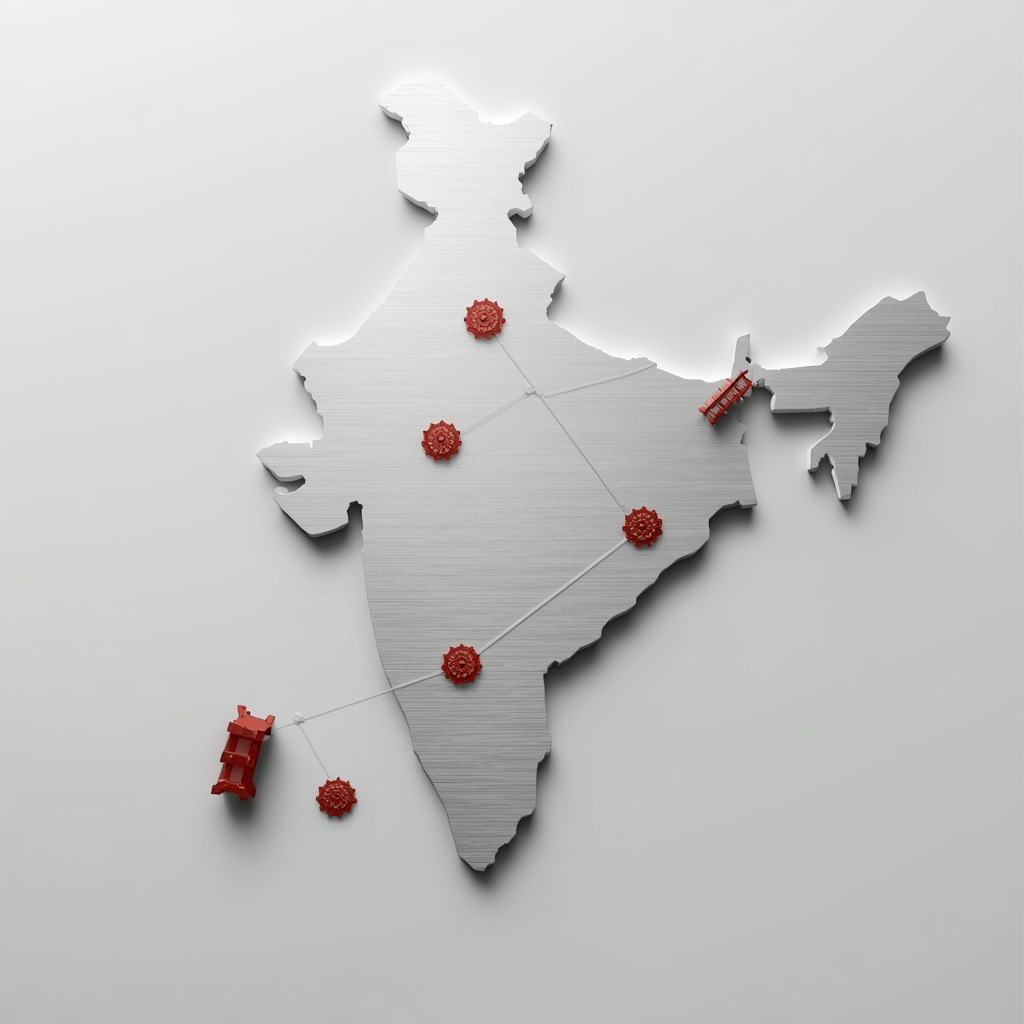
There is also a geographic story hiding inside the city story. While Bengaluru’s dominance is the headline, 40 of the 102 founders on the list come from non metro cities, a signal that India’s entrepreneurial energy is not purely concentrated in its usual handful of urban hubs. Karnataka as a state ranks first in state level rankings with 22 entrants, adding 12 new names this year, which suggests the state’s advantage extends slightly beyond Bengaluru’s city limits into its wider ecosystem of research institutions, incubators, and policy support.
Industry voices framed the shift in similar language. Apurva Sahijwani, who leads Avendus Wealth Management, pointed to the diversity of entrepreneurial journeys represented this year, noting that while founders are coming from a wider spread of geographies, Bengaluru has still strengthened its position with representation increasing threefold over the past year. Anas Rahman Junaid, who leads research at Hurun India, described this year’s cohort as one that is developing technologies capable of shaping how entire industries evolve, singling out companies working on AI tools, thought dictation software, and financial data processing as examples of founders addressing genuinely new categories of problems rather than repackaging existing ones. Kharge, for his part, kept his comments closer to policy, reaffirming Karnataka’s intention to keep building infrastructure and research capacity specifically for deep tech, AI, and hardware innovation, describing the state’s goal as making Karnataka the best place for ambitious founders to build globally competitive companies.
Numbers like these deserve a measure of caution alongside the celebration. A list built around valuation thresholds naturally favours companies that have already found investor enthusiasm, which is not always the same thing as companies that have found durable revenue or profitability. The shift toward deep tech and hardware is genuinely significant, since these are categories that take longer to mature and require far more capital discipline than a typical software product, but they also carry higher execution risk and longer paths to any real return. A doubling in AI and EV founders this year says more about where venture capital enthusiasm is currently flowing than it necessarily says about which of these companies will still exist in five years. It is also worth remembering that a list weighted toward founders who have already raised significant funding will always underrepresent the far larger number of early stage founders, particularly in smaller cities, who have not yet reached the valuation thresholds needed to be counted here.
Still, taken as a snapshot rather than a verdict, the data tells a coherent story about where Indian entrepreneurship under thirty is heading. Bengaluru’s tripling of founders is a real and measurable shift, not a statistical blip, and the broader move toward engineering heavy sectors like space, defence, and electric vehicles suggests a generation of builders willing to take on harder, slower problems than the ones their predecessors chased a decade ago. Whether that ambition converts into durable companies, rather than simply well funded ones, is a question this list cannot answer on its own, and one that only the next few editions of it will begin to settle.